
America’s Iconic Burger Recipes Through the Decades
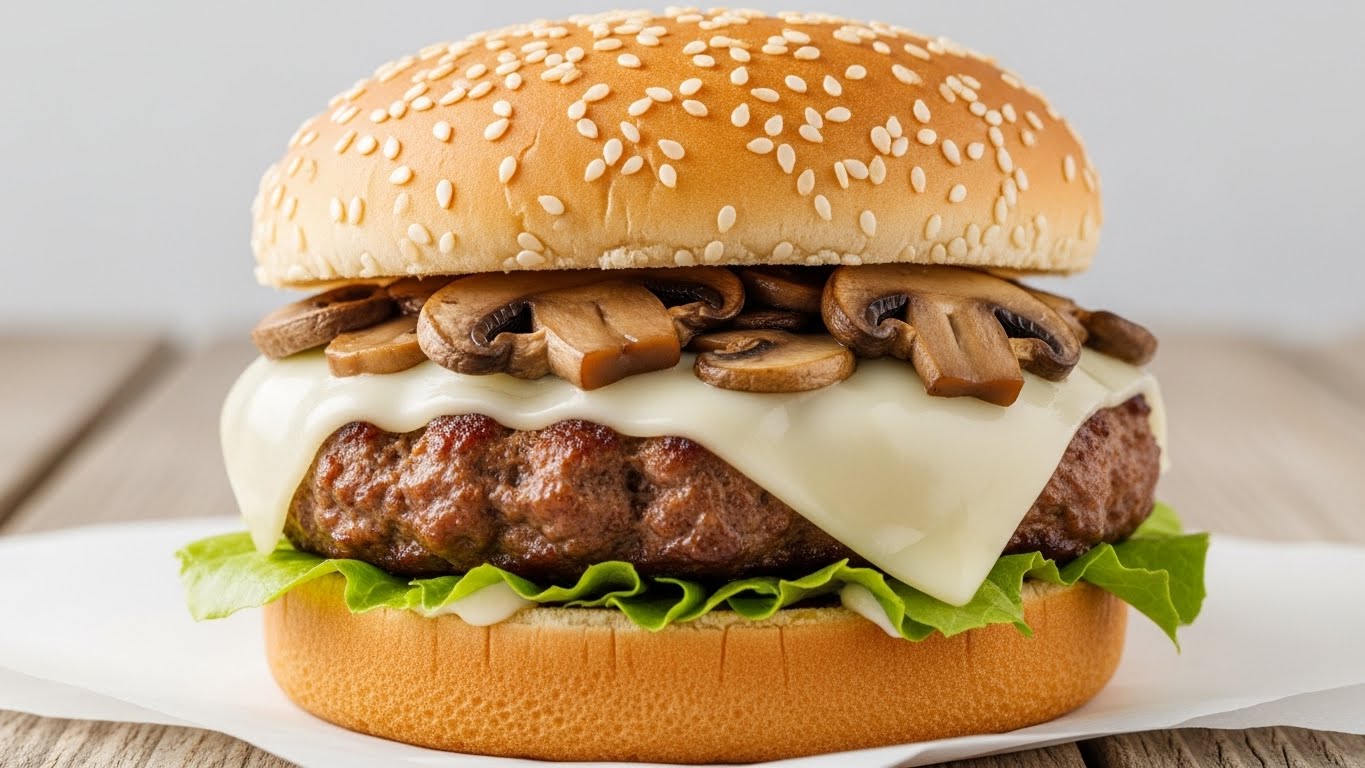
Ask any American what defines their food culture and the burger comes up fast. It is more than a quick bite. It is a symbol of innovation, convenience, and indulgence, standing proudly beside Italy’s Margherita pizza and France’s croissant. Over the past century the burger has changed in form and flavor, yet it never lost its place in our hearts.
It began as an affordable meal for factory workers and fairgoers, then grew into the centerpiece of drive-ins, fine dining rooms, and backyard cookouts. Every decade left its own mark on the burger, shaped by how America lived, worked, and ate. Let us walk through that story, decade by decade.
A Brief History of the Burger
The roots of the hamburger trace back to the Hamburg steak, a dish brought by German immigrants in the 19th century. This seasoned, minced beef patty was often served with onions and bread, but it was not yet a sandwich.
The transformation happened in America, when innovators began serving the beef patty between slices of bread or inside a bun, making it portable and perfect for factory workers and fairgoers. By the early 20th century, the hamburger had gained popularity as affordable and filling street food.
In 1921, White Castle revolutionized the concept by introducing small, standardized square burgers called “sliders.” This was America’s first fast-food chain, paving the way for McDonald’s, Burger King, and countless others. From that moment, the burger was no longer just food. It was a phenomenon.
Key Elements of a Classic American Burger
While styles and recipes vary, the DNA of the American burger has stayed surprisingly consistent. Its magic lies in four simple elements:
- The Patty: Traditionally made from ground beef, though modern options include turkey, chicken, lamb, and plant-based alternatives.
- The Bun: Soft, slightly sweet, often toasted. Variations include sesame seed buns, brioche, and even lettuce wraps in low-carb trends.
- The Toppings: Classic layers of lettuce, tomato, onions, and pickles remain timeless, but modern burgers push the limits with avocado, fried eggs, or exotic cheeses.
- The Condiments: Ketchup, mustard, and mayonnaise form the holy trinity, though barbecue sauce, aioli, and sriracha have added flair in recent decades.
These simple building blocks allow endless creativity while preserving the essence of the burger: hearty, flavorful, and satisfying. They also pair beautifully with classic sides like crispy onion rings made at home.
The Burger Through the Decades
The story of the American burger is also the story of American society. Here is how each decade shaped this culinary icon:
1920s: The White Castle Era
- White Castle introduced the slider in 1921: a small, square, affordable burger that could be mass-produced.
- The chain focused on cleanliness and consistency, helping burgers shed their reputation as “cheap street food.”
- Burgers became associated with reliability and modernity, marking the start of America’s fast-food industry.
1950s: The Drive-In Cheeseburger
- The post-war boom brought prosperity and car culture. Drive-ins and diners became popular hangouts.
- Cheeseburgers dominated menus, each one a juicy beef patty topped with melted American cheese, lettuce, tomato, pickles, and onions.
- Burgers were no longer just cheap meals; they became symbols of youth, fun, and the “American Dream.”
1960s: The Rise of the Whopper
- Burger King’s Whopper (introduced in 1957) gained national fame in the 1960s.
- Larger patties and flame-grilled techniques reflected America’s appetite for bolder, bigger flavors.
- Burgers became a canvas for marketing wars between fast-food giants.
1980s: Big Mac and Indulgence
- McDonald’s Big Mac became a global icon, featuring two patties, three buns, cheese, pickles, onions, and “special sauce.”
- The decade was about excess: bigger portions, extra cheese, and double-stacked burgers.
- Burgers mirrored consumer culture: indulgent, fast, and larger-than-life.
1990s: The Veggie Burger Emerges
- Health consciousness rose, and vegetarian alternatives entered mainstream menus.
- Veggie burgers, made with beans, grains, or soy, provided meat-free options for a growing audience.
- The 1990s marked the first significant shift toward inclusivity in burger culture.
2000s: The Gourmet Burger Revolution
- Upscale restaurants began experimenting with gourmet burgers made from premium beef (like wagyu), artisanal buns, and unique toppings.
- Ingredients such as blue cheese, truffle oil, caramelized onions, and arugula became popular.
- Burgers went from cheap fast food to a dish worthy of fine dining.
2010s: Plant-Based Innovation
- Technology-driven food innovations like the Impossible Burger and Beyond Meat Burger took center stage.
- These plant-based options looked, cooked, and tasted like beef, appealing not only to vegetarians but also to environmentally conscious meat lovers.
- The decade cemented the burger as a platform for sustainability and innovation.
2020s: Fusion and Future Trends
- Today, burgers reflect global fusion, incorporating flavors like kimchi, sriracha, tzatziki, and curry.
- The push for sustainability has led to lab-grown meat, which could redefine the industry in coming years.
- Burgers keep evolving with technology, health concerns, and cultural diversity. For tested technique on grilling and smashing, see Serious Eats’ 10 tips for better burgers.
Burger Evolution at a Glance
To better visualize the transformation, here is a snapshot of iconic burgers through the decades:
| Decade | Iconic Burger Style | Key Trend |
|---|---|---|
| 1920s | White Castle Slider | First standardized fast food burger |
| 1950s | Drive-In Cheeseburger | Diner and car culture boom |
| 1960s | Whopper | Bigger, flame-grilled |
| 1980s | Big Mac | Multi-layer indulgence |
| 1990s | Veggie Burger | Health-conscious eating |
| 2000s | Gourmet Burgers | Premium and creative |
| 2010s | Impossible Burger | Plant-based revolution |
| 2020s | Fusion and Lab-Grown | Global flavors and sustainability |
Why the Burger Became an American Icon
The burger’s rise to cultural dominance is no accident. Several factors contributed to its status:
- Simplicity: A burger is easy to prepare, easy to eat, and endlessly customizable.
- Affordability: From the start, burgers provided filling meals at low cost.
- Adaptability: Whether in diners, drive-thrus, or gourmet restaurants, burgers fit any setting.
- Symbolism: Burgers embody values of convenience, innovation, and indulgence, all central to modern American culture.
Opportunities and Risks in the Burger World
Just like any industry, the burger world faces both opportunities and risks:
Opportunities
- Healthier Options: Expanding plant-based and low-carb alternatives.
- Global Influence: Fusion flavors attract adventurous eaters.
- Technology: Lab-grown meat and AI-driven food innovations offer new possibilities.
- Sustainability: Eco-friendly packaging and ethical sourcing align with consumer values.
Risks
- Health Concerns: Burgers are often linked to obesity and heart disease when consumed excessively.
- Environmental Impact: Beef production contributes heavily to carbon emissions.
- Over-Saturation: With so many burger chains, competition is fierce.
- Changing Preferences: Younger generations are moving toward healthier or alternative diets.
Final Thoughts
From the first White Castle slider to lab-grown patties, the American burger has traveled a long, flavorful road. Each decade tells a story not just about food, but about culture, society, and innovation.
What keeps the burger relevant is its adaptability. It can be simple or gourmet, meaty or plant-based, indulgent or health-conscious. In every form, it stays tied to American identity: a comfort food, a cultural marker, and a symbol of how we eat now.
Just as Italy treasures its pizza and France its croissants, America celebrates its burgers. Whether you bite into a backyard cheeseburger, a trendy plant-based patty, or a gourmet wagyu creation, you are tasting decades of history. For another iconic sandwich story, read our guide to Vietnamese banh mi at home, and finish the meal with one of our simple desserts made with 5 ingredients or fewer.
Frequently Asked Questions
Who invented the hamburger?
No single inventor is confirmed. Several Americans claim credit, including Louis Lassen of Louis’ Lunch in New Haven and the Menches brothers at an Ohio county fair. What is certain is that the sandwich form took shape in the United States in the late 1800s and early 1900s.
Why is it called a hamburger if it contains no ham?
The name comes from the Hamburg steak, named after the German city of Hamburg. German immigrants brought the seasoned minced beef dish to America, and the patty kept the name even after it moved into a bun.
What is the most popular burger style in America?
The classic cheeseburger remains the best seller across diners, drive-thrus, and backyard grills. The Big Mac is the most famous branded burger worldwide, while smash burgers have become the trendiest style in recent years.
Are plant-based burgers healthier than beef burgers?
Not automatically. Many plant-based patties match beef on calories, fat, and sodium, though they offer fiber and no cholesterol. If health is the goal, check the nutrition label and treat them as an indulgence, just like a regular burger.
About the Author
Luke is the home cook and writer behind Lumomint Foods. He spends his time testing comforting, practical recipes from around the world and writing them up in plain, easy language for everyday cooks.
2 thoughts on “America’s Iconic Burger Recipes Through the Decades”