
Perfecting the American Mac and Cheese Recipe
Introduction
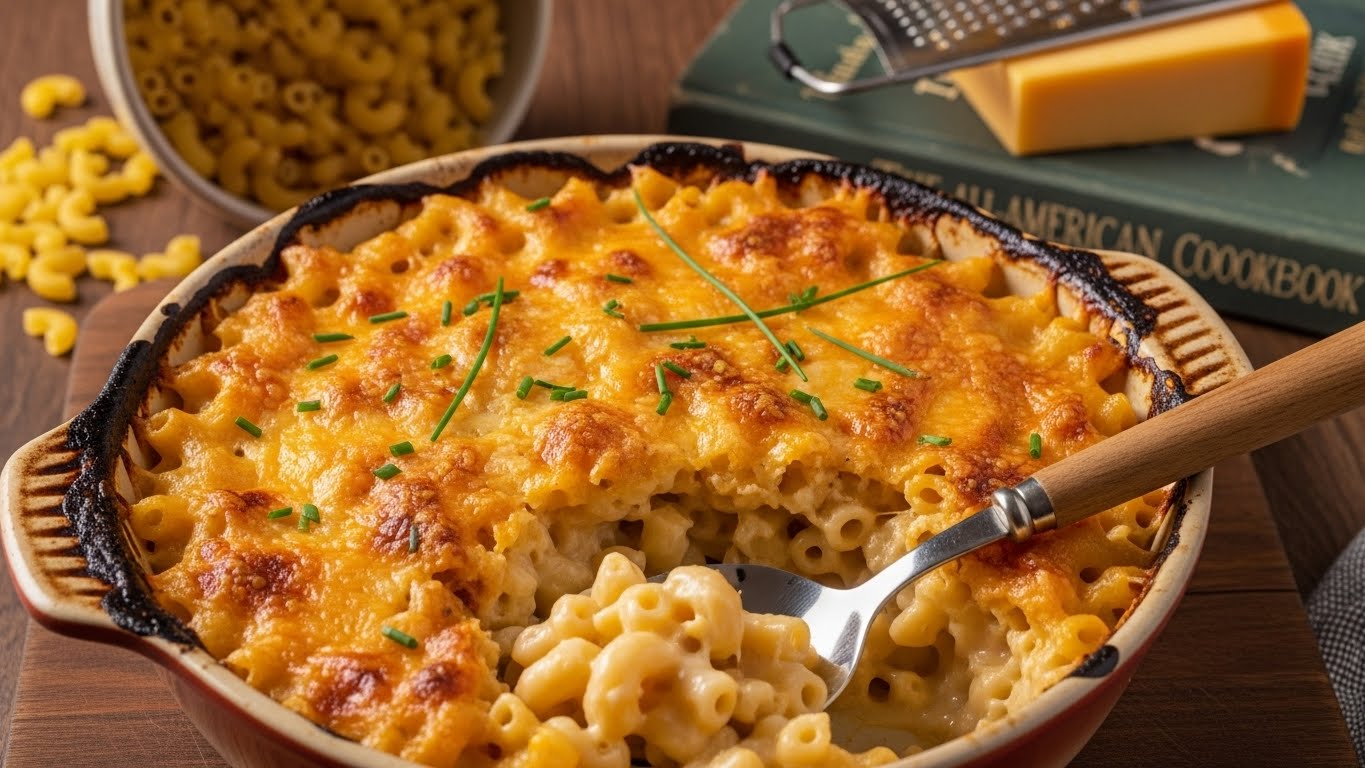
Few dishes are as comforting and universally loved in the United States as macaroni and cheese. Creamy, cheesy, and indulgent, this classic recipe is a staple of American comfort food. It’s served at family gatherings, holiday feasts, barbecues, school cafeterias, and even gourmet restaurants.
While mac and cheese seems simple, just pasta and cheese sauce, it’s a dish that offers endless possibilities for customization and refinement. From the boxed versions many Americans grew up with, to homemade baked recipes with rich béchamel and golden crusts, mac and cheese represents both nostalgia and culinary creativity.
This article explores the origins, essential elements, nutritional profile, cooking techniques, risks, and opportunities for innovation in making the perfect mac and cheese.
American Mac and Cheese
Ingredients
Equipment
Method
- Boil macaroni until al dente. Drain and set aside.
- In a saucepan, melt butter. Add flour and whisk for 1 to 2 minutes to remove raw taste.
- Gradually pour in milk, whisking to avoid lumps. Simmer until thickened.
- Remove from heat, stir in cheeses, mustard powder, paprika, salt, and pepper.
- Mix drained macaroni into sauce until evenly coated.
- Pour into a greased baking dish. Top with breadcrumbs mixed with melted butter. Bake at 350°F for 20 to 25 minutes until golden.
Notes
A Brief History of Mac and Cheese
The origins of mac and cheese stretch across continents:
Ancient Rome: Early pasta and cheese combinations date back to Roman cookbooks.
13th Century Italy: Recipes for baked pasta with cheese appeared in Italian culinary manuscripts.
England (18th Century): Pasta and cheese dishes spread to Europe’s upper classes.
United States (Thomas Jefferson): Jefferson tasted macaroni in Paris and Italy, then introduced it to America in the late 1700s. He even had a pasta machine imported to Virginia.
20th Century America: The dish surged in popularity with the invention of Kraft Macaroni & Cheese (1937), making it an affordable Depression-era meal.
Today: Mac and cheese is both a comfort food classic and a modern gourmet dish, often upgraded with truffle oil, lobster, or artisan cheeses.
Key Ingredients in a Classic Mac and Cheese
Pasta
Traditionally elbow macaroni, but shells, cavatappi, or penne can also be used.
Pasta should be cooked al dente to avoid sogginess after baking.
Cheese
- Cheddar is the classic choice: sharp, melty, and flavorful.
Other options: Gruyère, mozzarella, parmesan, gouda, or a blend for complexity.
Sauce Base
A béchamel sauce (butter, flour, and milk) creates a creamy foundation.
Cheese is melted into the sauce to form the classic Mornay sauce.
Toppings (Optional but Essential in Baked Versions)
Breadcrumbs, butter, or extra cheese on top for crunch and flavor.
Nutritional Profile of Mac and Cheese
| Nutrient (per 1-cup serving) | Amount | Benefit / Concern |
|---|---|---|
| Calories | ~300 to 500 | High energy meal |
| Protein | 12 to 18g | Builds and repairs muscles |
| Carbohydrates | 35 to 50g | Provides energy |
| Fat | 15 to 25g | Creaminess and flavor, but heavy |
| Sodium | 700 to 1000mg | High in boxed versions |
| Calcium | High | From milk and cheese |
| Fiber | 2 to 3g | From pasta |
Healthier versions can be made with whole wheat pasta, reduced-fat cheese, or added vegetables.
The Science of Perfect Mac and Cheese
Making perfect mac and cheese is about understanding culinary science:
Emulsification: The flour-butter roux binds fat and water, creating a creamy sauce.
Cheese Melting Point: Low-moisture cheeses like cheddar melt smoothly, while high-moisture cheeses (like mozzarella) stretch. A blend ensures both creaminess and flavor.
Pasta Starch: Cooking pasta al dente prevents over-softening when baked.
Browning Reaction: Baking creates a golden crust via the Maillard reaction, adding nutty depth.
Opportunities and Risks in Mac and Cheese
| Opportunities | Risks |
|---|---|
| Use gourmet cheeses (Gruyère, brie, blue cheese) for richer flavor. | Overheating cheese causes grainy or oily sauce. |
| Add proteins like lobster, bacon, chicken, or pulled pork. | Undercooked roux → raw flour taste. |
| Make vegetarian versions with broccoli, spinach, or cauliflower. | Overbaking → dry, clumpy pasta. |
| Create vegan mac with cashew or nutritional yeast sauces. | Too much salt from processed cheese. |
| Experiment with toppings (panko, herbs, hot sauce drizzle). | Boxed versions may lack nutrition. |
Graph: Mac and Cheese Popularity in America (Google Trends Index)
1960s: Popular as a homemade baked casserole.
- 1980s to 2000s: Boxed mac and cheese becomes a quick family staple.
- 2010s to 2025: Rise of gourmet mac in restaurants, food trucks, and social media.
Step-by-Step Recipe: Perfect American Mac and Cheese
Ingredients (Serves 6 to 8)
1 lb elbow macaroni
4 tbsp butter
4 tbsp flour
4 cups milk (whole recommended)
3 cups shredded sharp cheddar cheese
1 cup shredded Gruyère (optional, for depth)
½ tsp mustard powder (for flavor)
½ tsp paprika (optional)
Salt and pepper to taste
1 cup breadcrumbs (for topping)
2 tbsp melted butter (for topping)
Instructions
Cook Pasta
Boil macaroni until al dente. Drain and set aside.
Make the Roux
- In a saucepan, melt butter. Add flour and whisk for 1 to 2 minutes to remove raw taste.
Add Milk
Gradually pour in milk, whisking to avoid lumps. Simmer until thickened.
Make Cheese Sauce
Remove from heat, stir in cheeses, mustard powder, paprika, salt, and pepper.
Combine Pasta & Sauce
Mix drained macaroni into sauce until evenly coated.
Bake (Optional)
Pour into a greased baking dish. Top with breadcrumbs mixed with melted butter.
- Bake at 180°C (350°F) for 20 to 25 minutes until golden.
Variations of Mac and Cheese
- Southern Baked Mac: Rich, custardy style with eggs and evaporated milk.
- Lobster Mac and Cheese: A gourmet twist found in upscale restaurants.
- Buffalo Mac and Cheese: Spicy version with hot sauce and blue cheese.
- Vegan Mac and Cheese: Cashew cream, almond milk, and nutritional yeast create dairy-free creaminess.
- One-Pot Stovetop Mac: Quick, creamy, no-bake version for weeknights.
Mac and Cheese in American Culture
Mac and cheese isn’t just food, it’s a cultural icon:
A holiday staple, especially at Thanksgiving and Christmas in many households.
A comfort food symbol, evoking childhood memories of quick dinners or mom’s baked version.
A restaurant favorite, reinvented with trendy toppings like pulled pork, truffle oil, or jalapeños.
A dish that bridges class and culture, from budget-friendly Kraft boxes to high-end gourmet versions.
Comparison with Global Cheese-Pasta Dishes
| Dish | Country | Key Difference |
|---|---|---|
| Mac & Cheese | USA | Creamy cheese sauce, often baked |
| Pasta al Forno | Italy | Tomato-based baked pasta with cheese |
| Käsespätzle | Germany | Egg noodles with melted cheese and onions |
| Gratin Dauphinois | France | Potatoes with cream and cheese, no pasta |
Common Mistakes and Fixes
Grainy Sauce → Add cheese off heat and whisk gently.
Dry Mac → Use enough sauce; pasta absorbs liquid as it bakes.
Too Bland → Use sharp cheese and season well with salt, pepper, and spices.
Soggy Pasta → Cook pasta only until al dente.
Tips for Perfect Mac and Cheese
Use a blend of cheeses for flavor complexity.
Add a small spoon of cream cheese for extra creaminess.
Spice it up with smoked paprika, garlic, or chili flakes.
Let baked mac rest 5 minutes before serving for easier scooping.
Pair with a crisp salad or roasted veggies to balance richness.
Frequently Asked Questions
Can I make mac and cheese ahead of time?
Yes. Assemble the mac and cheese up to 24 hours in advance, cover tightly, and refrigerate. Add 5 to 10 minutes to the baking time if starting from cold.
Why is my mac and cheese grainy?
Graininess happens when the cheese sauce is overheated or cheese is added too quickly. Remove the sauce from heat before stirring in cheese, and add it gradually while whisking. For detailed troubleshooting, see Serious Eats guide on fixing grainy mac and cheese.
Can I freeze mac and cheese?
Yes. Freeze baked mac and cheese for up to 3 months in an airtight container. Thaw overnight in the fridge before reheating in the oven at 350°F until warmed through.
What are the best cheeses for mac and cheese?
Sharp cheddar is the classic choice for bold flavor. Gruyère adds nutty depth, and a spoonful of cream cheese makes the sauce extra silky. Always grate cheese fresh, as pre-shredded cheese contains anti-caking agents that can make the sauce grainy.
Conclusion
Mac and cheese is more than just a dish, it’s an American tradition that represents comfort, creativity, and culinary heritage. Whether enjoyed straight from a blue Kraft box or served in a cast-iron skillet at a trendy bistro, it continues to bring joy across generations.
Perfecting mac and cheese lies in balancing creamy sauce, flavorful cheese, and tender pasta. By mastering the basics, experimenting with variations, and avoiding common mistakes, anyone can transform this humble dish into a showstopper.
At its heart, mac and cheese remains what it has always been: the ultimate comfort food, a warm reminder that sometimes the simplest meals are the most satisfying. If you love cheesy pasta, try our creamy Alfredo pasta or classic lasagna next.
About the Author
Luke is the home cook and writer behind Lumomint Foods. He spends his time testing comforting, practical recipes from around the world and writing them up in plain, easy language for everyday cooks.
1 thought on “Perfecting the American Mac and Cheese Recipe”