
The Ultimate Recipe for Fish and Chips
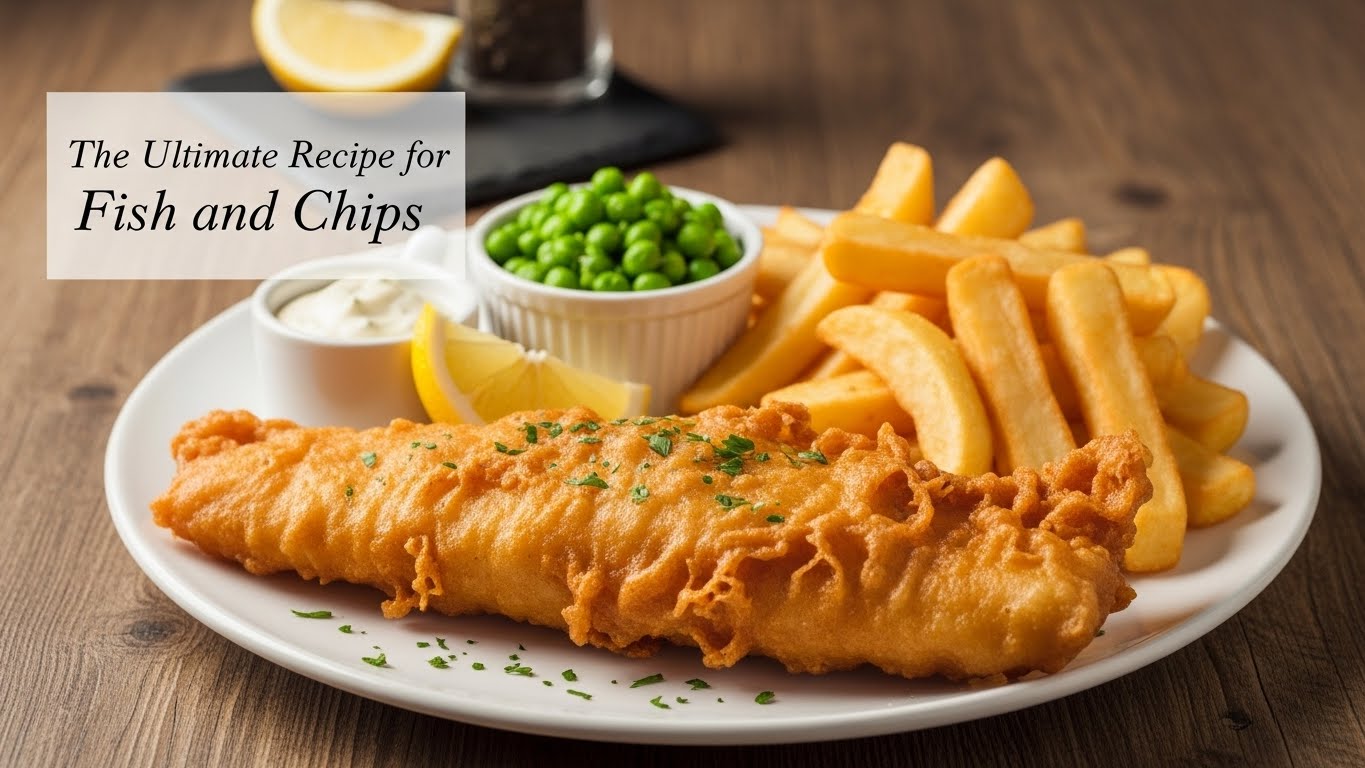
Introduction
Few dishes capture the essence of comfort food and national pride like fish and chips. This quintessential British dish, with its perfect combination of crispy battered fish and golden, fluffy chips, has delighted taste buds for generations. Whether you’re a seasoned cook or a curious foodie, this guide will take you through everything you need to know to create the ultimate fish and chips at home.
In this article, we’ll explore the fascinating history, authentic recipe, cultural significance, regional variations, cooking tips, and nutritional profile of this iconic meal. By the end, you’ll not only know how to make it but also appreciate the story behind every crispy bite.
The Ultimate Fish and Chips
Ingredients
Equipment
Method
- Prepare the chips: Peel potatoes and cut into thick strips. Rinse, boil 3 to 4 minutes, drain and dry. Fry at 300°F for 4 to 5 minutes. Set aside.
- Make the batter: Whisk flour, baking powder, salt, and pepper. Add cold sparkling water. Refrigerate 15 minutes.
- Fry the fish: Coat fillets in flour, dip in batter. Fry at 350°F for 6 to 8 minutes until golden. Drain on a rack.
- Finish the chips: Fry at 375°F for 3 to 4 minutes until golden and crispy. Salt immediately. Serve with fish.
Notes
A Brief History of Fish and Chips
The origins of fish and chips can be traced back to the 19th century in England. Fried fish was introduced by Jewish immigrants from Spain and Portugal, while fried potatoes (chips) were already popular in the UK. The combination of the two is believed to have first appeared in London in the 1860s, when Joseph Malin opened what is often considered the first fish and chip shop.
During World War I and II, fish and chips became a staple for the British working class, providing an affordable and filling meal. The government even safeguarded the supply of fish and potatoes to maintain morale. Today, there are over 10,000 fish and chip shops across the UK, and the dish remains a beloved national treasure.
The Ultimate Fish and Chips Recipe
Ingredients
For the fish:
- 4 fresh white fish fillets (cod, haddock, or pollock)
- 1 cup all-purpose flour (plus extra for dusting)
- 1 cup cold sparkling water (or beer for beer-battered version)
- 1 teaspoon baking powder
- Salt and pepper, to taste
- Vegetable oil, for frying
For the chips:
- 4 large russet potatoes
- Vegetable oil, for frying
- Salt, to taste
Optional accompaniments:
- Malt vinegar
- Tartar sauce
- Lemon wedges
- Mushy peas
Step-by-Step Instructions
1. Prepare the Chips
- Peel the potatoes and cut them into thick, even strips.
- Rinse the cut potatoes under cold water to remove excess starch, then pat them dry.
- Boil the potato strips for 3 to 4 minutes until slightly tender but not fully cooked. Drain and let them cool.
- Heat oil in a deep fryer or large pot to 300°F (150°C). Fry the chips in batches for 4 to 5 minutes until pale but not browned. Remove and drain on paper towels.
2. Make the Batter
- In a large bowl, whisk together flour, baking powder, salt, and pepper.
- Slowly add the cold sparkling water (or beer), whisking until smooth. The batter should be the consistency of thin pancake batter.
- Place the bowl in the refrigerator for 15 minutes to keep it cold. For another take on the classic, see BBC Good Food’s fish and chips recipe.
3. Fry the Fish
- Pat the fish fillets dry with paper towels and lightly coat them in flour, shaking off excess.
- Dip each fillet into the batter, ensuring full coverage.
- Heat oil to 350°F (175°C). Carefully lower the battered fish into the hot oil and fry for 6 to 8 minutes, turning once, until golden brown and crispy.
- Transfer to a wire rack or paper towels to drain excess oil.
4. Finish the Chips
- Increase oil temperature to 375°F (190°C).
- Fry the pre-cooked chips again for 3 to 4 minutes until golden and crispy.
- Drain and sprinkle with salt immediately.
Serving Suggestions
- Place the fish and chips together on a plate or in a paper cone for an authentic touch.
- Serve with malt vinegar, tartar sauce, and lemon wedges on the side.
- Add mushy peas for a truly traditional British experience.
- For a complete meal, pair with our Best Homemade Mashed Potatoes as a hearty side.
Tips for the Perfect Fish and Chips
- Cold batter means crispy fish: Keep the batter chilled until just before frying. The temperature contrast creates a light, crunchy coating.
- Double-fry the chips: The first low-temperature fry cooks the interior, while the second high-heat fry creates the crispy exterior.
- Choose the right fish: Cod and haddock are traditional, but pollock is a sustainable and affordable alternative.
- Don’t overcrowd the fryer: Fry in small batches to maintain oil temperature and ensure even cooking.
- Drain properly: Use a wire rack instead of paper towels to keep the bottom from getting soggy.
Cultural Significance of Fish and Chips
Fish and chips are more than just food, they are a symbol of British identity and tradition. From seaside towns to bustling cities, the local “chippy” is a cornerstone of community life. The dish has even played a role in history: during WWII, Winston Churchill reportedly called fish and chips “good companions” that helped sustain wartime morale.
The cultural significance goes even further: fish and chips were one of the few foods not rationed during wartime, making them a symbol of resilience and comfort. Today, National Fish and Chip Day is celebrated annually in the UK, honoring this iconic dish.
Regional Variations
While the UK remains the birthplace of fish and chips, different regions have put their own spin on the classic:
- Ireland: Often served with a side of curry sauce or garlic mayo.
- Australia and New Zealand: Known as “fish ’n’ chips,” often wrapped in newspaper and enjoyed at the beach.
- United States: Typically served with coleslaw and tartar sauce, with a focus on cod or halibut.
- Japan: Inspired versions feature tempura-battered fish with a light, airy crunch.
- South Africa: A popular takeaway, often served with pickled fish as an alternative.
Nutritional Profile (Approximate per Serving)
- Calories: 850 to 1,000 kcal
- Protein: 35 to 40 g
- Carbohydrates: 90 to 100 g
- Fat: 35 to 45 g
- Fiber: 6 to 8 g
While fish provides lean protein and omega-3 fatty acids, the frying process adds significant calories and fat. Enjoy fish and chips as an occasional treat, and consider baking or air-frying for a lighter version.
Frequently Asked Questions
Can I use frozen fish for fish and chips?
Yes, but thaw it completely and pat it very dry before battering. Excess moisture prevents the batter from sticking and makes it soggy. Fresh fish gives the best texture, but good quality frozen cod or haddock works well.
What is the best oil for frying fish and chips?
Use a neutral oil with a high smoke point, like vegetable, canola, or peanut oil. Traditional British chip shops often use beef dripping for extra flavor. Avoid olive oil, as it has too low a smoke point for deep frying.
How do I keep fish and chips crispy?
Serve immediately after frying, and drain on a wire rack rather than paper towels to prevent steaming. Keep the batter cold and the oil at the right temperature. Do not cover the food, as trapped steam softens the coating.
Can I make fish and chips in an air fryer?
You can make a lighter version, but it will not match deep-fried crispiness. Coat the fish in batter and spray with oil, then air fry at 400°F for 10 to 12 minutes. For chips, toss in oil and air fry until golden. The texture will be different but still tasty.
Conclusion
The story of fish and chips is a testament to how simple ingredients, prepared with care, can become a cultural icon. From its humble 19th-century beginnings to its status as Britain’s favorite takeaway, this dish continues to bring people together.
By following this ultimate recipe, using fresh ingredients, and mastering a few key techniques, you can recreate the magic at home. So heat up that oil, mix that batter, and get ready for a truly satisfying meal. Finish with our New York cheesecake for dessert, and you have the perfect British-inspired feast.
About the Author
Luke is the home cook and writer behind Lumomint Foods. He spends his time testing comforting, practical recipes from around the world and writing them up in plain, easy language for everyday cooks.
1 thought on “The Ultimate Recipe for Fish and Chips”