
Indian Butter Chicken
Introduction
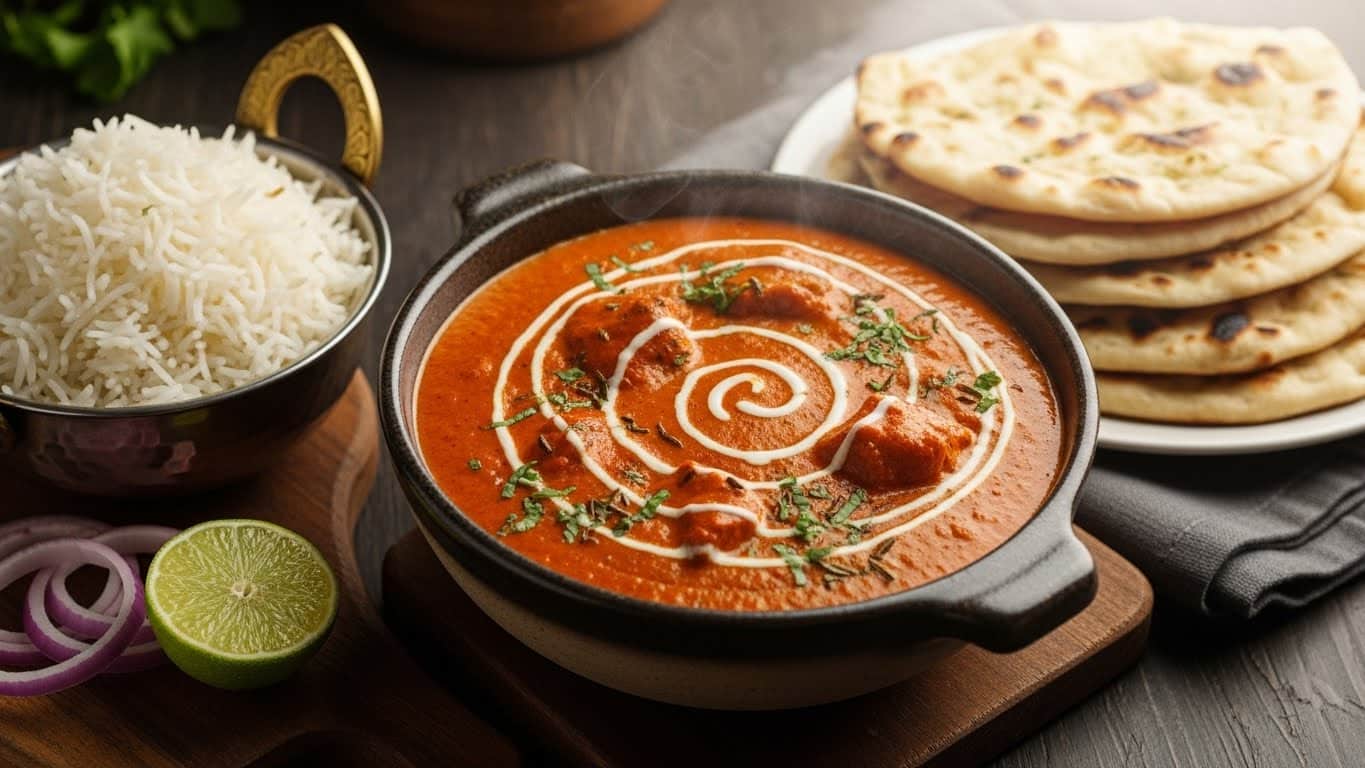
Few dishes have managed to achieve global recognition like Indian Butter Chicken, also known as Murgh Makhani. Creamy, mildly spiced, and irresistibly rich, this curry has found its place in restaurants and households across continents. From fine dining establishments in London and New York to local street-side eateries in Delhi, butter chicken continues to charm food lovers everywhere.
But what makes butter chicken so special? Its origins, flavors, and versatility set it apart. This article explores the fascinating history of butter chicken, the science behind its velvety texture, opportunities and risks when cooking it, and finally, provides a foolproof recipe that you can recreate in your kitchen.
History of Butter Chicken
Butter chicken’s story begins in Delhi during the 1950s at the famous Moti Mahal restaurant. The dish was created accidentally by chefs Kundan Lal Jaggi and Kundan Lal Gujral, who sought a way to reuse leftover tandoori chicken without it drying out. They simmered the chicken in a tomato-butter sauce enriched with cream and aromatic spices.
The result? A luscious curry that balanced smoky, tangy, and buttery flavors. What started as an improvisation soon became a restaurant signature and later, an international icon.
Today, butter chicken is not just a dish, it is a cultural ambassador of Indian cuisine.
What Makes Butter Chicken Unique?
Butter chicken stands apart because of its harmonious combination of flavors:
- Creamy & Buttery Texture: From butter, cream, and cashew paste.
- Mild Spices: Balanced blend of garam masala, cumin, coriander, and fenugreek.
- Tender Chicken: Traditionally marinated in yogurt and cooked in a clay tandoor.
- Sweet-Tangy Base: Tomato puree forms the backbone of the curry.
This balance makes butter chicken universally appealing, even to those unfamiliar with Indian spices.
The Science Behind Perfect Butter Chicken
The success of butter chicken lies in understanding ingredient chemistry:
- Marination with Yogurt & Spices: Yogurt tenderizes chicken with its lactic acid, while spices penetrate the meat.
- Tomato Purée: Provides natural acidity that balances creaminess.
- Butter & Cream: Add fat content that coats the palate, delivering richness.
- Fenugreek Leaves (Kasuri Methi): Give the dish its signature earthy, nutty aroma.
Together, these elements create a curry that is rich without being overwhelming.
Opportunities and Risks in Cooking Butter Chicken
| Opportunities | Risks |
|---|---|
| Experiment with fusion: butter chicken pizza, pasta, or wraps. | Overcooking chicken → dry texture. |
| Make it healthier by substituting cream with Greek yogurt. | Too much cream/butter → greasy curry. |
| Try vegetarian versions with paneer, tofu, or chickpeas. | Not balancing spices → bland or overpowering taste. |
| Adjust spice levels for international palates. | Using raw spices without roasting → harsh flavors. |
Graph: Flavor Balance in Butter Chicken
This balance of sweet, tangy, creamy, and spiced flavors is what makes butter chicken universally loved.
Classic Butter Chicken Recipe
Indian Butter Chicken
Ingredients
Method
- Marinate Chicken: Mix yogurt, lemon juice, ginger-garlic paste, turmeric, chili powder, and salt. Coat chicken and marinate for at least 2 hours (overnight is best).
- Cook Chicken: Traditionally done in a tandoor, but a grill pan or oven works too. Cook until lightly charred.
- Prepare Curry Base: Heat butter in a pan, add tomato purée, and simmer with chili powder, cashew paste, and salt.
- Add Chicken and Cream: Add grilled chicken pieces, cream, and fenugreek leaves. Simmer until flavors meld.
- Serve: Garnish with fresh coriander. Serve with naan, roti, or basmati rice.
Ingredients (Serves 4):
500g boneless chicken (thighs preferred)
200g plain yogurt
1 tbsp lemon juice
2 tsp ginger-garlic paste
1 tsp turmeric powder
2 tsp red chili powder
1 tsp garam masala
2 tbsp vegetable oil or ghee
3 tbsp butter
2 cups tomato purée
1 cup fresh cream
2 tbsp cashew paste (optional for richness)
1 tsp dried fenugreek leaves (kasuri methi)
Salt to taste
Fresh coriander for garnish
Instructions:
Marinate Chicken
Mix yogurt, lemon juice, ginger-garlic paste, turmeric, chili powder, and salt.
Coat chicken and marinate for at least 2 hours (overnight is best).
Cook Chicken
Traditionally done in a tandoor, but a grill pan or oven works too. Cook until lightly charred.
Prepare Curry Base
Heat butter in a pan, add tomato purée, and simmer with chili powder, cashew paste, and salt.
Add Chicken & Cream
Add grilled chicken pieces, cream, and fenugreek leaves. Simmer until flavors meld.
Serve
Garnish with fresh coriander. Serve with naan, roti, or basmati rice.
Common Mistakes and Fixes
Too Watery Curry: Simmer longer to thicken the sauce.
Too Tangy: Add sugar or cream to balance.
Dry Chicken: Use thighs instead of breast meat and avoid overcooking.
Overpowering Spice: Balance with butter and cream.
Butter Chicken Around the World
Butter chicken has evolved into countless international adaptations:
UK: Served in pubs with chips or over fries.
USA: Popular as butter chicken pizza or tacos.
Middle East: Often includes extra cream and nuts for richness.
Australia: A favorite takeaway curry paired with rice or naan.
Butter Chicken vs. Chicken Tikka Masala
| Feature | Butter Chicken | Chicken Tikka Masala |
|---|---|---|
| Origin | Delhi, India | UK (South Asian chefs) |
| Sauce Base | Butter, cream, tomatoes | Tomato-based with stronger spices |
| Flavor | Mild, creamy, slightly sweet | Spicier, smoky, tangier |
| Chicken | Marinated and grilled | Tikka (smaller pieces, spiced) |
Though similar, butter chicken is creamier and gentler, while tikka masala is bolder.
Variations of Butter Chicken
- Paneer Butter Masala: Vegetarian alternative with paneer cubes.
- Butter Tofu Curry: Vegan option with coconut cream.
- Butter Prawns: Seafood twist with shrimp.
- Fusion Versions: Butter chicken pasta, lasagna, or even burgers.
Pro Tips for Perfect Butter Chicken
Always marinate chicken overnight for depth of flavor.
- Use kasuri methi, it’s the secret ingredient for authenticity.
Don’t rush the sauce; slow simmering enhances richness.
Balance cream and butter—avoid making it too heavy.
Conclusion
Butter chicken is more than a dish, it’s a global food phenomenon. Born in Delhi as a happy accident,
Whether you enjoy it the classic way with naan and rice, or experiment with modern fusions, butter chicken remains a shining example of how food can transcend borders. Mastering it at home means embracing both tradition and creativity in the kitchen.
So next time you crave a comforting curry, remember: the secret to world-famous butter chicken is patience, balance, and the love of good food.
Frequently Asked Questions
Can I make butter chicken without cream?
Yes, you can substitute cream with Greek yogurt or coconut cream for a lighter version. The texture will be slightly different but still delicious.
How long should I marinate the chicken?
Marinate for at least 2 hours, but overnight is best for maximum flavor. The yogurt tenderizes the meat and the spices penetrate deeply.
Can I make butter chicken in advance?
Yes, butter chicken tastes even better the next day. Store in the refrigerator for up to 3 days and reheat gently. The flavors meld together beautifully.
About the Author
Luke is the home cook and writer behind Lumomint Foods. He spends his time testing comforting, practical recipes from around the world and writing them up in plain, easy language for everyday cooks.
1 thought on “Indian Butter Chicken”