
Italy’s Classic Margherita Pizza
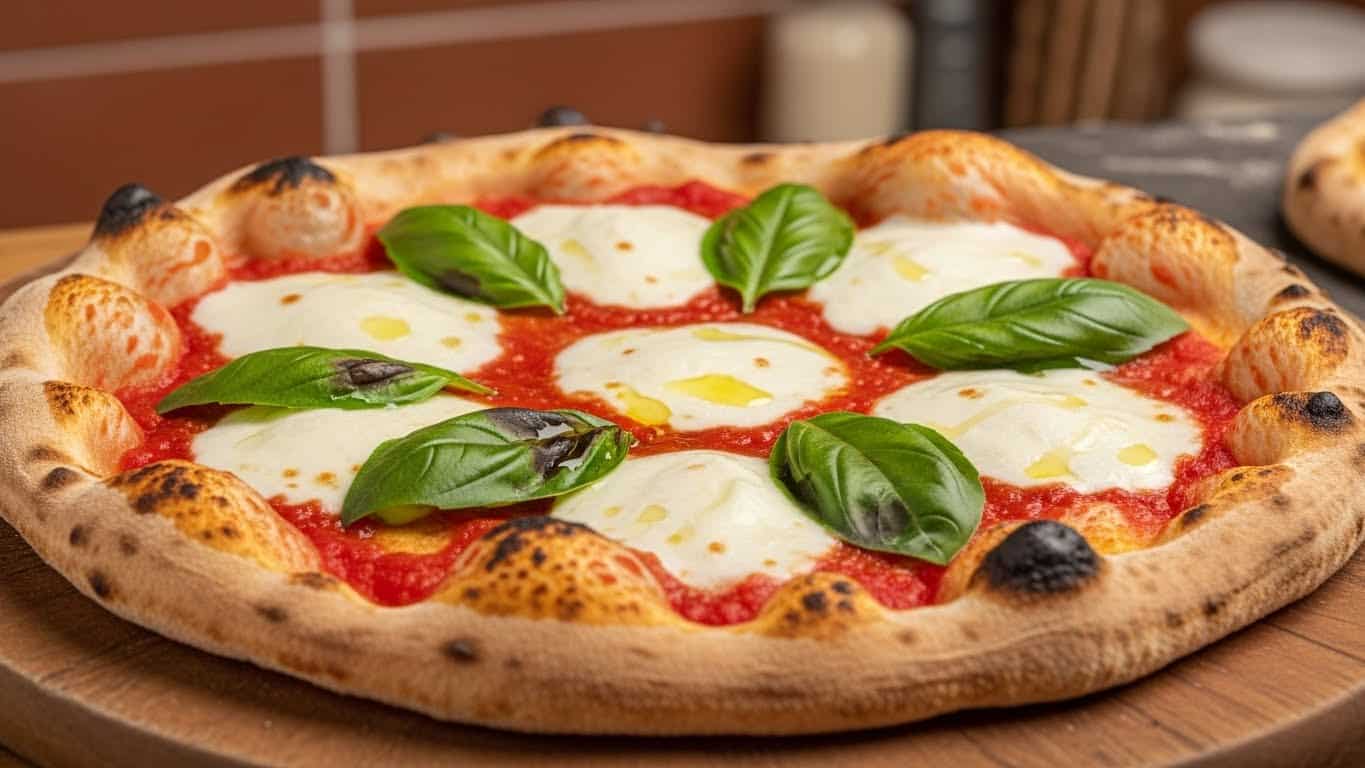
Pizza is one of the world’s most beloved foods, but not all pizzas are created equal. Among the countless variations, one stands out as the symbol of Italian culinary tradition: the Margherita pizza. With its thin, crispy crust, fresh tomato sauce, creamy mozzarella, and aromatic basil, this seemingly simple dish carries centuries of history, cultural pride, and culinary technique. For more recipes, try our falafel and kebabs.
But what is the real secret behind Italy’s classic Margherita pizza? Is it the ingredients, the method of preparation, or the story behind its creation? In this article, we’ll explore its origins, ingredients, preparation, and why it continues to be celebrated as the king of pizzas worldwide.
A Slice of History: Origins of the Margherita Pizza
The Margherita pizza is more than just food; it’s a story baked into Italian history.
18th Century Naples: Pizza began as street food for the working class in Naples. Vendors sold flatbreads topped with garlic, oil, tomatoes, and sometimes cheese.
1889 Legend: The story most widely told is that Queen Margherita of Savoy visited Naples and tried a pizza topped with tomatoes, mozzarella, and basil. The combination represented the colors of the Italian flag — red (tomato), white (mozzarella), and green (basil). The pizza was then named in her honor.
Symbol of Unity: Beyond taste, the pizza came to symbolize Italian pride and identity after unification.
👉 Whether myth or fact, the association with Queen Margherita cemented this pizza’s legendary status.
The Secret: Simplicity and Ingredients
The magic of Margherita pizza lies not in complexity, but in its simplicity. Italians often say: “Good food needs few ingredients, but they must be excellent.”
1. The Dough
Flour: Traditional “00” Italian flour gives the dough elasticity.
- Yeast: Natural fermentation (24 to 48 hours) develops flavor and digestibility.
Water & Salt: Simple, but balance is key.
Secret Tip: Long fermentation ensures a light, airy crust that doesn’t feel heavy.
2. The Tomatoes
Authentic pizzas use San Marzano tomatoes grown in the volcanic soil near Mount Vesuvius.
They are naturally sweet, low in acidity, and create a perfect sauce without added sugar.
3. The Cheese
Mozzarella di Bufala (buffalo mozzarella): Creamier, richer, and more flavorful than cow’s milk mozzarella.
Fior di Latte: A cow’s milk version, also used for a lighter texture.
4. The Basil
Fresh basil leaves are not just garnish; they add aroma and freshness.
Italians insist basil should be torn, not cut, to preserve its essential oils.
5. The Olive Oil
Extra virgin olive oil adds richness and enhances flavor.
A drizzle before or after baking completes the authentic taste.
The Cooking Method: Where Fire Meets Flavor
Beyond the ingredients, the cooking method is equally important.
- Wood-Fired Oven: Traditional Margherita pizzas are cooked in wood-fired ovens at 450 to 500°C (850 to 900°F).
- Cooking Time: Only 60 to 90 seconds. The extreme heat gives the crust its iconic charred edges, while keeping the center soft.
Texture Balance: Crispy outside, airy inside, with a slightly wet middle (known as “la macchia,” or the “spot”).
👉 This quick cooking method is the secret behind the unique texture and smoky flavor.
Nutrition Breakdown: Traditional Margherita Pizza
While pizza is often labeled “unhealthy,” the traditional Margherita is surprisingly balanced.
Graph 1: Calories per Slice (Average)
Graph 2: Nutrient Comparison (Per Slice)
👉 Thanks to fresh, unprocessed ingredients, it’s lighter and easier to digest than fast-food versions.
Cultural Significance: More Than Just Pizza
- UNESCO Recognition: In 2017, the art of Neapolitan “Pizzaiuolo” (pizza-making) was added to UNESCO’s list of Intangible Cultural Heritage.
- Symbol of Italy: Like pasta or espresso, Margherita pizza represents Italian identity globally.
- Global Influence: Though many pizza variations exist worldwide, the Margherita remains the benchmark for authenticity.
Modern Twists and Variations
While purists argue against changing the original recipe, chefs and home cooks experiment with creative spins:
- Vegan Margherita: Cashew cheese or plant-based mozzarella.
- Whole-Grain Dough: Adds fiber and a nutty flavor.
- Truffle Oil Margherita: A luxurious modern twist.
- Mini Margheritas: Bite-sized versions for parties.
👉 Yet, no matter the innovation, the foundation remains tomatoes, mozzarella, and basil.
The Risks of Losing Authenticity
As pizza spread globally, many versions lost touch with the traditional roots. The risks include:
- Over-Commercialization: Fast-food chains use processed cheese, sauces, and frozen dough.
- Nutritional Concerns: Extra toppings, heavy oils, and processed meats make modern pizzas calorie bombs.
- Cultural Dilution: The art of pizza-making may be overshadowed by mass production.
Opportunities for the Future
- Culinary Tourism: Naples attracts millions of travelers eager to taste authentic Margherita pizza.
- Global Education: Cooking classes and workshops spread knowledge of true Neapolitan techniques.
- Sustainable Pizza: Using organic, local, and seasonal ingredients can keep the tradition eco-friendly.
- Health-Conscious Adaptations: Gluten-free and vegan versions allow wider accessibility.
Step-by-Step: How to Make Authentic Margherita Pizza at Home
Ingredients (for 2 pizzas):
500g “00” flour
325ml water
2g fresh yeast
10g salt
300g canned San Marzano tomatoes
250g mozzarella (buffalo or fior di latte)
Fresh basil leaves
Extra virgin olive oil
Method:
Prepare the Dough: Mix flour, yeast, water, and salt. Knead until elastic. Let it rise 24 hours.
- Make the Sauce: Blend San Marzano tomatoes with a pinch of salt. Do not cook, keep it fresh.
Shape the Base: Stretch dough by hand (never roll), keeping edges thicker.
Assemble: Spread tomato sauce, add mozzarella, basil leaves, and a drizzle of olive oil.
Bake: Use a wood-fired oven if possible. Otherwise, a hot oven (250°C/480°F) with a pizza stone works well. Bake 6–8 minutes.
👉 The result: A golden, airy crust with melted cheese and fresh, vibrant flavors.
Comparison: Traditional vs. Fast-Food Pizza
Graph 3: Authenticity vs. Commercialization
Conclusion
The secret behind Italy’s classic Margherita pizza lies in its simplicity, authenticity, and balance of flavors. Each element, from the San Marzano tomatoes to the buffalo mozzarella, fresh basil, and wood-fired crust, plays a vital role.
Final Thought: The next time you bite into a Margherita pizza, remember, you’re not just eating pizza. You’re tasting centuries of tradition, culture, and passion. For a creamy twist on pizza night, try our White Pizza too.
Italy’s Classic Margherita Pizza
Ingredients
Method
-
- Prepare the Dough: Mix flour, yeast, water, and salt. Knead until elastic. Let it rise 24 hours.
- Make the Sauce: Blend San Marzano tomatoes with a pinch of salt. Do not cook, keep it fresh.
- Shape the Base: Stretch dough by hand (never roll), keeping edges thicker.
- Assemble: Spread tomato sauce, add mozzarella, basil leaves, and a drizzle of olive oil.
- Bake: Use a wood-fired oven if possible. Otherwise, a hot oven (250C/480F) with a pizza stone works well.
Frequently Asked Questions
Can I make Margherita pizza without a wood-fired oven?
Yes. Use the hottest setting on your home oven (250C/480F) with a pizza stone or steel. Preheat for at least 45 minutes to mimic the intense heat.
What is the best flour for pizza dough?
Italian ’00’ flour gives the most authentic texture with its fine grind and high elasticity. All-purpose flour works in a pinch but produces a slightly denser crust.
Can I use fresh tomatoes instead of canned San Marzano?
Canned San Marzano tomatoes are preferred for their consistent sweetness and low acidity. Fresh tomatoes have higher water content and need longer cooking to achieve the right sauce consistency.
About the Author
Luke is the home cook and writer behind Lumomint Foods. He spends his time testing comforting, practical recipes from around the world and writing them up in plain, easy language for everyday cooks.
2 thoughts on “Italy’s Classic Margherita Pizza”