
How to Store Food Properly to Keep It Fresh Longer
Food waste is one of the most common problems in every kitchen, and most of it happens simply because food isn’t stored the right way. When you understand how to store different types of food properly, you not only keep them fresh for longer but also save money and maintain better food quality. Proper storage isn’t complicated—it’s about using the right methods for the right ingredients and avoiding small mistakes that lead to spoilage.
Why Proper Food Storage Matters
Storing food correctly helps preserve its freshness, taste, and nutritional value. It also prevents the growth of bacteria that can cause foodborne illnesses. Many foods spoil faster not because they are bad, but because they are kept in the wrong conditions such as excess moisture, heat, or exposure to air.
When you organize your kitchen and fridge properly, you reduce waste, extend shelf life, and make your cooking routine more efficient.
Understand Your Fridge Zones
Not all areas of your refrigerator have the same temperature, and knowing where to store items makes a big difference. The top shelves usually have a consistent temperature, making them ideal for ready-to-eat foods like leftovers and dairy.
The middle shelves are good for items like yogurt, cheese, and cooked food. The bottom shelf is the coldest and should be used for raw meat and fish to prevent contamination.
The crisper drawers are designed for fruits and vegetables, helping maintain the right humidity levels. The fridge door is the warmest area, so it’s best for condiments and drinks rather than perishable items like milk or eggs.
Store Fruits and Vegetables Separately
One common mistake is storing fruits and vegetables together. Many fruits release ethylene gas, which can cause vegetables to spoil faster. Keeping them separate helps maintain freshness for longer periods.
Leafy greens should be stored in breathable bags with a bit of moisture, while fruits like apples and bananas should be kept in dry conditions. Proper separation significantly reduces spoilage.
Use Airtight Containers
Exposure to air is one of the main reasons food goes bad quickly. Using airtight containers helps maintain freshness, prevents odors from spreading, and keeps food safe from contamination.
Glass containers are often better than plastic for long-term storage, as they don’t absorb smells and are easier to clean. Proper sealing also helps leftovers last longer in the fridge.
Keep Your Pantry Organized
Dry foods like rice, flour, pasta, and spices should be stored in a cool, dry place. Keeping them in sealed containers protects them from moisture, pests, and air exposure.
Labeling containers with dates can help you track freshness and avoid using expired ingredients. A well-organized pantry makes cooking easier and reduces waste.
Store Meat and Fish Safely
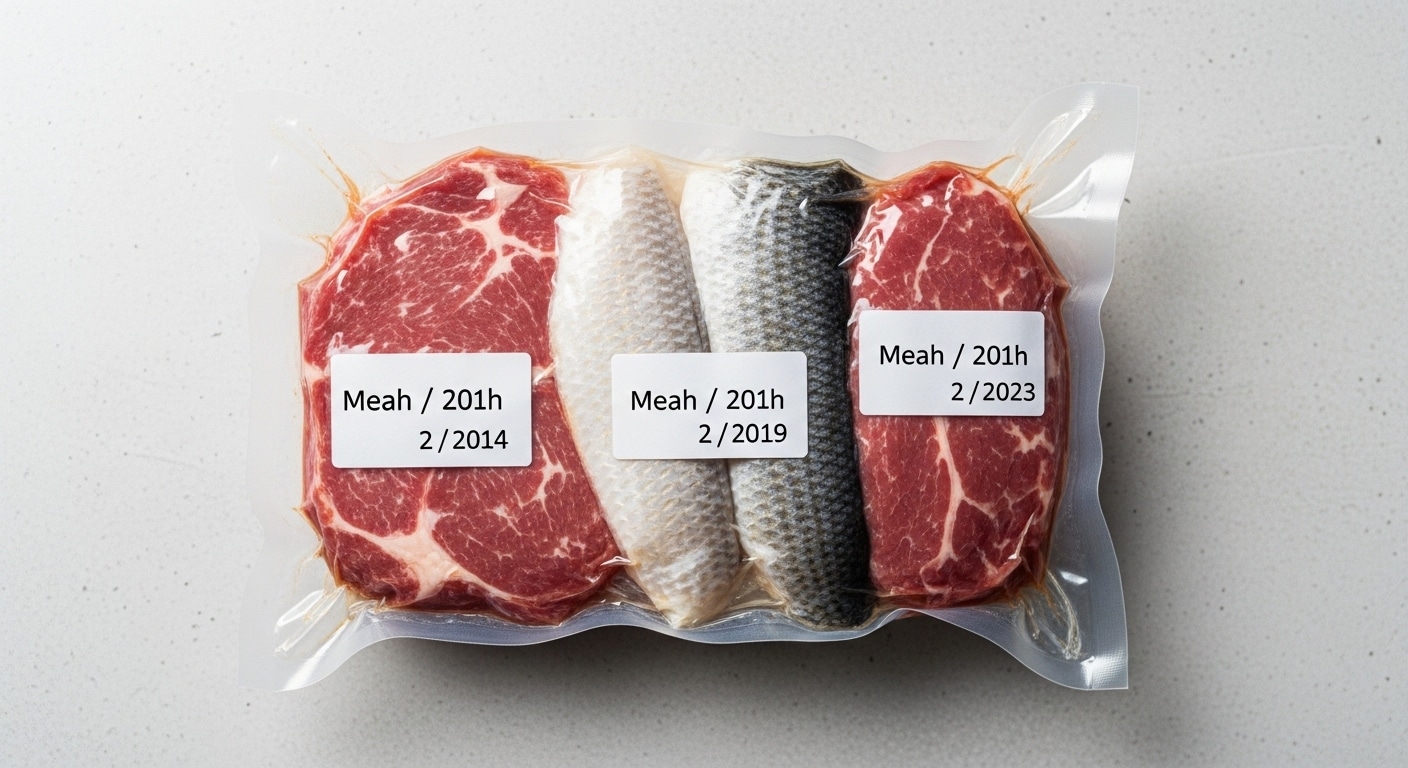
Raw meat and fish should always be stored in the coldest part of the fridge and kept in sealed containers or packaging. If you don’t plan to use them within a couple of days, freezing is the best option.
When freezing, wrap them properly to prevent freezer burn. Dividing into portions before freezing also makes it easier to use later without thawing everything at once.
Freeze Food the Right Way
Freezing is one of the best ways to extend the life of food, but it needs to be done correctly. Always store food in freezer-safe bags or containers and remove as much air as possible before sealing.
Labeling frozen food with dates helps you keep track of how long it has been stored. While freezing preserves food, it doesn’t keep it fresh forever, so it’s important to use items within a reasonable time.
Don’t Overload Your Fridge
A crowded fridge can block proper air circulation, leading to uneven cooling and faster spoilage. Keeping some space between items allows cold air to circulate freely and maintain consistent temperatures.
At the same time, an empty fridge is also not ideal, as it struggles to maintain stable cooling. Keeping a balanced amount of food helps maintain efficiency.
Store Leftovers Properly
Leftovers should be cooled slightly before being stored in airtight containers. Placing hot food directly in the fridge can raise the internal temperature and affect other items.
Consume leftovers within 2–3 days for best quality. Reheat only the portion you need instead of reheating the entire batch multiple times.
Avoid Common Storage Mistakes
Simple mistakes can reduce the shelf life of your food significantly. Washing fruits and vegetables before storing them can introduce moisture that leads to faster spoilage. It’s better to wash them just before use.
Storing bread in the fridge is another common mistake—it actually dries out faster. Bread is best kept at room temperature or frozen for longer storage.
Use the First In, First Out Rule
Always use older items before newer ones. This method, known as “first in, first out,” helps reduce waste and ensures nothing gets forgotten at the back of the fridge or pantry.
Organizing your food this way makes it easier to track what needs to be used soon.
Final Thoughts
Proper food storage is not about complicated techniques—it’s about understanding simple principles and applying them consistently. By storing food in the right conditions, using airtight containers, and organizing your kitchen efficiently, you can keep your food fresh for much longer.
These small habits not only improve your cooking experience but also help you save money and reduce unnecessary waste in your daily life.
Frequently Asked Questions
How long can you safely store leftovers in the fridge?
Most cooked leftovers stay safe for 3 to 4 days when refrigerated promptly in airtight containers. If you will not eat them in time, freeze them. This applies to dishes like classic chicken soup or tomato soup, which both freeze well for longer storage.
Should you store fruits and vegetables together?
No. Many fruits release ethylene gas which causes vegetables to spoil faster. Keep them in separate crisper drawers. For official guidance on safe storage temperatures and times, see the FDA guide to storing food safely.
Can you put hot food directly in the fridge?
It is best to cool hot food slightly first, but do not leave it out more than two hours. Divide large portions into shallow containers so they cool quickly, then refrigerate. This prevents bacterial growth while protecting your fridge from excess heat.
How do you prevent freezer burn?
Wrap food tightly in freezer-safe bags or containers, removing as much air as possible. Label with the date and use within 2 to 3 months for best quality. Proper wrapping keeps moisture in and air out.
About the Author
Luke is the home cook and writer behind Lumomint Foods. He spends his time testing comforting, practical recipes from around the world and writing them up in plain, easy language for everyday cooks.