
Authentic Turkish Kebabs at Home
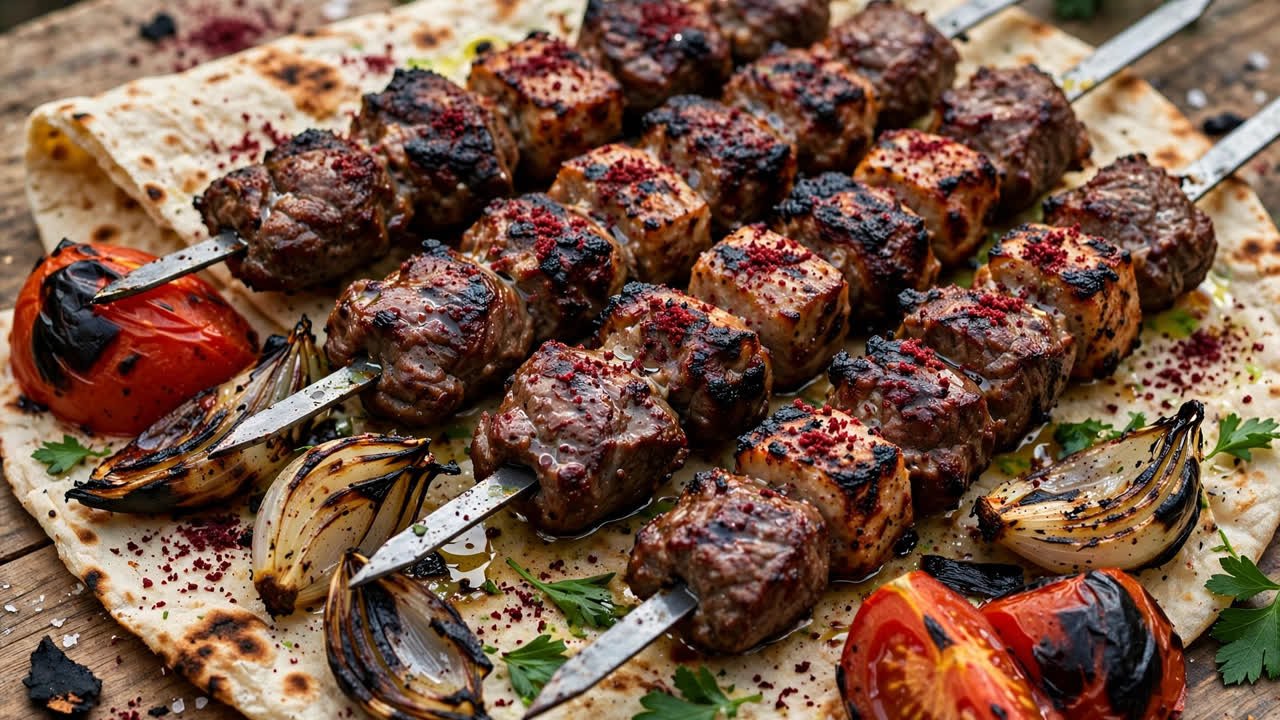
Picture this: skewers of smoky grilled lamb, charred just right at the edges, with the smell of garlic and warm spices drifting through your kitchen. That is what homemade Turkish kebabs taste like, and you do not need a restaurant grill or a trip to Istanbul to get there.
With a simple yogurt marinade, a handful of pantry spices, and a little patience, you can make kebabs that are juicy, tender, and full of flavor. This guide walks you through the ingredients, the three most loved styles, and a foolproof cooking method, plus easy sides and answers to common questions. If you enjoy hands on cooking projects, you will also love our easy homemade falafel
Authentic Turkish Kebabs
Ingredients
Equipment
Method
- Cut the lamb into even 1.5-inch cubes, trimming excess fat but leaving a little for flavor.
- In a large bowl, whisk together the yogurt, olive oil, garlic, lemon juice, salt, pepper, paprika, oregano, and mint.
- Add the lamb to the marinade and toss to coat. Cover and refrigerate for at least 4 hours or overnight.
- If using wooden skewers, soak them in water for 30 minutes. Thread the lamb onto skewers, leaving small gaps between pieces.
- Grill over medium-high heat for 8 to 12 minutes, turning every 2 to 3 minutes, until browned and cooked through.
- Let the kebabs rest for 5 minutes, then serve hot with your favorite sides.
Notes
Why Make Turkish Kebabs at Home?
Many people assume that authentic Turkish kebabs require special equipment or hard-to-find ingredients. That’s a myth. While traditional methods use vertical rotisserie grills (like for döner kebab), you can achieve incredible results using a regular grill, oven, or even a cast-iron skillet. The secret lies in the marinade, the cut of meat, and the cooking technique.
Making kebabs at home gives you full control over quality and flavor. You choose the freshest ingredients, adjust the spice levels to your taste, and avoid preservatives or excess oil often found in takeout versions. Plus, it’s a fun, rewarding cooking project that brings people together—perfect for family dinners, weekend gatherings, or even a solo culinary adventure.
And let’s be honest: there’s something deeply satisfying about serving a dish that looks and tastes like it came straight from a bustling Istanbul street vendor, but was made with love in your own kitchen.
Essential Ingredients for Authentic Turkish Kebabs
The foundation of any great Turkish kebab starts with high-quality ingredients. While recipes can vary by region, certain elements remain consistent across authentic preparations.
Meat Selection
The most traditional kebabs use lamb, but beef and chicken are also popular. For lamb, choose shoulder or leg cuts—they’re well-marbled and stay juicy during grilling. Beef should be lean but tender, like sirloin or ribeye. Chicken works best with thigh meat, which retains moisture better than breast.
Avoid pre-ground meat if possible. Grinding your own (or asking your butcher to do it) ensures freshness and texture. For dishes like şiş kebab (skewered cubes), cut meat into 1.5-inch pieces for even cooking.
Marinade Secrets
The marinade is where the magic happens. Turkish kebabs rely on a blend of yogurt, olive oil, garlic, and spices to tenderize and flavor the meat. Plain, full-fat yogurt is essential. It breaks down proteins gently without making the meat mushy.
Key marinade ingredients include:
- Plain yogurt (full-fat)
- Extra virgin olive oil
- Fresh garlic (minced or grated)
- Lemon juice or pomegranate molasses
- Salt and black pepper
- Dried oregano, mint, and paprika
For extra depth, some recipes include onion juice or tomato paste. Marinate for at least 4 hours, and overnight is ideal for maximum flavor.
Spices and Seasonings
Turkish cuisine uses spices thoughtfully, not heavily. The goal is balance, not heat. Common spices include:
- Paprika: adds color and mild sweetness
- Dried mint: a signature Turkish flavor
- Oregano: earthy and aromatic
- Cumin: used sparingly for warmth
- Black pepper: freshly ground for best results
Avoid pre-mixed “kebab spice” blends unless they’re from a trusted source. Making your own ensures authenticity and freshness.
Popular Types of Turkish Kebabs You Can Make at Home
Turkey boasts dozens of kebab varieties, each with its own character. Here are three of the most beloved—and easiest to recreate at home.
Şiş Kebab (Skewered Meat Kebab)
This is perhaps the most recognizable Turkish kebab. Cubes of marinated lamb or beef are threaded onto metal or soaked wooden skewers and grilled over high heat. The result is charred on the outside, juicy within.
To make şiş kebab at home, soak wooden skewers in water for 30 minutes to prevent burning. Alternate meat with chunks of onion, bell pepper, or tomato for added moisture and flavor. Grill over medium-high heat for 8–10 minutes, turning occasionally.
Adana Kebab (Spicy Minced Meat Kebab)
Originating from the city of Adana, this kebab features hand-minced lamb mixed with red pepper flakes, garlic, and spices, then pressed onto flat skewers. It’s known for its bold, spicy flavor.
For homemade Adana kebab, use a 70/30 lamb to fat ratio for juiciness. Mix in finely chopped onion, garlic, salt, black pepper, and a generous amount of pul biber (Turkish red pepper flakes). Knead the mixture for 5 to 10 minutes to develop texture. Shape around skewers and grill until charred and cooked through. For a detailed walkthrough, see this Adana kebab recipe
Döner Kebab (Rotating Meat Kebab)
While traditional döner requires a vertical rotisserie, you can mimic it at home using a loaf pan or rolling the meat into a compact log. Seasoned, spiced meat is layered and roasted, then sliced thin.
For a simplified version, mix ground lamb or beef with onions, garlic, parsley, and spices. Press into a loaf pan, cover with foil, and bake at 350°F (175°C) for 45 minutes. Let rest, then slice and pan-sear for a crispy exterior. Serve in pita with garlic sauce and pickled vegetables.
Step-by-Step Guide to Cooking Authentic Turkish Kebabs
Now that you know the ingredients and styles, let’s walk through a foolproof method for making delicious kebabs at home.
Step 1: Choose and Prepare Your Meat
Select fresh, high-quality meat. Trim excess fat but leave some for flavor. Cut into even pieces if making şiş kebab, or grind for Adana or köfte-style kebabs. Pat dry with paper towels before marinating.
Step 2: Make the Marinade
In a bowl, combine 1 cup plain yogurt, 3 tablespoons olive oil, 4 minced garlic cloves, 1 tablespoon lemon juice, 1 teaspoon salt, 1 teaspoon black pepper, 1 teaspoon dried mint, and 1 teaspoon paprika. Mix well.
Add the meat and coat thoroughly. Cover and refrigerate for at least 4 hours, ideally overnight. The longer it marinates, the more flavorful and tender the kebabs will be.
Step 3: Prepare Your Cooking Method
For grilling: Preheat your grill to medium-high (around 400°F/200°C). Clean and oil the grates to prevent sticking.
For oven cooking: Preheat to 425°F (220°C). Use a wire rack on a baking sheet to allow airflow and even browning.
For stovetop: Use a cast-iron skillet or grill pan over medium-high heat. A little oil helps prevent sticking.
Step 4: Skewer and Cook
If using wooden skewers, soak them in water for 30 minutes. Thread meat onto skewers, leaving a small gap between pieces for even cooking.
Cook for 8 to 12 minutes, turning every 2 to 3 minutes, until the meat is browned and reaches an internal temperature of 145°F (63°C) for lamb or beef, or 165°F (74°C) for chicken.
Avoid overcooking. Turkish kebabs are best when slightly pink in the center.
Step 5: Rest and Serve
Let the kebabs rest for 5 minutes before serving. This allows juices to redistribute, keeping the meat moist.
Serve hot with traditional sides like rice pilaf, grilled vegetables, or fresh salad.
Serving Suggestions and Traditional Accompaniments
Authentic Turkish kebabs are rarely eaten alone. They shine as part of a balanced meal with grains, vegetables, and sauces. For another cozy homemade classic, try our authentic Indian butter chicken
Classic Sides
- Pide or Lavash Bread: perfect for scooping up meat and sauce
- Bulgur Pilaf: nutty, fluffy, and absorbs flavors beautifully
- Grilled Vegetables: zucchini, eggplant, bell peppers, and onions
- Shepherd’s Salad (Çoban Salatası): diced tomatoes, cucumbers, onions, parsley, and olive oil
Sauces and Condiments
- Garlic Yogurt Sauce (Cacık): yogurt, garlic, cucumber, mint, and olive oil
- Sumac Onions: thinly sliced red onions soaked in sumac and lemon
- Hot Pepper Paste (Acılı Ezme): for spice lovers
Don’t forget a squeeze of fresh lemon or a drizzle of pomegranate molasses to brighten the flavors.
Tips for Perfect Turkish Kebabs Every Time
Even with the best recipe, a few expert tips can elevate your kebabs from good to unforgettable.
- Don’t skip the marinade. It’s not just for flavor. It tenderizes the meat and keeps it moist.
- Use a meat thermometer. Overcooked kebabs are dry and tough. Aim for medium-rare to medium.
- Let meat come to room temperature before cooking for even heat distribution.
- Don’t overcrowd the grill or pan. This ensures proper browning and prevents steaming.
- Finish with a sprinkle of flaky sea salt and fresh herbs like parsley or dill.
Nutritional Benefits of Turkish Kebabs
When made with lean cuts and healthy fats, Turkish kebabs can be part of a balanced diet. They’re rich in high-quality protein, essential amino acids, and B vitamins. The use of olive oil and yogurt adds heart-healthy fats and probiotics.
Lamb and beef provide iron and zinc, important for energy and immunity. Vegetables and herbs boost fiber, antioxidants, and vitamin C. Just be mindful of portion sizes and avoid heavy sauces if watching calories.
For a lighter version, try chicken or turkey kebabs with extra vegetables on the skewers.
Common Mistakes to Avoid
Even experienced cooks can stumble when making kebabs. Here’s what to watch out for:
- Using low-fat yogurt. It doesn’t tenderize as effectively and can curdle during marination.
- Over-marinating. While longer is usually better, marinating for more than 24 hours can make meat mushy.
- High heat too soon. Start with medium heat to avoid burning the outside before the inside cooks.
- Skewering too tightly. Leave space between meat pieces for airflow and even cooking.
- Not resting the meat. Cutting too soon lets precious juices escape.
Key Takeaways
- Authentic Turkish kebabs at home are achievable with simple tools and fresh ingredients.
- The marinade (yogurt, olive oil, garlic, and spices) is key to tender, flavorful meat.
- Popular styles include şiş kebab, Adana kebab, and döner kebab, all adaptable to home cooking.
- Cook over medium-high heat, avoid overcooking, and always let meat rest before serving.
- Serve with traditional sides like bulgur, grilled vegetables, and garlic yogurt sauce.
Frequently Asked Questions
Can I make Turkish kebabs without a grill?
Absolutely. Use a cast-iron skillet, grill pan, or oven with a wire rack. The key is high, even heat and proper browning. A broiler can also mimic grill marks.
What’s the best meat for Turkish kebabs?
Lamb is traditional and offers rich flavor, but beef and chicken work well too. Choose cuts with some fat for juiciness—shoulder, leg, or thigh meat are ideal.
How long should I marinate the meat?
At least 4 hours, but overnight is best. This allows the yogurt and spices to fully penetrate and tenderize the meat.
Can I freeze marinated kebabs?
Yes. Freeze the marinated meat in an airtight container for up to 3 months, either on or off the skewers. Thaw overnight in the fridge before cooking.
Final Thoughts
Making authentic Turkish kebabs at home is not only possible, it is deeply rewarding. With a few quality ingredients, a simple marinade, and the right technique, you can serve a meal that rivals your favorite Turkish restaurant.
So fire up the grill, gather your spices, and let the scent of sizzling meat and garlic fill your home. Your next favorite dinner is only a skewer away. For another flavorful Middle Eastern chicken dish, try our Chicken Shawarma too.
About the Author
Luke is the home cook and writer behind Lumomint Foods. He spends his time testing comforting, practical recipes from around the world and writing them up in plain, easy language for everyday cooks.
6 thoughts on “Authentic Turkish Kebabs at Home”