
Why Did My Chocolate Chip Cookies Turn out Flat? (How to Fix It)
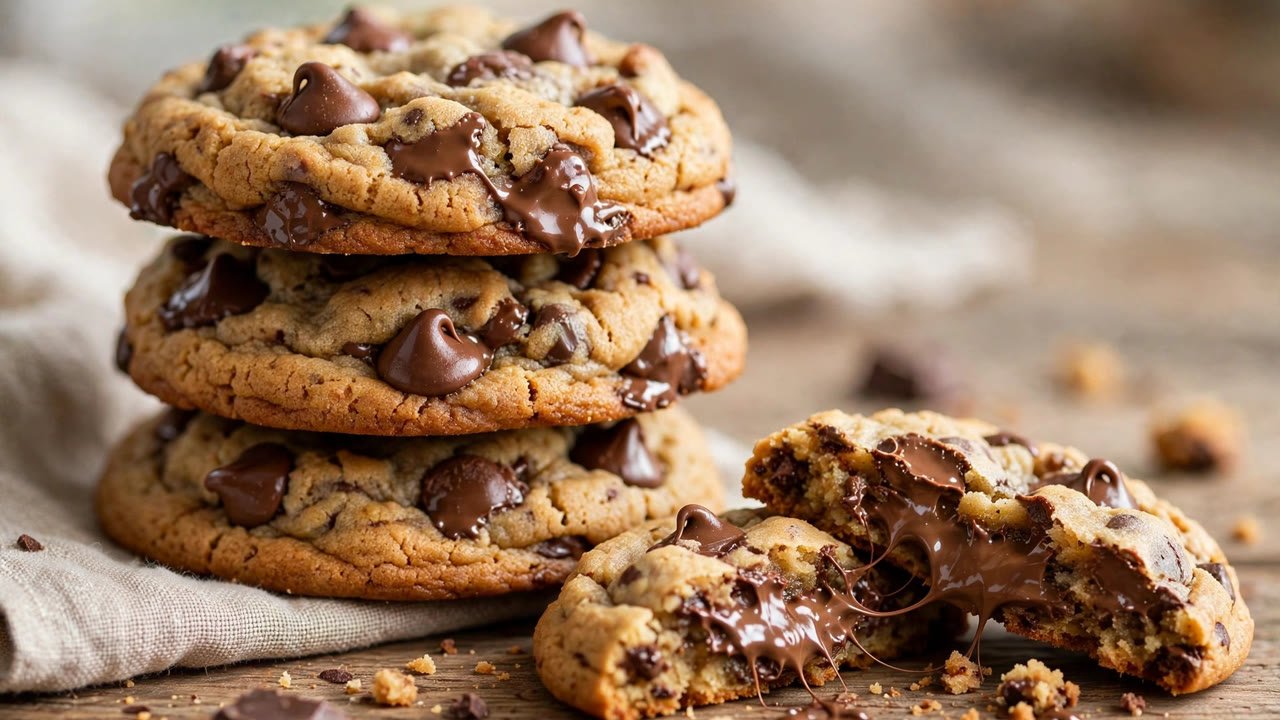
Few kitchen heartbreaks sting like pulling a tray of chocolate chip cookies from the oven and finding thin, greasy discs instead of thick, chewy mounds. I have stood in my own kitchen more times than I care to admit, spatula in hand, wondering where I went wrong. The good news is that flat cookies are almost always fixable. The culprits are usually simple: cool, properly creamed butter, accurately measured flour, and a good chill before baking. This guide explains exactly why cookies spread and gives you the practical fixes I use for thick, bakery style cookies every time. If you enjoy hands-on baking, my fluffy cinnamon rolls guide uses the same careful technique.
Key Takeaways
- Butter temperature and creaming time directly affect spread.
- Over-measuring flour or using the wrong type can weaken structure.
- Leavening agents lose potency if old or incorrectly measured.
- Chilling the dough solidifies fat and limits spread.
- Oven temperature must be accurate; a hot oven sets the edges fast.
Understanding the Science Behind Flat Cookies
When I first started baking, I thought flat cookies were just bad luck. I soon learned that spread is a balance of fat, sugar, flour, and leavening. If any one of them is off, the dough melts too fast in the oven.
Let us break down each factor so you can spot the problem in your own kitchen.
The Role of Butter
Butter traps air when creamed with sugar. If the butter is too warm, it melts before those air bubbles can set, and the cookies flatten. Use butter that is cool to the touch but still pliable, about 65°F (18°C).
If you melt the butter completely, you lose that lift and the cookies bake up thin. King Arthur Baking explains how butter temperature changes cookie texture in detail.
Sugar Types and Ratios
White sugar creates crisp edges, while brown sugar adds moisture and chew. Too much white sugar relative to brown can increase spread because white sugar dissolves faster and releases water earlier.
I have found that a 2:1 ratio of brown to white sugar gives a thicker cookie with a tender center.
Flour Measurement Matters
Over-packing flour is the most common mistake I see. Scooping directly from the bag compacts the flour, adding up to 20% extra weight. That extra flour makes the dough dry, which paradoxically leads to more spread because the gluten network cannot hold the fat.
I now spoon flour into the measuring cup and level it off with a knife, every single time.
Leavening Agents: Baking Soda vs. Baking Powder
Baking soda needs an acid to activate, and brown sugar provides that acidity. If your soda is old, it will not produce enough carbon dioxide, and the cookies will not rise.
I replace my baking soda every six months and always check the expiration date. Baking powder gives a cake-like texture, but too much of it can also change how the cookie spreads.
Common Mistakes That Make Chocolate Chip Cookies Spread
Now that we know the science, let us look at the everyday slip-ups that turn promising dough into flat pancakes. I have made each of these mistakes at least once, and recognizing them saved me countless batches.
Butter Too Soft or Melted
I used to leave butter on the counter for hours, thinking it would soften evenly. In reality, the outer layers turn greasy while the center stays cold, creating an uneven melt.
The result is cookies that ooze out before the edges set. I now cut butter into small cubes and let it sit for 15 to 20 minutes, checking it with a finger.
Over-Mixing the Dough
When I first started, I thought more mixing meant a smoother dough. Over-mixing develops gluten, which makes the cookie tough and actually encourages spread because the tightened gluten cannot hold the fat bubbles.
I mix just until the flour disappears, usually 30 to 45 seconds with a spatula.
Warm Baking Sheets
Placing dough on a hot sheet starts the melting process before the cookies even enter the oven. I learned this the hard way after batch after batch spread like butter on a hot pan.
I now cool my sheets completely or use a fresh, room-temperature sheet for each batch.
Incorrect Oven Temperature
An oven that runs cool gives the cookies too much time to spread before the edges set. I keep an oven thermometer handy and adjust the dial until it reads 350°F (175°C) exactly.
A few degrees off can make a noticeable difference in thickness.
Skipping the Chill Step
Chilling solidifies the fat and slows spread. I used to skip this step to save time, but my cookies always turned out flat. Now I chill the dough for at least 30 minutes, and for thicker cookies I go up to 2 hours. The difference is striking.
How to Fix Flat Chocolate Chip Cookies: Step-by-Step Guide
If you are staring at a batch of sad cookies right now, do not panic. Follow these steps to troubleshoot and correct the issue before your next bake.
Step 1: Check Your Butter
Take the butter out of the fridge and let it sit until it yields slightly to gentle pressure but still holds its shape. If it is greasy or melted, start over with fresh butter.
Step 2: Measure Flour Correctly
Use the spoon-and-level method. Spoon flour into the measuring cup, then sweep off the excess with a straight edge. I never scoop directly from the bag because it packs the flour.
Step 3: Verify Leavening Freshness
Drop a teaspoon of baking soda into a tablespoon of vinegar. If it fizzes vigorously, it is good. If the reaction is weak, replace it. I label my soda with the purchase date so I never forget.
Step 4: Adjust Sugar Ratios
If your cookies spread too much, increase the brown sugar by 1 to 2 tablespoons and decrease the white sugar by the same amount. The extra molasses in brown sugar holds water longer, delaying spread.
Step 5: Chill the Dough
Form the dough into a disc, wrap it in plastic, and refrigerate for at least 30 minutes. For ultra-thick cookies, chill overnight. I have found that a cold dough spreads less than half as much as a warm one.
Step 6: Use Cool Baking Sheets
Run the sheet under cold water, dry it thoroughly, or simply switch to a fresh sheet. I keep a stack of sheets handy so I always have a cool one ready.
Step 7: Bake at the Right Temperature
Preheat the oven fully, then place an oven thermometer on the middle rack. When it reads 350°F (175°C), slide in the cookies. I bake for 10 to 12 minutes, looking for golden edges and a soft center.
Advanced Tips for Bakery-Quality Thickness
Once you have mastered the basics, you can push your cookies to the next level. These pro tricks have helped me bake cookies that are thick, chewy, and utterly irresistible.
Use a Higher Protein Flour
Bread flour contains more gluten-forming protein than all-purpose flour. Substituting up to 25% of your flour with bread flour gives the dough extra strength to resist spread. I keep a small bag of bread flour just for cookie days.
Add a Touch of Cornstarch
One teaspoon of cornstarch per cup of flour tenderizes the crumb and reduces spread. I whisk it in with the dry ingredients to avoid lumps.
Increase the Egg Yolk Ratio
Egg yolks add fat and emulsifiers that help hold the dough together. I sometimes replace one whole egg with an extra yolk, which yields a richer, thicker cookie.
Try a Sugar Syrup Soak
Briefly dipping the dough balls in a simple syrup (equal parts water and sugar) before baking creates a thin crust that sets quickly, limiting spread. I have used this trick for holiday cookies that need to hold intricate shapes.
Why Did My Chocolate Chip Cookies Turn out Flat? (How to Fix It): Troubleshooting Checklist
Print this checklist and keep it on your fridge. Each time you bake, run through the list to catch potential issues before they ruin your batch.
- Butter is cool but pliable (about 65°F).
- Flour measured by spoon-and-level.
- Baking soda fresh (fizz test).
- Sugar ratio favors brown sugar.
- Dough chilled at least 30 minutes.
- Baking sheet at room temperature.
- Oven calibrated to 350°F (175°C).
- No over-mixing (mix just until combined).
- Optional: add cornstarch or bread flour for extra thickness.
Real-Life Examples: What Worked for Me
I will share a couple of specific baking sessions where I applied these fixes and saw dramatic improvements.
Example 1: The Butter Rescue. One rainy afternoon I made cookies with butter that had been left out too long. The dough looked greasy and the cookies spread into lace. I remade the batch using chilled butter cubes, creamed them just until pale, and chilled the dough for 45 minutes. The second batch came out thick, with a soft center and crisp edges, exactly what I wanted.
Example 2: The Flour Fix. After a disastrous batch that resembled cookie-shaped pancakes, I realized I had been scooping flour straight from the bag. I switched to spoon-and-level, reduced the flour by two tablespoons, and added a teaspoon of cornstarch. The cookies held their shape, and the texture was delightfully chewy. For more kitchen rescue guides, see my how to fix salty food post.
Frequently Asked Questions
Why do my cookies still spread even when I chill the dough?
Chilling helps, but if the butter was too warm before chilling or the dough has too much liquid from extra eggs or milk, spread can still happen. Make sure the butter is cool, not melted, before mixing, and measure liquids precisely. Also check that your baking soda is fresh, since weak leavening will not give the lift needed to counteract spread.
Can I use margarine instead of butter to prevent flat cookies?
Margarine contains more water and less fat than butter, which actually increases spread. For thick cookies, stick with real butter. If you need a dairy-free option, use a high-fat vegan butter formulated for baking, and reduce any added liquids in the recipe.
How does altitude affect cookie spread?
At higher elevations, lower air pressure causes baked goods to rise faster and then collapse, leading to spread. To compensate, decrease the baking soda by 1/8 teaspoon, increase the flour by 1 to 2 tablespoons, and raise the oven temperature by 15 to 20°F. You may also need to reduce the sugar slightly.
What should I do if my cookies are flat but still taste great?
Flat cookies can still be delicious. Crumble them and use the pieces as a topping for ice cream, yogurt, or pudding. You can also press them into a crust for cheesecakes or bars. The flavor stays intact, and nothing goes to waste.
Baking is part science, part art, and a lot of practice. Now that you know why chocolate chip cookies turn flat, you can apply these fixes and turn every batch into a bakery-worthy treat. It comes down to butter temperature, precise measuring, fresh leavening, and a good chill. Trust the process, enjoy the smell of fresh cookies drifting through your kitchen, and savor that first thick, chewy bite. Happy baking!
About the Author
Luke is the home cook and writer behind Lumomint Foods. He spends his time testing comforting, practical recipes from around the world and writing them up in plain, easy language for everyday cooks.
1 thought on “Why Did My Chocolate Chip Cookies Turn out Flat? (How to Fix It)”