
Classic Chinese Fried Rice Recipe
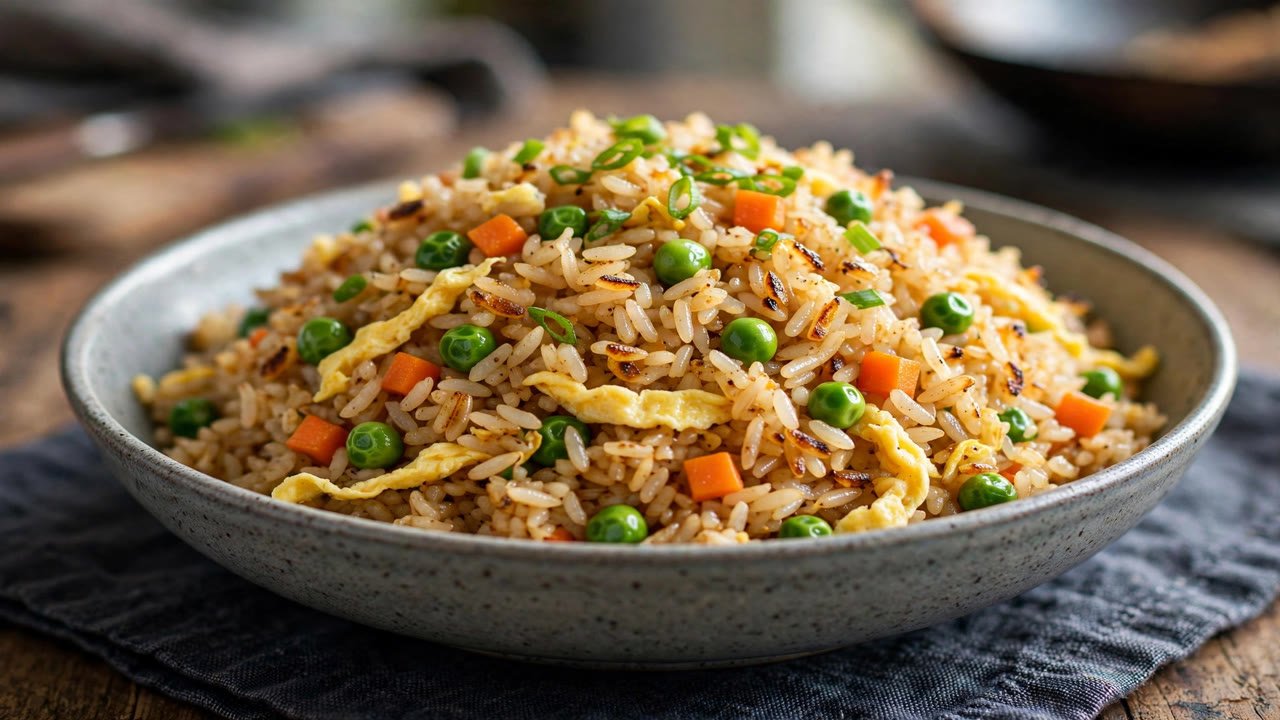
If you’re craving a comforting, savory meal that’s ready in under 20 minutes, this Classic Chinese Fried Rice Recipe is your answer. Crisp-tender grains, fluffy scrambled eggs, sweet peas, and savory soy sauce come together in a wok-fired harmony that tastes just like your favorite takeout—only fresher, healthier, and made with love at home.
This isn’t just another fried rice recipe. It’s a time-tested method passed down through generations of home cooks, perfected for the modern kitchen. Whether you’re using leftover rice or cooking from scratch, this dish delivers authentic flavor with minimal effort. No fancy equipment needed—just a hot pan, a few pantry staples, and a little patience.
In this guide, you’ll learn the secrets to achieving that perfect wok hei (the “breath of the wok”), how to choose the right rice, and why day-old rice makes all the difference. We’ll walk you through every step, from ingredient prep to final toss, so even beginners can nail this dish on the first try.
Classic Chinese Fried Rice
Ingredients
Equipment
Method
- Prepare your ingredients: Start by cooking your rice the day before, or at least 2-3 hours ahead. Spread it on a tray and refrigerate until cold. While the rice chills, chop your green onions, mince the garlic, and thaw the peas and carrots. Beat the eggs lightly with a pinch of salt.
- Scramble the eggs: Heat 1 tablespoon of oil in a large skillet or wok over medium-high heat. Pour in the beaten eggs and scramble quickly until just set. Remove from pan and set aside. Do not overcook.
- Saute aromatics and vegetables: In the same pan, add the remaining oil. Toss in the minced garlic and the white parts of the green onions. Stir-fry for 30 seconds until fragrant. Add the peas and carrots. Stir-fry for 2-3 minutes until tender-crisp.
- Add the rice: Break up any clumps in the cold rice with your hands before adding it to the pan. Spread it evenly and let it fry undisturbed for 1-2 minutes, then toss. Coat each grain in oil and heat without mashing the rice.
- Season and combine: Drizzle in the soy sauce and dark soy sauce (if using). Toss quickly to distribute evenly. Add the scrambled eggs back to the pan. Finish with the green parts of the green onions, sesame oil, and a pinch of white pepper. Toss once more.
- Serve immediately: Transfer the fried rice to a warm serving dish. Serve hot.
Notes
Why This Classic Chinese Fried Rice Recipe Works
The magic of this recipe lies in its simplicity and balance. Each ingredient plays a role: the rice provides texture, the eggs add richness, the vegetables bring color and crunch, and the soy sauce delivers deep umami flavor. But the real secret? Technique.
Authentic Chinese fried rice isn’t just rice tossed with sauce. It’s a carefully orchestrated process that ensures every grain is separate, lightly charred, and packed with flavor. The key is high heat, quick cooking, and using cold, day-old rice. Freshly cooked rice turns mushy under high heat, but chilled rice holds its shape and absorbs seasonings beautifully.
Another hallmark of great fried rice is the “wok hei”: that smoky, slightly charred aroma that comes from cooking over intense flame. While most home stoves can’t replicate a restaurant wok’s extreme heat, you can still achieve a satisfying sear by preheating your pan and working in batches if needed.
Ingredients You’ll Need for Authentic Chinese Fried Rice
This recipe uses pantry-friendly ingredients you likely already have. No hard-to-find items or exotic spices—just real, wholesome components that come together in minutes.
| Ingredient | Amount | Notes |
|---|---|---|
| Jasmine or long-grain white rice | 3 cups (cooked, cold) | Day-old rice is best. Fresh rice becomes sticky. |
| Large eggs | 2 | Beaten lightly with a pinch of salt. |
| Frozen peas and carrots | 1 cup (mixed) | Thawed. Fresh or frozen both work. |
| Green onions | 3 stalks, chopped | White and green parts separated. |
| Garlic | 2 cloves, minced | Fresh is best, avoid powder for authentic flavor. |
| Soy sauce | 2 tablespoons | Use light or regular soy sauce. Dark adds color. |
| Dark soy sauce (optional) | 1 teaspoon | Adds depth and color. Not essential. |
| Sesame oil | 1 teaspoon | Adds nutty aroma. Use toasted sesame oil. |
| Vegetable or peanut oil | 2 tablespoons | High smoke point for stir-frying. |
| Salt and white pepper | To taste | White pepper is traditional; black works too. |
Optional add-ins: diced char siu (Chinese BBQ pork), shrimp, diced chicken, or scrambled tofu for a vegetarian twist. But for the purest version of this Classic Chinese Fried Rice Recipe, we keep it simple and vegetable-forward.
Step-by-Step Instructions for Perfect Fried Rice
Follow these steps carefully to achieve restaurant-quality results at home. Timing and heat control are everything.
Step 1: Prepare Your Ingredients
Start by cooking your rice the day before, or at least 2-3 hours ahead. Spread it on a tray and refrigerate until cold. This prevents clumping and ensures each grain fries separately.
While the rice chills, chop your green onions, mince the garlic, and thaw the peas and carrots. Beat the eggs with a pinch of salt in a small bowl. Have all ingredients within reach—fried rice cooks fast, and you won’t want to stop to chop mid-recipe.
Step 2: Scramble the Eggs
Heat 1 tablespoon of oil in a large skillet or wok over medium-high heat. Pour in the beaten eggs and let them set slightly before gently scrambling. Cook until just set but still soft—about 1 minute. Remove and set aside.
Don’t overcook the eggs. They’ll continue cooking when added back to the rice. Keeping them tender ensures a creamy texture that blends beautifully with the grains.
Step 3: Sauté Aromatics and Vegetables
In the same pan, add the remaining oil. Toss in the minced garlic and the white parts of the green onions. Stir for 15–20 seconds until fragrant—be careful not to burn.
Add the peas and carrots. Stir-fry for 2-3 minutes until tender-crisp. These vegetables add sweetness and color, balancing the savory soy sauce.
Step 4: Add the Rice
Break up any clumps in the cold rice with your hands before adding it to the pan. Spread it evenly and let it sit for 30 seconds to develop a slight crust. Then toss gently with a spatula.
The goal is to coat each grain in oil and heat without mashing the rice. Use a folding motion rather than stirring aggressively. This preserves texture and prevents mushiness.
Step 5: Season and Combine
Drizzle in the soy sauce and dark soy sauce (if using). Toss quickly to distribute evenly. Add the scrambled eggs back into the pan, breaking them into smaller pieces as you go.
Finish with the green parts of the green onions, sesame oil, and a pinch of white pepper. Toss once more and taste. Adjust seasoning if needed—some prefer a touch more soy sauce or a splash of oyster sauce for extra umami.
Step 6: Serve Immediately
Transfer the fried rice to a warm serving dish. The aroma should be rich and slightly smoky. That’s the wok hei at work. Serve hot, ideally alongside a simple soup or stir-fried greens.
Pro Tips for the Best Chinese Fried Rice
Even small tweaks can elevate your fried rice from good to exceptional. Here’s what the pros know:
- Use day-old rice: Fresh rice is too moist and turns gluey. Cold, dry rice fries up light and fluffy.
- Preheat your pan: A hot pan ensures quick cooking and prevents sticking. Let it heat for 1-2 minutes before adding oil
- Don’t overcrowd the pan: Cook in batches if necessary. Too much rice lowers the temperature and steams instead of fries.
- Toast the rice slightly: Let it sit undisturbed for 20-30 seconds after adding to the pan. This creates a light crust and enhances flavor.
- Balance your sauces: Light soy sauce adds saltiness, dark adds color and depth. Use both for complexity.
- Add oil in stages: A little oil with the eggs, more with the rice. This prevents sticking and ensures even coating.
Nutritional Information (Per Serving)
This recipe makes 4 generous servings. Here’s a breakdown of what you’re getting per portion:
| Nutrient | Amount |
|---|---|
| Calories | 320 |
| Total Fat | 12g |
| Saturated Fat | 2.5g |
| Carbohydrates | 45g |
| Dietary Fiber | 2g |
| Sugars | 3g |
| Protein | 8g |
| Sodium | 680mg |
This dish is naturally gluten-free if you use tamari or a certified gluten-free soy sauce. For a lower-sodium version, reduce the soy sauce by half and add a splash of rice vinegar or lime juice for brightness.
Variations and Customizations
While this Classic Chinese Fried Rice Recipe shines on its own, it’s also a versatile base for creativity. Try these popular twists:
- Shrimp Fried Rice: Add 1 cup of cooked, peeled shrimp in the final minute of cooking.
- Chicken Fried Rice: Stir in 1 cup of diced, cooked chicken breast with the vegetables.
- Vegetarian Delight: Swap eggs for crumbled tofu and add edamame or diced bell peppers.
- Yangzhou Fried Rice: A richer version with char siu, shrimp, and sometimes ham.
- Spicy Sichuan Style: Add a teaspoon of chili oil or diced fresh chilies with the garlic.
The beauty of fried rice is its adaptability. Use what’s in your fridge: leftover roast meat, extra veggies, even cooked quinoa for a grain swap. Just remember to keep the rice cold and the heat high.
Common Mistakes to Avoid
Even experienced cooks can stumble with fried rice. Here’s what to watch out for:
- Using freshly cooked rice: It’s too wet and turns mushy. Always use cold, day-old rice.
- Low heat: Fried rice needs high heat to develop flavor and prevent steaming.
- Over-mixing: Stir gently. Aggressive mixing breaks the grains and makes the dish dense.
- Too much sauce: A little soy sauce goes a long way. Add gradually and taste as you go.
- Skipping the eggs: Eggs add richness and texture. Don’t leave them out unless dietary restrictions require it.
Key Takeaways
- This Classic Chinese Fried Rice Recipe is quick, easy, and packed with authentic flavor.
- Use cold, day-old jasmine or long-grain rice for the best texture.
- Cook over high heat and avoid overcrowding the pan.
- Balance soy sauce, sesame oil, and aromatics for depth and aroma.
- Customize with proteins or vegetables, but keep the base simple for true authenticity.
Frequently Asked Questions
Can I use brown rice instead of white rice?
Yes, but the texture will be chewier and less traditional. Brown rice holds more moisture, so it’s harder to achieve that light, separated grain effect. If using brown rice, cook it ahead, cool completely, and press out excess moisture before frying.
How do I store and reheat leftover fried rice?
Store in an airtight container in the refrigerator for up to 3 days. Reheat in a hot pan with a splash of water or broth to restore moisture. Avoid the microwave if possible—it can make the rice rubbery.
Can I make this recipe vegan?
Absolutely. Skip the eggs and use firm tofu or just load up on vegetables. Use tamari instead of soy sauce for a gluten-free, vegan-friendly version. Add a dash of nutritional yeast for a savory, umami boost.
Final Thoughts
This Classic Chinese Fried Rice Recipe is more than just a side dish, it’s a comforting, satisfying meal that brings the flavors of a bustling Chinese kitchen right to your table. With simple ingredients and straightforward technique, it’s perfect for weeknights, meal prep, or impressing guests with homemade takeout.
Once you master the basics, you’ll find yourself reaching for this recipe again and again. It’s the ultimate canvas for leftovers, a lifesaver when time is short, and a delicious reminder that great food doesn’t need to be complicated.
So grab your wok, fire up the stove, and give this recipe a try. Your taste buds—and your family—will thank you.
About the Author
Luke is the home cook and writer behind Lumomint Foods. He spends his time testing comforting, practical recipes from around the world and writing them up in plain, easy language for everyday cooks.
1 thought on “Classic Chinese Fried Rice Recipe”