
Why Did My Cake Sink in the Middle? Common Baking Mistakes Solved
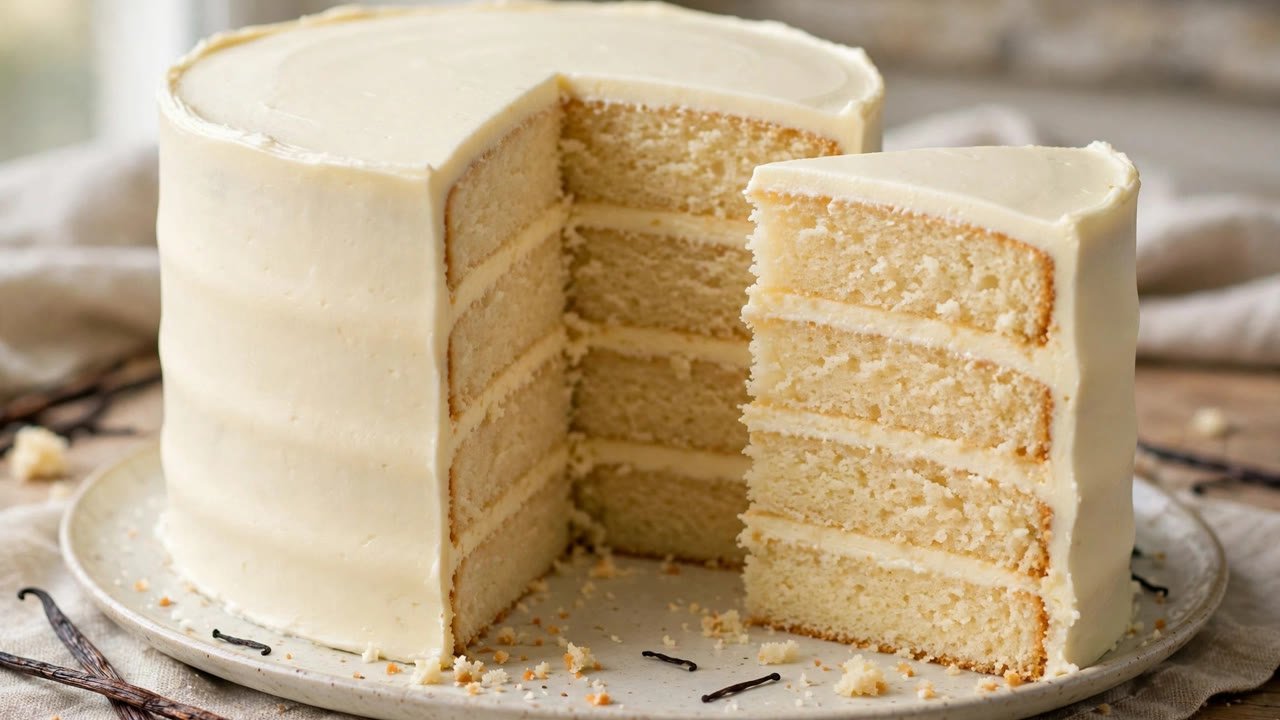
Few things are more disheartening than pulling a beautiful cake from the oven, only to watch the center sink. I’ve been there, and I know how frustrating it feels when your hard work collapses. Let’s fix that together.
In the next few minutes, you’ll learn the most common reasons cakes sink, how to rescue a fallen cake, and simple steps for a level top every time. I’ll share personal tricks and science-backed explanations you can use right away.
Key Takeaways
- Overmixing develops too much gluten, weakening the cake’s structure.
- An oven that’s too hot or too cool disrupts the rise.
- Opening the oven door before the cake sets releases heat and causes collapse.
- Expired baking powder or baking soda won’t lift the batter.
- Excess liquid or sugar weighs down the batter, preventing proper lift.
- High altitude requires adjustments to leavening, liquid, and temperature.
- Using an oven thermometer and proper pan prep eliminates guesswork.
- A sunken cake can be salvaged with frosting, fillings, or a creative trifle.
What Causes a Cake to Sink?
Let’s start with what happens inside the batter as it bakes. When you mix flour, liquid, eggs, and leavening, you create a network of gluten and bubbles that should expand evenly. If any part of that process is off, the center can’t support the weight and it sinks. The culprit is usually one of five factors: mixing technique, oven temperature, timing, ingredient freshness, or recipe balance. I’ll break each one down so you can spot it in your own kitchen.
The Science of Cake Structure
Cakes rely on a delicate foam created by beating air into butter and sugar or whipping eggs. This foam traps carbon dioxide released by baking powder or soda. As the cake heats, the gas expands, the starchize, and the proteins coagulate, locking in the volume. If the structure sets too early or too late, the center collapses.
Think of the batter as a scaffold. Too much gluten makes it rigid and prone to cracking; too little makes it unable to hold its shape. The oven’s heat must be steady enough to let the scaffold firm up before the gas escapes. Any disruption, like a cold spot or an opened door, can cause the scaffold to fall.
Overmixing the Batter
Overmixing is the first suspect. When you beat the batter too long, the gluten develops into a tough network that can’t stretch around the rising gas. Instead of expanding, the batter tears and the center falls.
I used to beat my cake batter until perfectly smooth, thinking that meant it was ready. I learned that a few small lumps are fine; they disappear during baking. Now I mix just until the dry ingredients are moistened, about 15 to 20 strokes with a spatula, and I stop.
Incorrect Oven Temperature
An oven that runs hot or cold is another frequent culprit. If the temperature is too high, the exterior sets quickly while the interior is still liquid, trapping steam that later escapes and leaves a void. If it’s too low, the batter spreads before it can set, causing a dense, sunken middle.
I keep an inexpensive oven thermometer on the middle rack. It revealed my oven was 25 degrees off from the dial setting. Baking by the thermometer’s reading instead of the dial cut my sunken cakes in half.
Opening the Oven Door Too Early
Sinking spikes when curiosity gets the best of us. Opening the door before the cake sets releases a burst of hot air, and the batter collapses under its own weight before it firms up. Now I set a timer and resist the urge to peek until at least two-thirds of the recommended bake time has passed. If I must check, I use the oven light and glance through the window.
Expired Leavening Agents
Stale baking powder or baking soda can also be the culprit. These chemicals lose their ability to produce carbon dioxide over time, especially if exposed to moisture. Without enough gas, the batter can’t lift properly and the center sinks.
I test my baking powder by dropping a teaspoon into hot water; vigorous bubbling means it’s active. Baking soda gets a splash of vinegar; fizz means it’s still good. I replace both every six months to be safe. For more detail on flat cakes, see why did my cake fall flat from King Arthur Baking.
Too Much Liquid or Sugar
Too much liquid is another common cause. Extra milk, buttermilk, or fruit puree adds weight, and too much sugar interferes with gluten formation and can delay setting.
When I want a moister cake, I reduce the liquid elsewhere, like cutting back on the oil, or I add a tablespoon of flour to balance. For sugar, I stick to the recipe’s weight and only adjust the leavening proportionally if I change it.
High Altitude Effects
Baking above 3,000 feet brings frequent sinking. Lower air pressure means gases expand faster and liquids evaporate quicker, which can cause the cake to rise too fast and then collapse.
At high altitude, I reduce the leavening by 1/8 teaspoon per teaspoon called for, raise the oven temperature by 15 to 25 degrees, and sometimes add an extra tablespoon of flour. These tweaks give the structure time to set before the gas escapes.
How to Fix a Sunken Cake
Even with the best precautions, a cake might still dip. Don’t toss it. There are delicious ways to rescue a sunken center.
Salvage Techniques
If the sink is shallow, simply level the top with a serrated knife and frost as usual. The frosting hides the imperfection and adds moisture. For a deeper well, fill it with flavored whipped cream, fruit compote, or a rich ganache before frosting.
I once turned a severely sunken chocolate cake into a trifle: I cubed the cake, layered it with chocolate pudding, whipped cream, and cherries, and served it in glasses. Nobody guessed it started as a failed bake.
Preventive Measures for Next Time
Sinking is avoidable when you adopt a few habits. First, measure ingredients by weight; volume measurements vary wildly. Second, preheat the oven fully and verify with a thermometer. Third, set a timer for the minimum bake time and avoid opening the door until then. Fourth, check leavening freshness monthly. Fifth, adjust recipes for altitude if you live above 3,000 feet.
I keep a small notebook beside my mixer where I jot down any changes I make, like reducing baking powder or raising the oven temperature. Over time I’ve built a personal reference guide that eliminates guesswork.
Recipe Adjustments for Different Cake Types
Not all cakes respond the same way to the usual fixes. Here’s how the usual suspects affect butter cakes, sponge cakes, and gluten-free varieties.
Butter Cakes
In butter cakes, sinking often stems from overcreaming the butter and sugar or adding eggs too quickly. Overcreaming incorporates too much air, which expands rapidly and then escapes, leaving a hole. Adding eggs slowly emulsifies the batter and stabilizes the foam.
I now cream butter and sugar for no more than two minutes, then add eggs one at a time, beating just until blended. This gives a tight, even crumb that holds its height. The same gentle creaming keeps my fluffy cinnamon rolls soft and lofty too.
Sponge Cakes
In sponge cakes, sinking is usually linked to under-whipped eggs or folding the flour too aggressively. The egg foam provides the lift; if it’s not stiff enough, the batter can’t support itself. Over-folding deflates the bubbles.
I whip eggs to stiff peaks, then sift the flour in three additions, folding each with a gentle spatula motion that lifts and turns. The batter stays airy, and the cake rises uniformly.
Gluten‑Free Cakes
In gluten-free baking, sinking often comes from an imbalance of starches and binders. Without gluten, you rely on xanthan gum or psyllium to provide structure. Too little leads to collapse; too much makes a gummy texture.
I use a blend of rice flour, tapioca, and potato starch, plus 1/4 teaspoon xanthan gum per cup of flour blend. I also increase the liquid slightly to compensate for the absorbency of the starches. The result is a tender crumb that stays level.
Expert Tips and Tools
Sinking becomes rare when you equip yourself with the right tools and habits.
An oven thermometer gives you a true reading, independent of the dial. Place it in the center of the rack and preheat for at least 20 minutes before baking.
If the thermometer shows a discrepancy, note the difference and adjust the dial. This simple tool has saved more of my cakes from sinking than anything else.
Proper Pan Preparation
Uneven heat can also come from the pan. I always grease the pan and dust with flour (or cocoa for chocolate cakes). For extra insurance, I line the bottom with parchment paper.
Dark pans absorb more heat and can overbake the edges while the center lags. I reduce the temperature by 10 degrees when using dark pans, and I check for doneness a few minutes earlier.
Cooling Racks
Sinking sometimes appears after the cake comes out of the oven, if it’s left in the pan too long. The trapped steam continues to cook the bottom, making it dense and prone to sinking.
Turn the cake out onto a wire rack after 10 minutes (or as the recipe directs) and let it cool completely before frosting. This stops residual heat from over-setting the structure.
Frequently Asked Questions
Why does my cake sink in the middle even though I followed the recipe exactly?
Small variations like oven temperature swings, old leavening, or overmixing can sink a cake even when you follow the recipe. Check your oven with a thermometer, mix just until combined, and make sure your baking powder and soda are fresh.
Can I fix a sunken cake after it has cooled?
Yes. Level a shallow dip with a serrated knife and frost as usual. Fill a deeper well with whipped cream, fruit, or ganache before frosting. Or cube the cake for a trifle and turn the mistake into dessert.
How does altitude affect baking, and what adjustments should I make?
At higher elevations, lower air pressure makes gases expand faster and liquids evaporate quicker, so cakes rise fast then collapse. Reduce leavening by 1/8 to 1/4 teaspoon per teaspoon, raise the oven temperature by 15 to 25 degrees, and add a tablespoon of flour per cup.
Should I measure ingredients by weight or volume for consistent results?
Weight is far more reliable. Cup measurements vary with how you scoop or pack. A digital kitchen scale removes the guesswork and gives you repeatable, level cakes every time.
A sunken cake is no longer a mystery. Watch your mixing, verify your oven temperature, respect the timer, keep your leavening fresh, and balance your recipe. Do that, and flat tops will turn into proud, even crowns. Trust the process, enjoy the bake, and share your success. For a bake that rarely sinks, try my classic banana bread recipe next.
About the Author
Luke is the home cook and writer behind Lumomint Foods. He spends his time testing comforting, practical recipes from around the world and writing them up in plain, easy language for everyday cooks.
1 thought on “Why Did My Cake Sink in the Middle? Common Baking Mistakes Solved”