
Japanese Mochi Explained
Mochi is a traditional Japanese rice cake known for its chewy texture and clean, subtle sweetness. It appears in everyday snacks, seasonal sweets, and ceremonial foods across Japan. Understanding mochi starts with its base ingredient, then expands into the many regional styles, fillings, and modern adaptations that exist today.
Easy Homemade Mochi
Ingredients
Equipment
Method
- Gather ingredients: Measure out glutinous rice flour, water, sugar, and your choice of filling.
- Mix glutinous rice flour, sugar, and water until smooth.
- Cover loosely and microwave for one minute. Stir well, then microwave again for 30 seconds. Repeat until the dough becomes thick, glossy, and elastic.
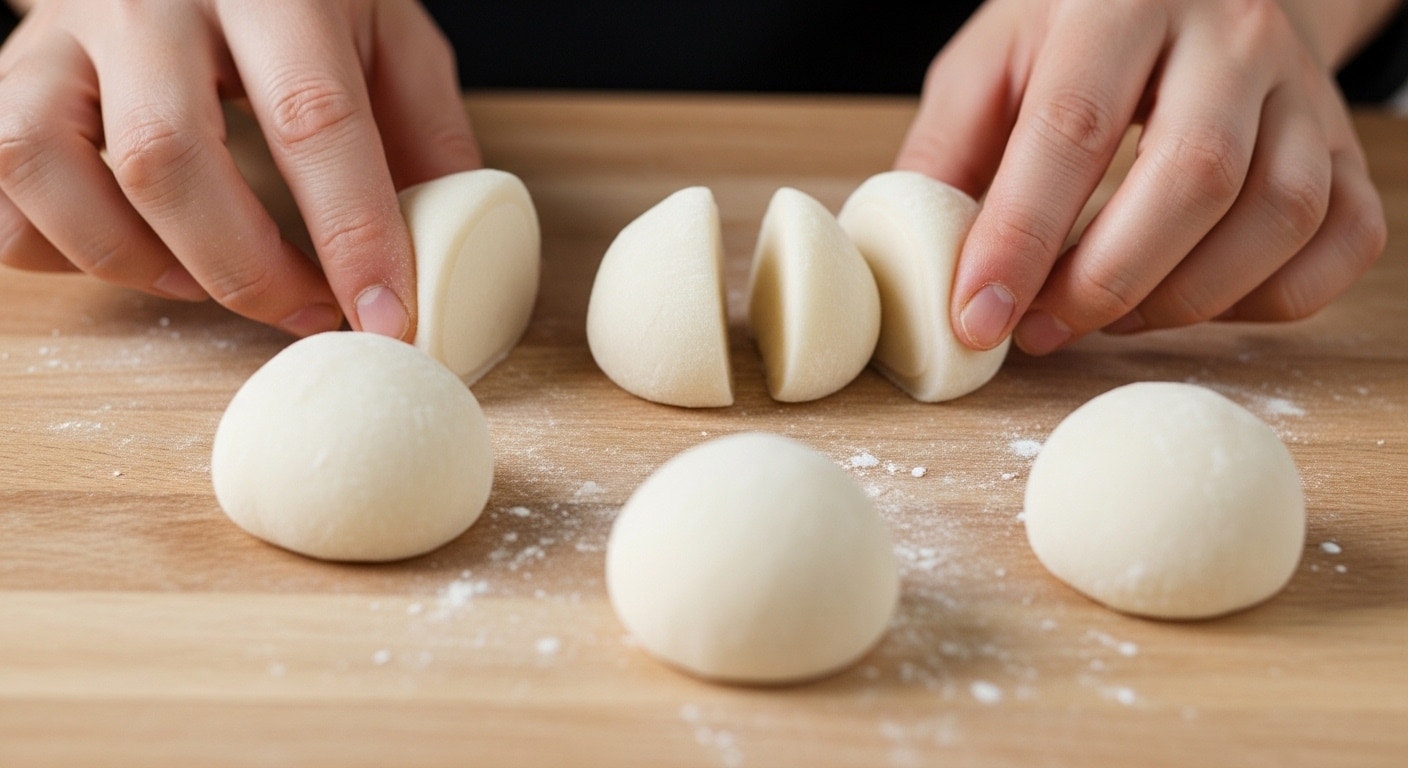
- Let cool slightly. Dust a surface with starch, turn out the dough, and divide into portions.
- Flatten each piece, add filling, and pinch closed. Shape gently and dust off excess starch.
Notes
What Is Mochi
Mochi is made from glutinous rice, called mochigome, that is steamed and pounded until it becomes smooth, elastic, and sticky. In Japan, mochi is valued for its texture as much as its flavor. Unlike baked desserts, mochi is about chew, stretch, and mouthfeel.
How Traditional Mochi Is Made
Traditionally, mochi is made through a process called mochitsuki, where steamed rice is pounded rhythmically with a wooden mallet in a stone mortar. This breaks down the rice grains and releases starches that create mochi’s signature elasticity. While ceremonial today, the same principle applies to modern home methods.
What Mochi Tastes Like
Plain mochi is mildly sweet and neutral, designed to carry fillings or toppings. Its flavor is intentionally subtle so it can pair with sweet red bean paste, fruit, ice cream, or even savory ingredients.
Main Types of Japanese Mochi
Mochi comes in many forms, each tied to season, region, or use.
Daifuku Mochi
Daifuku is the most common mochi variety. It is soft mochi wrapped around a filling, usually sweet red bean paste. Variations include strawberry daifuku and cream-filled versions. Daifuku is what most people imagine when they think of mochi.
Kusa Mochi
Kusa mochi is flavored and colored with yomogi, or Japanese mugwort. It has an earthy aroma and is commonly filled with anko. This type is associated with spring.
Kirimochi
Kirimochi is plain mochi formed into blocks or slabs. It is dried and used in soups like ozoni or grilled and eaten with soy sauce or sugar.
Dango
Dango is related to mochi but made from rice flour dough shaped into dumplings and skewered. It is chewier and less elastic than true mochi and often served with sweet sauces.
Warabi Mochi
Warabi mochi is not true rice mochi. It is made from bracken starch and has a jelly-like texture. It is commonly dusted with kinako and served chilled.
Popular Mochi Fillings Explained
Fillings define mochi’s personality. Traditional fillings remain dominant, but modern versions continue to expand.
Anko
Anko is sweet red bean paste made from azuki beans. Smooth anko is called koshi-an, while chunky paste is tsubu-an. This is the most traditional mochi filling.
White Bean Paste
Shiro-an is made from white beans and is milder and sweeter than red bean paste. It is often used in delicate or seasonal sweets.
Fruit Fillings
Fresh fruit, especially strawberries, paired with sweet bean paste creates contrast between juicy acidity and soft sweetness. Strawberry daifuku is one of the most popular modern mochi styles.
Cream and Ice Cream
Cream-filled and ice cream mochi are modern adaptations. While not traditional, they retain mochi’s chewy exterior while adding richness inside.
Savory Mochi Fillings
Savory mochi exists in dishes like ozoni soup or grilled mochi topped with soy sauce and seaweed. These versions highlight mochi’s neutral base rather than sweetness.
Is Mochi Gluten-Free
Mochi is naturally gluten-free because it is made from rice. However, cross-contamination can occur in packaged products, so labels should be checked when necessary.
Nutritional Overview
Mochi is high in carbohydrates and provides quick energy. It is filling despite its small size. Portion control matters, especially with sweet fillings.
Easy Mochi Recipe at Home
This method uses glutinous rice flour and does not require traditional pounding.
Ingredients
1 cup glutinous rice flour, ¾ cup water, ¼ cup sugar, cornstarch or potato starch for dusting, filling of choice.
Step-by-Step Method
Mix glutinous rice flour, sugar, and water until smooth. Cover loosely and microwave for one minute. Stir well, then microwave again for 30 seconds. Repeat until the dough becomes thick, glossy, and elastic. Let cool slightly. Dust a surface with starch, turn out the dough, and divide into portions. Flatten each piece, add filling, and pinch closed. Shape gently and dust off excess starch.
Texture Tips
The dough should stretch without tearing. If it feels dry, it is undercooked. If it feels runny, it needs more heating time.
Common Mistakes to Avoid
Using regular rice flour instead of glutinous rice flour will not work. Overfilling causes tearing. Skipping starch makes shaping nearly impossible.
How Long Homemade Mochi Lasts
Fresh mochi is best eaten the same day. It can be refrigerated briefly but hardens quickly. Filled mochi with cream should always be kept cold.
Cultural Importance of Mochi
Mochi is deeply tied to celebrations, especially New Year. It symbolizes longevity and good fortune. Even today, many families still prepare mochi seasonally rather than treating it as an everyday dessert.
Learning From Authentic Japanese Sources
Just One Cookbook explains traditional and modern mochi methods with clear technique guidance: https://www.justonecookbook.com/how-to-make-mochi/. NHK World Japan documents mochitsuki and the cultural role of mochi in Japanese life: https://www3.nhk.or.jp/nhkworld/. The Japanese Food Guide by MAFF offers official insight into traditional ingredients and food culture: https://www.maff.go.jp/e/.
Final Practical Insight
Mochi is defined by texture, not sweetness. Whether filled with beans, fruit, or cream, its appeal lies in the balance between chew and softness. Once the base technique is understood, mochi becomes one of the most adaptable and rewarding Japanese foods to make at home, and for more sweet treats, try our French Crème Brûlée or Homemade Donuts.
Frequently Asked Questions
Is mochi gluten-free?
Yes, mochi is naturally gluten-free because it’s made from glutinous rice flour, which contains no gluten. However, check labels for cross-contamination if you have celiac disease.
Can I make mochi without a microwave?
Yes, steam the dough for 15-20 minutes, stirring halfway, until thick and elastic.
Why is my mochi hard?
Mochi hardens as it cools. Eat fresh the same day, or soften by microwaving briefly.
About the Author
Luke is the home cook and writer behind Lumomint Foods. He spends his time testing comforting, practical recipes from around the world and writing them up in plain, easy language for everyday cooks.