
Shakshuka Variations
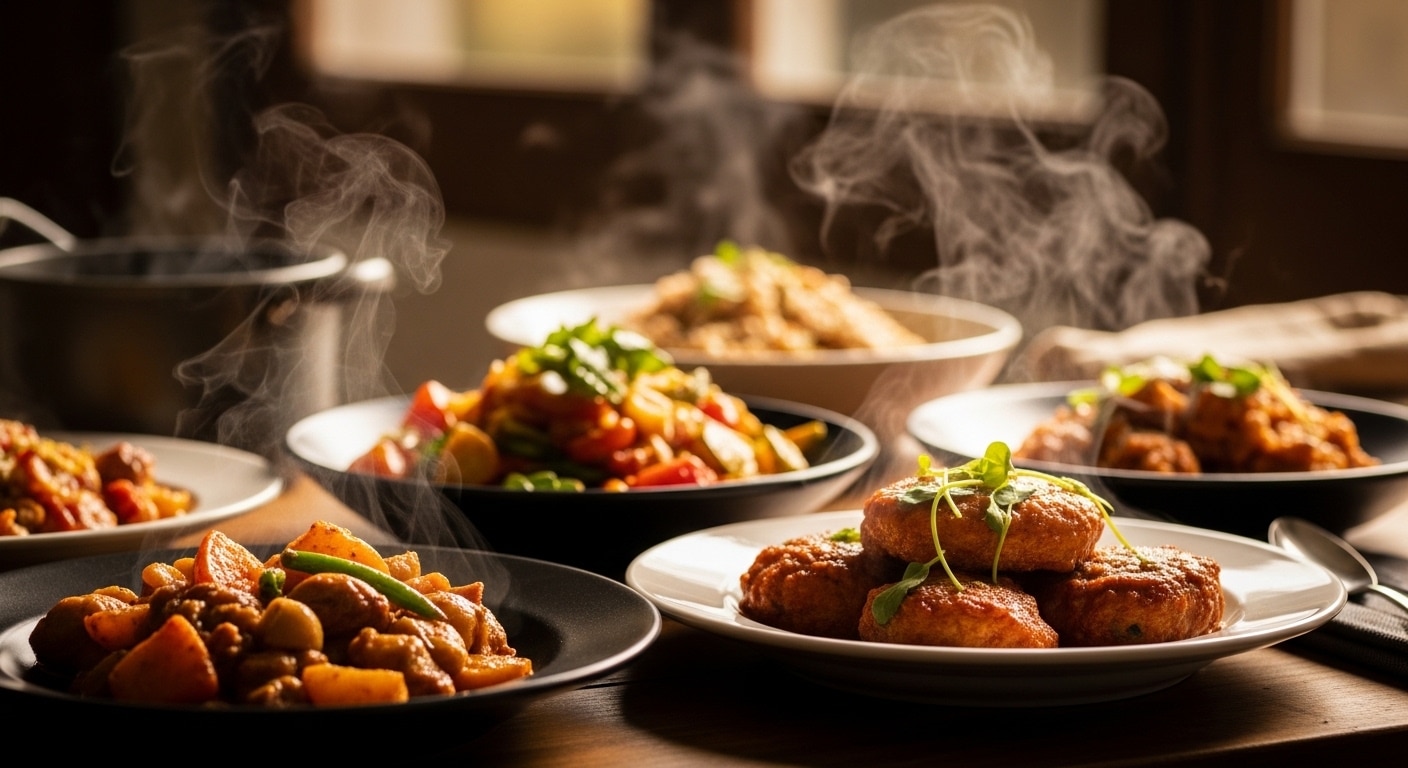
Shakshuka is a tomato-based egg dish that began as a humble skillet meal and evolved into a global favorite with countless regional interpretations. While the core idea remains eggs gently poached in a spiced sauce, cultures across the Middle East, North Africa, and Europe have adapted shakshuka to local ingredients, traditions, and flavor preferences.
Origins of Shakshuka
Shakshuka traces its roots to North Africa, particularly Tunisia, before spreading across the Middle East and into the Mediterranean. The name loosely translates to “a mixture,” which perfectly describes the dish’s flexible nature. As it traveled, cooks adapted the base with regional spices, vegetables, meats, and cheeses.
Classic Middle Eastern Shakshuka
In countries like Israel and Palestine, classic shakshuka features tomatoes, onions, garlic, cumin, and paprika. Eggs are cracked directly into the simmering sauce and cooked until the whites set and yolks remain slightly runny. It is typically served with fresh bread to soak up the sauce.
Tunisian Shakshuka With Harissa
Tunisian-style shakshuka is bolder and spicier, driven by harissa paste. It often includes peppers, preserved lemon, and sometimes lamb or merguez sausage. The heat is more pronounced, and the sauce is thicker, making it one of the most intense versions.
Moroccan Shakshuka With Vegetables
Moroccan shakshuka leans heavily on vegetables such as bell peppers, tomatoes, onions, and sometimes zucchini or eggplant. Spices like cumin, coriander, and mild chili are common. The result is aromatic rather than spicy, with a slow-cooked depth.
Turkish Menemen
In Turkey, shakshuka takes the form of menemen. Instead of poached eggs, beaten eggs are gently scrambled into tomatoes, peppers, and olive oil. It is softer, creamier, and often eaten for breakfast with crusty bread.
Lebanese and Syrian Shakshuka
Levantine versions focus on balance and freshness. Tomatoes are lighter, spices are restrained, and herbs like parsley are used generously. Some versions include chickpeas for added protein and texture, making it closer to a hearty stew.
Egyptian Shakshuka
Egyptian shakshuka is simpler and rustic, usually made with tomatoes, onions, green peppers, and cumin. Eggs are fully cooked, and the dish is often eaten as a quick, filling breakfast or lunch.
Greek Shakshuka With Feta
As shakshuka moved into Europe, Greece adapted it with Mediterranean flair. Greek-style shakshuka often includes feta cheese, olives, and oregano. The salty cheese balances the acidity of tomatoes, creating a richer, creamier finish.
Italian-Inspired Shakshuka
Italian versions use ingredients like cherry tomatoes, basil, garlic, and sometimes pancetta. Parmesan or pecorino may replace feta. The flavors resemble a rustic tomato sauce with eggs, blending shakshuka with classic Italian comfort food.
Spanish Shakshuka Variations
In Spain, shakshuka is sometimes influenced by pisto, a tomato and vegetable stew. Smoked paprika, peppers, and olive oil dominate, with eggs either poached or baked on top. It pairs naturally with crusty bread or potatoes.
French Ratatouille-Style Shakshuka
French-inspired shakshuka borrows from ratatouille, using eggplant, zucchini, tomatoes, and herbs de Provence. The sauce is softer and more aromatic, and eggs are baked gently in the vegetable base.
Modern European Brunch Shakshuka
Across Europe, shakshuka has become a brunch staple. Versions include spinach and cream, mushrooms and thyme, or even seafood. These adaptations stay true to the concept while embracing local produce and dining trends.
Why Shakshuka Adapts So Easily
Shakshuka works across cultures because it relies on pantry staples and welcomes improvisation. Tomatoes, eggs, spices, and vegetables exist in nearly every cuisine, allowing each region to shape the dish without losing its identity.
Choosing the Right Shakshuka Style
For bold heat, Tunisian shakshuka stands out. For comfort and creaminess, Turkish menemen is ideal. For cheese lovers, Greek-style versions shine. Vegetable-focused eaters often prefer Moroccan or French adaptations.
Shakshuka as a Global Dish
Shakshuka’s journey from North Africa to Europe shows how simple food evolves through migration and shared kitchens. Each variation reflects local taste while preserving the dish’s communal, one-pan spirit.
Shakshuka is no longer tied to one place or culture; it is a global comfort dish that continues to evolve wherever eggs meet tomatoes and spices in a hot pan.
Classic Shakshuka
Ingredients
Equipment
Method
- Heat olive oil in a large skillet over medium heat. Add onion and bell pepper and cook until softened, 5-7 minutes.
- Stir in garlic, cumin, paprika, and chili flakes. Cook for 1 minute until fragrant.
- Pour in crushed tomatoes. Season with salt and pepper. Simmer for 10-15 minutes until thickened.
- Make 4 wells in the sauce and crack an egg into each. Cover and cook for 5-8 minutes until whites are set but yolks are still runny.
- Garnish with fresh parsley or cilantro and feta cheese. Serve immediately with crusty bread.
Frequently Asked Questions
What is shakshuka?
Shakshuka is a North African and Middle Eastern dish of eggs poached in a spiced tomato sauce with onions, peppers, and warm spices like cumin and paprika. It is typically served with crusty bread for dipping. For a classic version, see this shakshuka recipe.
Can I make shakshuka ahead of time?
Yes. Prepare the tomato sauce up to 3 days in advance and refrigerate it. When ready to serve, reheat the sauce, make wells, and crack in fresh eggs. This makes it perfect for easy quick breakfasts or brunch gatherings.
What do you serve with shakshuka?
Crusty bread, pita, or challah are essential for scooping up the sauce and runny yolks. A simple green salad or eggs Benedict also pairs well for a fuller brunch spread.
Is shakshuka spicy?
It can be mild or spicy depending on your preference. The base recipe has gentle warmth from paprika and cumin. For more heat, add chili flakes, fresh chilies, or harissa paste, as in the Tunisian variation.
About the Author
Luke is the home cook and writer behind Lumomint Foods. He spends his time testing comforting, practical recipes from around the world and writing them up in plain, easy language for everyday cooks.
2 thoughts on “Shakshuka Variations”