
Classic Caesar Salad Recipe Explained
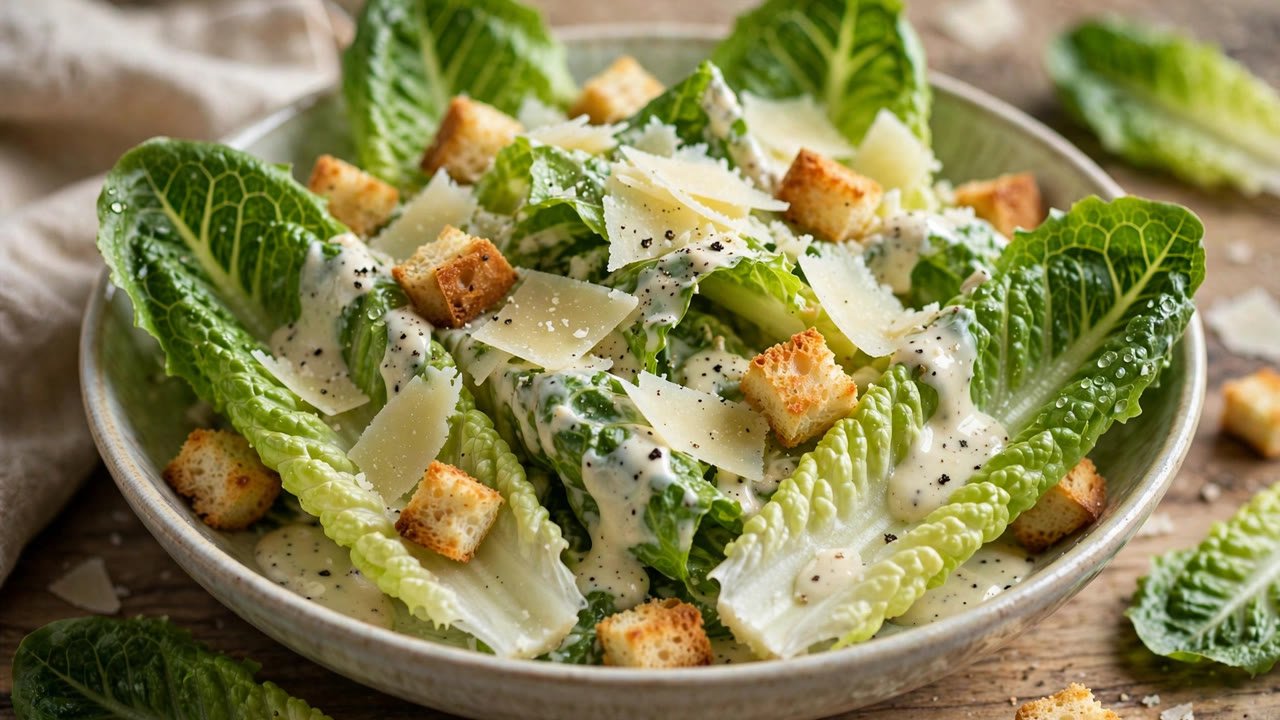
Looking for the perfect classic Caesar salad recipe that’s crisp, creamy, and bursting with bold flavor? You’ve come to the right place. This timeless dish—originally born in Tijuana in the 1920s by Italian immigrant Caesar Cardini—has become a global favorite for good reason. With its crunchy romaine, tangy dressing, savory Parmesan, and crispy croutons, it’s more than just a side salad—it’s a full sensory experience.
In this guide, we’ll walk you through every step of making an authentic classic Caesar salad from scratch. No shortcuts, no mayonnaise-heavy imitations—just the real deal, made with fresh ingredients and traditional techniques. Whether you’re cooking for a dinner party or craving a restaurant-quality meal at home, this recipe delivers every time.
What Makes a Classic Caesar Salad Authentic?
The classic Caesar salad isn’t just about throwing lettuce and dressing together. It’s a carefully balanced dish where each component plays a vital role. The foundation is crisp romaine hearts, torn—not chopped—to preserve texture. The dressing is rich, emulsified, and anchored by raw egg yolk, anchovies, and lemon juice. Croutons are golden and crunchy, and Parmesan shavings add a salty, umami depth.
Many modern versions stray from tradition by using bottled dressings, iceberg lettuce, or even grilled chicken (which, while delicious, turns it into a “Caesar wrap” or “chicken Caesar,” not the original). To honor the roots of this iconic salad, we stick to the classic formula: romaine, homemade dressing, garlic croutons, and freshly grated Parmigiano-Reggiano.
Authenticity also means technique. The dressing is traditionally made tableside, massaged directly into the leaves to coat them evenly. This method ensures every bite is flavorful without drowning the greens. It’s a ritual that transforms a simple salad into a culinary event.
Ingredients for a Perfect Classic Caesar Salad
Quality ingredients are non-negotiable when making a classic Caesar salad. Here’s what you’ll need for 4 servings:
| Ingredient | Amount | Notes |
|---|---|---|
| Romaine lettuce hearts | 3 large | Use crisp, fresh heads; avoid wilted or yellowed leaves |
| Extra-virgin olive oil | 1/3 cup | High-quality oil enhances flavor |
| Fresh lemon juice | 2 tablespoons | Freshly squeezed for bright acidity |
| Garlic | 1 large clove | Minced or grated; adds pungent depth |
| Anchovy fillets | 2–3 fillets | Essential for umami; mash into paste |
| Egg yolk (raw) | 1 large | Use pasteurized if concerned about food safety |
| Dijon mustard | 1 teaspoon | Adds sharpness and helps emulsify |
| Worcestershire sauce | 1/2 teaspoon | Boosts savory notes |
| Parmigiano-Reggiano | 1/2 cup, freshly grated | Shaved or grated; avoid pre-grated |
| Croutons | 1 cup | Homemade preferred; see recipe below |
| Black pepper | Freshly ground | To taste; essential for finishing |
Every ingredient serves a purpose. The raw egg yolk creates a velvety emulsion, while anchovies melt into the background, adding complexity without a fishy taste. Lemon juice cuts through the richness, and garlic provides a sharp, aromatic punch. Skip any of these, and you lose the soul of the dish.
Step-by-Step: How to Make Classic Caesar Salad Dressing
The dressing is the heart of the classic Caesar salad. Unlike store-bought versions, homemade dressing is creamy, balanced, and full of depth. Here’s how to make it the traditional way:
- Mash the anchovies and garlic: In a small bowl, combine 2–3 anchovy fillets and 1 large garlic clove. Use the side of a knife or a fork to mash them into a smooth paste. This step releases their flavor and ensures even distribution.
- Whisk in the egg yolk: Add 1 large egg yolk to the paste and whisk vigorously until smooth. The yolk acts as the emulsifier, binding oil and acid.
- Add mustard and lemon juice: Stir in 1 teaspoon Dijon mustard and 2 tablespoons fresh lemon juice. The mustard stabilizes the emulsion and adds tang.
- Incorporate Worcestershire: Add 1/2 teaspoon Worcestershire sauce for depth. This is a secret weapon in traditional recipes.
- Slowly drizzle in olive oil: While whisking constantly, slowly pour in 1/3 cup extra-virgin olive oil in a thin stream. This creates a thick, creamy dressing. If it gets too thick, add a teaspoon of water to loosen.
- Finish with cheese and pepper: Stir in 1/4 cup freshly grated Parmigiano-Reggiano and a generous grind of black pepper. Taste and adjust—more lemon for acidity, more anchovy for salt.
This dressing should be rich but not heavy, with a bright, savory flavor that clings to the lettuce. Avoid over-mixing once the oil is added, or the emulsion may break. If it does, don’t panic—whisk in a teaspoon of warm water to bring it back together.
Making Homemade Croutons: The Crispy Secret
Store-bought croutons often contain preservatives and lack the fresh, buttery crunch of homemade ones. For the ultimate classic Caesar salad, make your own:
- Cut the bread: Use day-old rustic bread (like ciabatta or sourdough). Cut into 1-inch cubes—about 4 cups.
- Toss with oil and garlic: In a bowl, combine bread cubes with 3 tablespoons olive oil, 1 minced garlic clove, and a pinch of salt. Toss until evenly coated.
- Bake until golden: Spread on a baking sheet and bake at 375°F (190°C) for 12–15 minutes, flipping halfway, until crisp and golden brown.
- Cool completely: Let croutons cool before adding to the salad. They’ll stay crunchy longer.
For extra flavor, brush the bread with melted butter mixed with garlic before baking. You can also add a sprinkle of dried oregano or thyme. Just don’t over-season—remember, the croutons should complement, not overpower, the salad.
Assembling the Perfect Classic Caesar Salad
Now comes the fun part: bringing it all together. The key to a great classic Caesar salad is technique. Follow these steps for restaurant-quality results:
- Prepare the romaine: Remove any tough outer leaves. Cut the hearts in half lengthwise, then tear into bite-sized pieces. Avoid chopping—tearing preserves the cell structure and prevents bruising.
- Chill the lettuce: Place torn romaine in a large bowl and refrigerate for 10–15 minutes. Cold lettuce stays crisp and absorbs dressing better.
- Add dressing gradually: Drizzle about half the dressing over the lettuce. Using clean hands or tongs, gently massage the dressing into the leaves. This coats them evenly without wilting.
- Toss and taste: Add more dressing as needed—aim for a light, glossy coat. Toss gently to combine.
- Add croutons and cheese: Sprinkle in the homemade croutons and half the Parmesan. Toss once more.
- Finish with flair: Transfer to a serving platter or individual plates. Top with remaining Parmesan shavings and a final grind of black pepper.
Serve immediately. A classic Caesar salad is best enjoyed fresh—croutons lose their crunch, and lettuce wilts if left too long. For a dramatic presentation, serve in a wooden bowl and garnish with extra anchovy fillets or lemon wedges.
Nutritional Benefits of a Classic Caesar Salad
Beyond its delicious taste, the classic Caesar salad offers several nutritional perks. Romaine lettuce is low in calories but high in vitamins A, K, and folate. It’s also a good source of fiber, supporting digestion.
The dressing, while rich, includes heart-healthy monounsaturated fats from olive oil. Anchovies provide omega-3 fatty acids and high-quality protein. Parmesan cheese adds calcium and protein, though it’s high in sodium—so enjoy in moderation.
Here’s a rough nutritional breakdown per serving (without added chicken or bacon):
- Calories: 280–320
- Fat: 26g (mostly unsaturated)
- Carbohydrates: 10g
- Fiber: 3g
- Protein: 8g
- Sodium: 500–600mg (mainly from cheese and anchovies)
To make it lighter, reduce the oil slightly or use half olive oil and half Greek yogurt. For a vegan version, substitute the egg yolk with silken tofu and use nutritional yeast instead of Parmesan. But remember—authenticity may be compromised.
Common Mistakes to Avoid
Even experienced cooks can stumble when making a classic Caesar salad. Here are the most common pitfalls—and how to avoid them:
- Using iceberg lettuce: Iceberg lacks the texture and flavor of romaine. Always use crisp romaine hearts.
- Overdressing the salad: Too much dressing makes the lettuce soggy. Start with less and add gradually.
- Skipping the anchovies: They’re not optional—they’re the secret to umami depth. If you’re anchovy-averse, start with just one fillet.
- Using bottled dressing: Pre-made dressings often contain sugar, preservatives, and lack freshness. Homemade is always better.
- Adding croutons too early: Toss them in just before serving to maintain crunch.
- Not chilling the lettuce: Cold greens stay crisp and enhance the eating experience.
Attention to detail separates a good Caesar from a great one. Take your time, taste as you go, and trust the process.
Key Takeaways
- The classic Caesar salad is built on four pillars: crisp romaine, creamy homemade dressing, crunchy croutons, and sharp Parmesan.
- Authentic dressing includes raw egg yolk, anchovies, garlic, lemon juice, Dijon mustard, Worcestershire sauce, and olive oil.
- Homemade croutons made from day-old bread deliver superior texture and flavor.
- Massage the dressing into the lettuce gently to coat without wilting.
- Serve immediately for the best texture and taste.
- Avoid common mistakes like using iceberg lettuce or bottled dressing.
FAQ: Classic Caesar Salad Recipe Explained
Can I make the dressing ahead of time?
Yes, but only up to 24 hours in advance. Store it in an airtight container in the refrigerator. Let it come to room temperature before using, and whisk well to re-emulsify. Avoid freezing—it will separate.
Is it safe to use raw egg yolk?
If you’re concerned about food safety, use pasteurized eggs. They’re widely available and eliminate the risk of salmonella. Alternatively, substitute 1 tablespoon mayonnaise for the egg yolk—though this slightly alters the traditional flavor.
Can I add chicken to make it a meal?
Absolutely. Grilled or roasted chicken breast transforms the classic Caesar salad into a hearty main course. Slice it thinly and add it just before serving. Just remember—it’s no longer the “classic” version, but a delicious variation.
Final Thoughts
The classic Caesar salad is more than a recipe—it’s a culinary tradition. From its humble beginnings in a Tijuana restaurant to its status as a global icon, this salad proves that simplicity, when executed with care, can be extraordinary.
By using fresh, high-quality ingredients and following traditional techniques, you can recreate the magic at home. Whether you’re impressing guests or treating yourself, this salad delivers bold flavor, satisfying crunch, and a touch of elegance.
So grab your romaine, sharpen your knife, and get ready to make the best classic Caesar salad of your life. Your taste buds—and your dinner table—will thank you. For a sweet finish, try our Turkish baklava or our no-churn ice cream. For a fresh Mediterranean option, try our Greek Salad too.
Classic Caesar Salad
Ingredients
Equipment
Method
- Prepare all ingredients: wash and thoroughly dry the romaine hearts, grate the Parmigiano-Reggiano, and measure out the dressing components.
- Mash anchovies and garlic into a paste. Whisk in egg yolk until smooth.
- Add Dijon mustard, lemon juice, and Worcestershire sauce. Stir to combine.
- Slowly drizzle in olive oil while whisking constantly to emulsify.
- Stir in Parmesan and black pepper. Taste and adjust seasoning.
- Toss chilled romaine with dressing. Add croutons and Parmesan. Serve immediately.
About the Author
Luke is the home cook and writer behind Lumomint Foods. He spends his time testing comforting, practical recipes from around the world and writing them up in plain, easy language for everyday cooks.