
How to Make Traditional Pesto Sauce
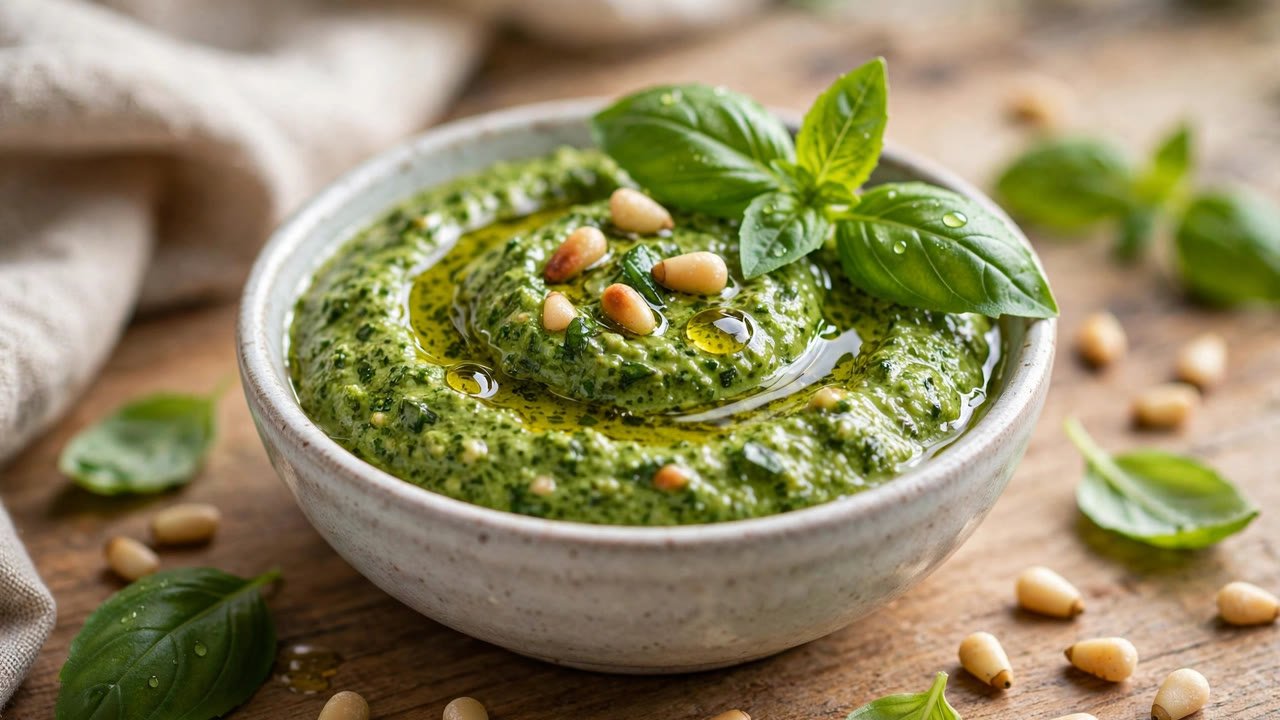
Imagine the vibrant green aroma of fresh basil, the sharp punch of garlic, the nutty richness of pine nuts, and the deep umami of aged Parmesan, all blended into one silky, flavorful sauce. That’s traditional pesto sauce: a timeless Italian classic that transforms simple pasta, grilled meats, or even crusty bread into a gourmet experience. If you’ve ever wondered how to make authentic pesto at home, you’re in the right place. This guide walks you through every step, from selecting the finest ingredients to mastering the technique, so you can create restaurant-quality pesto in your own kitchen.
Traditional Pesto Sauce (Pesto alla Genovese)
Ingredients
Equipment
Method
- Rinse 2 cups basil leaves, pat dry gently with a clean towel.
- Toast 1/4 cup pine nuts 1-2 minutes in a dry skillet over medium-low heat, stirring. Cool.
- Place 1 small garlic clove in a mortar with a pinch of coarse sea salt. Crush to a smooth paste.
- Add toasted pine nuts. Grind in a circular motion until a coarse paste forms.
- Add basil leaves gradually, crushing gently and working them into the mixture.
- Stir in 1/3 cup Parmigiano-Reggiano and 2 tbsp Pecorino Sardo until combined.
- Drizzle in 1/2 to 2/3 cup olive oil while stirring, until emulsified and glossy.
Notes
What Makes Pesto Sauce “Traditional”?
True traditional pesto sauce originates from Genoa, in the Liguria region of Italy. Known locally as pesto alla genovese, it’s a celebration of fresh, high-quality ingredients. Unlike modern variations that use blenders or food processors, the original method relies on a mortar and pestle to gently crush and emulsify the components. This slow, deliberate process preserves the delicate oils in the basil and prevents the garlic from becoming bitter.
The core ingredients are simple but non-negotiable: fresh basil leaves, extra-virgin olive oil, pine nuts, garlic, Parmigiano-Reggiano, and Pecorino Sardo. Each plays a vital role in building the sauce’s signature flavor profile. When made correctly, traditional pesto is bright, herbaceous, and deeply savory—never bitter or overpowering.
Essential Ingredients for Authentic Pesto
To make traditional pesto sauce, you’ll need just five key ingredients. Quality matters more than quantity here—opt for the freshest, highest-grade components you can find.
1. Fresh Basil Leaves
Use only Genovese basil, the sweet, aromatic variety native to Liguria. Avoid any leaves with dark spots or wilting. Rinse gently and pat completely dry to prevent dilution and browning.
2. Extra-Virgin Olive Oil
Choose a high-quality, cold-pressed olive oil with a fruity, slightly peppery finish. It should complement, not overpower, the basil. A Ligurian olive oil is ideal, but any premium Italian oil works well.
3. Pine Nuts
Traditional pesto uses pignoli, Italian pine nuts. They’re rich, creamy, and slightly sweet. Toast them lightly in a dry pan for 1 to 2 minutes to enhance their flavor, but watch closely to avoid burning.
4. Garlic
A single small clove is enough. Too much can dominate the sauce. Use fresh garlic, not powdered, and peel it carefully to remove the green sprout, which can add bitterness.
5. Cheeses
A blend of Parmigiano-Reggiano and Pecorino Sardo (a sharp Sardinian sheep’s milk cheese) gives pesto its complex, salty depth. Grate them finely just before using.
Tools You’ll Need
While modern kitchens often rely on blenders, the traditional method calls for a mortar and pestle. This stone tool allows you to crush ingredients gradually, releasing essential oils without generating heat that can damage the basil.
If you don’t have a mortar and pestle, a food processor can work in a pinch, but pulse gently and scrape down frequently to avoid over-processing. The texture should be coarse, not smooth like a purée.
You’ll also need:
- A sharp knife for mincing garlic
- A microplane or fine grater for cheese
- A small bowl for toasting pine nuts
- Airtight glass jars for storage
Step-by-Step Guide to Making Traditional Pesto Sauce
Follow these steps carefully to achieve the perfect balance of flavor and texture. Patience is key—rushing the process can ruin the sauce.
Step 1: Prepare the Basil
Rinse 2 cups of fresh basil leaves under cold water. Lay them on a clean kitchen towel and gently pat dry. Any moisture will dilute the oil and cause the pesto to oxidize faster.
Step 2: Toast the Pine Nuts
Heat a small skillet over medium-low heat. Add ¼ cup of pine nuts and toast for 1 to 2 minutes, stirring constantly, until lightly golden. Immediately transfer to a plate to stop cooking.
Step 3: Crush the Garlic
Place 1 small garlic clove in the mortar. Sprinkle with a pinch of coarse sea salt. Using the pestle, grind the garlic into a smooth paste. The salt helps break down the cell walls and mellows the raw bite.
Step 4: Add the Pine Nuts
Add the toasted pine nuts to the mortar. Continue grinding in a circular motion until they form a coarse paste with the garlic.
Step 5: Incorporate the Basil
Add half the basil leaves. Crush gently, working the leaves into the mixture. Once they begin to break down, add the remaining basil. Continue until all leaves are finely chopped and blended.
Step 6: Mix in the Cheeses
Add ⅓ cup of grated Parmigiano-Reggiano and 2 tablespoons of Pecorino Sardo. Stir well to combine.
Step 7: Emulsify with Olive Oil
Slowly drizzle in ½ to ⅔ cup of extra-virgin olive oil while stirring continuously. Add just enough to reach your desired consistency—thick but pourable. Taste and adjust seasoning with a pinch more salt if needed.
Tips for Perfect Pesto Every Time
Even with the right ingredients and tools, small mistakes can affect the outcome. Keep these pro tips in mind:
- Work in a cool environment: Heat causes basil to turn black. If your kitchen is warm, chill the mortar and pestle in the freezer for 10 minutes before starting.
- Use coarse salt: Fine table salt dissolves too quickly and can make the sauce overly salty. Sea salt or kosher salt is ideal.
- Don’t over-process: Whether using a mortar or food processor, stop once the ingredients are well combined. Over-blending creates heat and oxidizes the basil.
- Taste as you go: Pesto should be balanced: herby, nutty, salty, and slightly sharp. Adjust cheese or oil as needed.
- Serve immediately: Traditional pesto is best enjoyed fresh. The color and flavor degrade over time.
How to Store and Preserve Pesto
Fresh pesto lasts about 5 to 7 days in the refrigerator when stored properly. Transfer it to a clean glass jar and top with a thin layer of olive oil to create a seal that prevents oxidation.
For longer storage, freeze pesto in ice cube trays. Once frozen, transfer the cubes to a freezer bag. They’ll keep for up to 3 months. Thaw in the fridge before use.
Avoid freezing pesto with added pasta or dairy-heavy sauces, as they don’t freeze well. Keep the base sauce simple for best results.
Serving Suggestions for Traditional Pesto
While pesto is famously paired with pasta, especially trofie or linguine, its versatility shines in many dishes.
Classic Pesto Pasta
Cook 12 oz of pasta until al dente. Reserve ½ cup of pasta water. Toss hot pasta with ½ cup of pesto, adding pasta water gradually to create a silky sauce. Top with extra cheese and toasted pine nuts.
Grilled Proteins
Brush pesto onto chicken, fish, or shrimp during the last few minutes of grilling. It adds a fresh, aromatic glaze.
Vegetable Dips and Spreads
Mix pesto into Greek yogurt or ricotta for a quick dip. Spread on crostini or use as a sandwich spread with mozzarella and tomatoes.
Pizza Topping
Skip the tomato sauce and spread a thin layer of pesto on pizza dough. Add mozzarella, cherry tomatoes, and arugula after baking.
Nutritional Benefits of Pesto Sauce
Beyond its incredible taste, traditional pesto offers several health benefits thanks to its wholesome ingredients.
- Basil: Rich in antioxidants, vitamin K, and anti-inflammatory compounds.
- Olive oil: A source of heart-healthy monounsaturated fats and polyphenols.
- Pine nuts: Provide protein, healthy fats, and minerals like magnesium and zinc.
- Garlic: Known for immune-boosting and antimicrobial properties.
- Cheese: Adds calcium and protein, though in moderation due to sodium content.
A 2-tablespoon serving of traditional pesto contains approximately 100 to 120 calories, 10g of fat, and 2g of protein. It’s best enjoyed as part of a balanced diet.
Common Mistakes to Avoid
Even experienced cooks can stumble when making pesto. Here are the most frequent errors and how to fix them:
- Using old or wilted basil: Always use fresh, vibrant leaves. Brown or slimy basil ruins the flavor.
- Overloading on garlic: One small clove is plenty. More than that overwhelms the delicate basil.
- Skipping the salt in the mortar: Salt helps break down the garlic and enhances overall flavor.
- Using low-quality olive oil: Cheap oil tastes rancid and masks the other ingredients.
- Blending too long: Over-processing turns pesto bitter and dark. Pulse or grind just until combined.
Variations and Modern Twists
While traditional pesto is irreplaceable, creative variations can inspire new dishes. Try these popular adaptations:
- Sun-Dried Tomato Pesto: Replace half the basil with sun-dried tomatoes for a sweet-tangy twist.
- Walnut Pesto: Swap pine nuts for walnuts: more affordable and equally delicious.
- Spinach or Arugula Pesto: Add a handful of spinach or arugula for a peppery kick.
- Vegan Pesto: Use nutritional yeast instead of cheese for a dairy-free version.
- Red Pesto: Made with roasted red peppers, tomatoes, and almonds, popular in southern Italy.
These variations are great for dietary preferences or ingredient availability, but they’re not “traditional.” For authenticity, stick to the original recipe.
Key Takeaways
- Traditional pesto sauce is made with fresh basil, pine nuts, garlic, Parmigiano-Reggiano, Pecorino Sardo, and extra-virgin olive oil.
- The authentic method uses a mortar and pestle to preserve flavor and texture.
- Quality ingredients are essential: avoid substitutions for best results.
- Pesto is best served fresh but can be stored in the fridge or freezer.
- It pairs beautifully with pasta, grilled meats, vegetables, and more.
Frequently Asked Questions
Can I make pesto without a mortar and pestle?
Yes, you can use a food processor, but pulse gently to avoid overheating the basil. The texture will be slightly smoother, but still delicious. For best results, use short bursts and scrape down the sides often.
Why did my pesto turn black?
Basil oxidizes when exposed to air, especially if blended too much or stored without oil. To prevent this, top the pesto with a thin layer of olive oil and store in an airtight container. Using a mortar and pestle also helps minimize oxidation.
Can I freeze pesto with cheese?
Yes, but freeze it without added pasta or cream. The cheese may become grainy upon thawing, so it’s best to freeze the base sauce and add fresh cheese when serving. Use frozen pesto within 3 months for optimal flavor.
Final Thoughts
Making traditional pesto sauce is more than following a recipe: it’s about honoring a culinary tradition that celebrates simplicity, freshness, and flavor. With just a few high-quality ingredients and a little patience, you can create a sauce that’s vibrant, aromatic, and deeply satisfying. Whether you’re tossing it with pasta, spreading it on bread, or gifting it in a jar, homemade pesto brings a taste of Italy to your table. So grab your mortar and pestle, gather your ingredients, and start crushing. Your taste buds will thank you. If you love homemade condiments, try my authentic Lebanese garlic sauce toum and best homemade tomato soup recipe next. For a deeper dive into pesto technique, see Serious Eats’ best pesto alla Genovese.
About the Author
Luke is the home cook and writer behind Lumomint Foods. He spends his time testing comforting, practical recipes from around the world and writing them up in plain, easy language for everyday cooks.
3 thoughts on “How to Make Traditional Pesto Sauce”