
How to Make Traditional Spanish Churros at Home
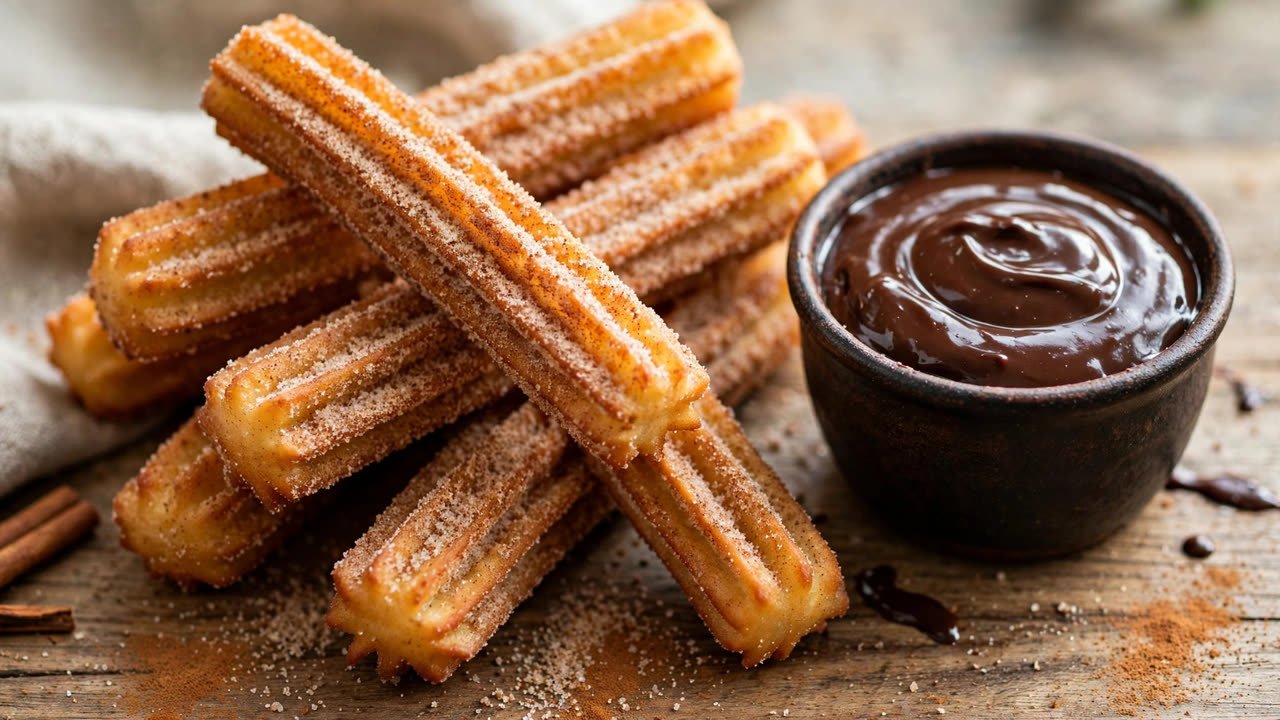
Imagine biting into a warm, golden churro fresh from the fryer, crispy on the outside, soft and airy within, dusted generously with cinnamon sugar. That’s the magic of traditional Spanish churros, a beloved treat enjoyed across Spain with a steaming cup of thick hot chocolate for dipping. Whether you’re celebrating a special occasion or simply craving something sweet, making authentic Spanish churros at home is easier than you think. This step-by-step guide walks you through every detail, from the perfect dough to frying techniques, so you can recreate this iconic Spanish street food in your own kitchen.
Traditional Spanish Churros
Ingredients
Method
- Prepare the Dough: In a medium saucepan, combine the water, butter, and salt. Bring to a boil over medium-high heat, stirring. Add flour, stir vigorously until dough forms a ball and pulls away from sides. Transfer to bowl, cool 5 minutes. Add eggs one at a time, mixing until smooth.
- Heat the Oil: Pour oil into heavy-bottomed pot to depth of at least 2 inches. Heat to 375°F (190°C). Use thermometer for accuracy.
- Pipe and Fry the Churros: Fit piping bag with large star tip, fill with warm dough. Hold bag vertically over oil, pipe 6-inch strips, cut with scissors. Fry 2-3 minutes per side until deep golden brown and crisp. Remove, drain on wire rack.
- Coat in Cinnamon Sugar: While churros are still warm, roll generously in cinnamon sugar mixture.
Notes
What Makes Spanish Churros Different?
Not all churros are created equal. While Mexican churros often use a slightly different dough and are sometimes filled, traditional Spanish churros are all about simplicity and texture. They’re made with a basic choux pastry, flour, water, butter, and salt, piped into hot oil and fried until crisp. Unlike their Latin American cousins, Spanish churros are typically longer, thinner, and unfilled, designed specifically for dunking into rich, velvety hot chocolate.
The secret lies in the dough consistency and frying temperature. Too soft, and they’ll fall apart; too firm, and they won’t puff properly. The ideal churro dough should be smooth, elastic, and hold its shape when piped. And while modern shortcuts exist, the most authentic versions rely on time-honored techniques passed down through generations.
Authentic Spanish Churros Recipe (Serves 4-6)
This recipe yields about 20-24 churros, perfect for a family breakfast or weekend brunch. It uses only five core ingredients and requires no special equipment beyond a piping bag and a heavy-bottomed pot.
Ingredients
| Ingredient | Quantity | Notes |
|---|---|---|
| Water | 1 cup (240ml) | Use filtered water for best results |
| Unsalted butter | 2 tablespoons (30g) | Room temperature or slightly softened |
| Salt | 1/2 teaspoon | Fine sea salt preferred |
| All-purpose flour | 1 cup (125g) | Sifted for smoother dough |
| Eggs | 2 large | At room temperature |
| Vegetable oil | For frying | Sunflower, canola, or peanut oil work best |
| Cinnamon sugar | 1/2 cup sugar + 1 tsp ground cinnamon | Mix well before use |
Equipment Needed
- Heavy-bottomed saucepan or Dutch oven
- Wooden spoon or silicone spatula
- Piping bag with large star tip (e.g., Wilton 1M)
- Deep-fry thermometer (optional but recommended)
- Slotted spoon or spider strainer
- Paper towels or wire rack for draining
Step-by-Step Instructions
1. Prepare the Dough
In a medium saucepan, combine the water, butter, and salt. Bring to a boil over medium-high heat, stirring occasionally until the butter is fully melted. Reduce the heat to low and add the sifted flour all at once. Stir vigorously with a wooden spoon until the mixture forms a smooth, cohesive ball that pulls away from the sides of the pan—this should take about 1–2 minutes.
Transfer the dough to a clean bowl and let it cool for 5 minutes. This step is crucial: if the dough is too hot, it will cook the eggs prematurely. Add the eggs one at a time, beating well after each addition until the dough becomes glossy and elastic. The final dough should be thick but pipeable—smooth enough to hold ridges from the piping tip.
2. Heat the Oil
Pour oil into your heavy-bottomed pot to a depth of at least 2 inches. Heat to 375°F (190°C). Use a thermometer for accuracy—this temperature ensures the churros puff up quickly without absorbing too much oil. If you don’t have a thermometer, test by dropping a small piece of dough into the oil; it should sizzle immediately and rise to the surface within seconds.
3. Pipe and Fry the Churros
Fit your piping bag with a large star tip and fill it with the warm dough. Hold the bag vertically about 1 inch above the hot oil. Pipe 4–6 inch lengths directly into the oil, using scissors to cut the dough cleanly. Work in batches of 3–4 churros to avoid overcrowding, which lowers the oil temperature and leads to greasy results.
Fry for 2-3 minutes per side, turning gently with a slotted spoon, until deep golden brown and crisp. The churros should float and puff significantly. Remove and drain on a wire rack or paper towels.
4. Coat in Cinnamon Sugar
While the churros are still warm, roll them generously in the cinnamon sugar mixture. The residual heat helps the sugar adhere beautifully. Serve immediately—churros are best enjoyed fresh and hot.
Tips for Perfect Traditional Spanish Churros
Achieving that authentic café-quality texture takes practice, but these expert tips will help you get it right on your first try.
Use Room Temperature Eggs
Cold eggs can cause the dough to seize or become lumpy. Always use eggs at room temperature for a smooth, homogeneous mixture.
Don’t Overmix After Adding Eggs
Once the eggs are incorporated, stop mixing. Overworking the dough can make the churros tough instead of light and airy.
Maintain Consistent Oil Temperature
Oil that’s too hot will burn the outside before the inside cooks. Too cool, and the churros will absorb oil and turn soggy. Keep the heat steady and fry in small batches.
Pipe Close to the Oil
Holding the piping bag too high can cause the dough to stretch and break. Keep it just above the surface for clean, even shapes.
Serve with Authentic Spanish Hot Chocolate
No churro experience is complete without thick, rich hot chocolate. Traditional Spanish hot chocolate is made with dark chocolate, milk, and cornstarch for a velvety, spoon-coating consistency—perfect for dunking.
Why This Recipe Stands Out
This recipe stays true to the roots of traditional Spanish churros, avoiding shortcuts like baking or pre-made mixes. The choux-based dough creates the signature hollow interior and crisp exterior that defines the authentic version. Unlike Americanized versions that may use baking powder or extra sugar in the dough, this recipe relies solely on steam and proper technique for lift and texture.
It’s also beginner-friendly. Even if you’ve never worked with choux pastry before, the step-by-step guidance ensures success. The ingredients are pantry staples, and the method is straightforward—no stand mixer or specialty tools required.
Nutritional Information (Per Serving)
One serving (approximately 3-4 churros) contains:
- Calories: 280
- Total Fat: 16g
- Saturated Fat: 4g
- Carbohydrates: 34g
- Sugars: 12g (from cinnamon sugar coating)
- Protein: 4g
- Sodium: 180mg
While churros are a treat best enjoyed in moderation, they’re a delightful part of Spanish culinary culture—especially when shared with loved ones.
Common Mistakes to Avoid
Even experienced cooks can run into issues when making churros. Here are the most common pitfalls and how to fix them.
Dough Too Sticky or Too Dry
If your dough is too sticky to pipe, let it cool slightly and add a teaspoon of flour. If it’s too dry and cracks when piped, beat in a few drops of water. The ideal texture should be smooth and pliable.
Churros Sinking or Not Puffing
This usually means the oil isn’t hot enough. Ensure it reaches 375°F before adding dough. Also, avoid stirring too much once the churros are in the oil—let them develop a crust before turning.
Greasy or Soggy Churros
Overcrowding the pot lowers the oil temperature. Fry in small batches and drain thoroughly on a wire rack (not just paper towels) to prevent steam from softening the exterior.
Serving Suggestions
While traditional Spanish churros are classically served with hot chocolate, there are other delicious ways to enjoy them:
- With a side of dulce de leche or caramel sauce
- Dipped in melted dark chocolate
- Alongside fresh fruit for a balanced breakfast
- As a dessert with a scoop of vanilla ice cream
In Spain, churros are often eaten for breakfast or as a late-night snack, especially during festivals and ferias. They’re also a staple at churrerías: dedicated churro shops found in nearly every town.
Can You Make Churros Ahead of Time?
Churros are best served fresh, but you can prepare the dough up to 2 hours in advance. Cover it tightly and let it come to room temperature before piping and frying. Avoid refrigerating the dough, as it can affect the texture.
If you must reheat leftover churros, place them on a wire rack in a 350°F (175°C) oven for 5-7 minutes. This restores some crispness, though they won’t be quite as good as freshly made.
Key Takeaways
- Traditional Spanish churros use a simple choux pastry made with water, butter, flour, eggs, and salt.
- The dough must be cooked on the stovetop before adding eggs to activate the starch and create the right texture.
- Fry at 375°F (190°C) in small batches for even cooking and maximum puff.
- Pipe close to the oil and use a star tip for the classic ridged appearance.
- Coat in cinnamon sugar while warm and serve immediately with thick hot chocolate.
- Avoid common mistakes like cold eggs, overcrowding the pot, or incorrect oil temperature.
Frequently Asked Questions
Can I bake churros instead of frying?
While baked churros are a healthier alternative, they won’t achieve the same crisp, golden texture as fried ones. Traditional Spanish churros rely on deep frying for their signature crunch and airy interior. If you prefer baking, expect a softer, more bread-like result—still tasty, but not authentic.
What’s the difference between Spanish and Mexican churros?
Spanish churros are longer, thinner, and unfilled, made with choux pastry and served with hot chocolate. Mexican churros are often thicker, sometimes filled with caramel or chocolate, and may use a slightly different dough with added sugar or baking powder. Both are delicious, but the Spanish version is lighter and more delicate.
Can I freeze churro dough?
Yes, you can freeze the uncooked dough for up to 1 month. Pipe the shapes onto a parchment-lined tray, freeze until solid, then transfer to a freezer bag. When ready to cook, fry directly from frozen—just add 30–60 seconds to the frying time. Do not thaw first.
Final Thoughts
Making traditional Spanish churros at home is a rewarding experience that brings a taste of Spain to your kitchen. With just a few simple ingredients and careful technique, you can recreate the crispy, cinnamon-dusted treats loved by millions. Whether you’re hosting a brunch, celebrating a holiday, or simply treating yourself, these churros are sure to impress. Pair them with a rich cup of hot chocolate, close your eyes, and savor the warmth and tradition in every bite.
About the Author
Luke is the home cook and writer behind Lumomint Foods. He spends his time testing comforting, practical recipes from around the world and writing them up in plain, easy language for everyday cooks.
1 thought on “How to Make Traditional Spanish Churros at Home”