
Best Homemade Mashed Potatoes
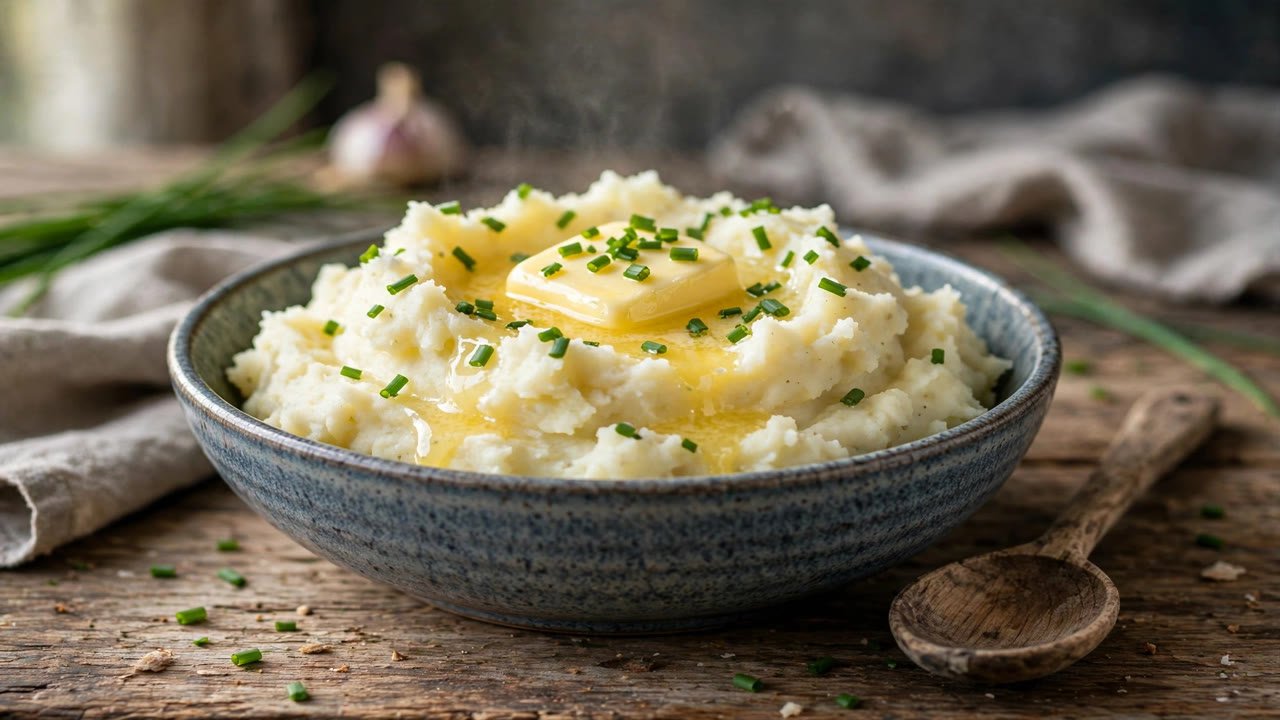
There’s something deeply comforting about a bowl of warm, velvety homemade mashed potatoes. Whether it’s a holiday feast, a weeknight dinner, or just a craving for cozy comfort food, nothing beats the rich, buttery goodness of perfectly mashed spuds made from scratch. If you’ve ever wondered how to make the <strong>best homemade mashed potatoes</strong>, creamy, smooth, and full of flavor, you’re in the right place. This guide delivers a foolproof recipe, pro tips, and all the secrets real home cooks use to turn humble potatoes into a side dish everyone fights over.
Best Homemade Mashed Potatoes
Ingredients
Equipment
Method
- Bring water to a boil: Fill a large pot with cold salted water and bring to a boil over high heat.
- Choose and prep: Scrub 2 lbs Russet potatoes, peel, cut into 1 1/2-inch chunks. Place in cold salted water.
- Cook until fork-tender: Boil, then simmer 15 to 20 minutes. Drain well, let steam 1 to 2 minutes.
- Warm your dairy: Warm 1/2 cup milk or cream in a saucepan over low heat.
- Mash and blend: Return potatoes to pot, add butter, mash. Gradually add warm cream, stirring gently. Season with salt and pepper.
Notes
Why Homemade Mashed Potatoes Beat Store-Bought Every Time
Let’s be honest: boxed or instant mashed potatoes might save time, but they can’t compete with the real thing. Homemade versions offer superior texture, richer flavor, and total control over ingredients, with no mystery additives or artificial flavors. For more pro tips, see <a href=”https://www.seriouseats.com/classic-mashed-potatoes-recipe”>Serious Eats’ classic mashed potatoes guide</a>, and pair with our <a href=”https://lumomint.com/classic-french-onion-soup-recipe-a-rich-comforting-bowl-of-tradition/”>French Onion Soup</a> for the ultimate comfort meal.
The difference starts with the potatoes. Russets are the gold standard for fluffy mashed potatoes because of their high starch and low moisture content. Yukon Golds, on the other hand, bring natural creaminess and a buttery hue thanks to their waxy texture. Many top chefs actually blend the two for the ultimate balance of fluffiness and richness.
Then there’s the method. Boiling, steaming, or even roasting before mashing affects the final texture. And let’s not forget the dairy—milk, cream, butter, sour cream, or even cream cheese can elevate your mash from good to extraordinary. When you make them at home, you’re not just cooking—you’re crafting a dish that reflects your taste and care.
Ingredients for Perfect Homemade Mashed Potatoes
The beauty of this recipe lies in its simplicity. You don’t need fancy tools or hard-to-find ingredients. Just a few quality staples, and you’re set.
| Ingredient | Amount | Why It Matters |
|---|---|---|
| Russet Potatoes | 2 lbs (about 4 large) | High starch = light, fluffy texture |
| Unsalted Butter | ½ cup (1 stick), softened | Adds richness and smooth mouthfeel |
| Whole Milk or Heavy Cream | ½ to ¾ cup, warmed | Warm liquid prevents gluey texture |
| Salt | 1½ tsp (plus more for water) | Enhances natural potato flavor |
| Black Pepper | ½ tsp, freshly ground | Adds subtle warmth and depth |
| Optional: Garlic (roasted or minced) | 2 cloves | For savory, aromatic twist |
Pro tip: Always use unsalted butter so you can control the salt level. And warming your milk or cream before adding it is a game-changer—cold liquid shocks the potatoes, leading to a gummy, dense mash.
Step-by-Step Guide to Creamy Homemade Mashed Potatoes
1. Choose and Prep Your Potatoes
Start with 2 pounds of Russet potatoes (or a mix with Yukon Golds). Scrub them clean under cold water—no need to peel unless you prefer it. Leaving the skin on adds fiber and a rustic texture, but for ultra-smooth mash, peeling is best.
Cut the potatoes into even 1½-inch chunks. Uniform size ensures they cook at the same rate. Place them in a large pot and cover with cold water by about an inch. Add 1 teaspoon of salt to the water—this seasons the potatoes from the inside out.
2. Cook Until Fork-Tender
Bring the water to a boil over high heat, then reduce to a gentle simmer. Cook for 15–20 minutes, or until a fork slides in easily without resistance. Overcooking leads to waterlogged potatoes, which make soggy mash. Undercooking? Lumpy and hard.
Drain the potatoes thoroughly in a colander. Let them sit for 1–2 minutes to steam off excess moisture. This step is crucial—any leftover water will dilute your butter and cream, ruining the texture.
3. Warm Your Dairy
While the potatoes drain, warm ½ cup of milk or cream in a small saucepan over low heat. You can also microwave it for 30–45 seconds. The goal is body-temperature liquid—hot enough to melt butter, but not scalding.
If using roasted garlic, now’s the time to mash it into the warm cream with a fork. This infuses the dairy with deep, sweet garlic flavor without raw bite.
4. Mash and Blend
Return the drained potatoes to the warm pot (off the heat). Add the softened butter and let it melt slightly from the residual heat. Use a potato masher, ricer, or fork to break them down roughly.
Gradually pour in the warm cream, stirring gently with a wooden spoon or spatula. Over-mixing activates starch, leading to gluey potatoes. Stop as soon as everything is incorporated and creamy.
Season with salt and pepper to taste. Remember: potatoes need more salt than you think! Taste and adjust before serving.
Pro Tips for Flawless Mashed Potatoes
Even with the right recipe, small tweaks make a big difference. Here’s how the pros do it:
- Rice your potatoes: A potato ricer creates fine, fluffy granules that absorb butter and cream evenly. No lumps, no glue.
- Use a double boiler: For extra-smooth mash, place the pot over simmering water and stir gently. This keeps them warm without drying out.
- Add fat first: Always incorporate butter before liquid. Fat coats the starch, preventing stickiness.
- Don’t skip the rest: Letting cooked potatoes sit for a minute after draining removes surface moisture.
- Warm your serving bowl: Cold dishes cool mashed potatoes too fast. A pre-warmed bowl keeps them hot and creamy longer.
Flavor Variations to Elevate Your Mash
Once you’ve mastered the classic version, it’s time to get creative. These variations keep your mashed potatoes exciting, whether you’re feeding picky kids or impressing dinner guests.
Garlic Herb Mashed Potatoes
Sauté 3 minced garlic cloves in 1 tbsp butter until fragrant. Stir into the mash with 2 tbsp chopped fresh chives, parsley, or thyme. The herbs add brightness that cuts through the richness.
Sour Cream & Chive Mash
Fold in ¼ cup sour cream after adding the cream. It adds tang and extra creaminess. Top with extra chives and a sprinkle of crispy bacon bits for a pub-style twist.
Loaded Baked Potato Style
Mix in shredded cheddar, crumbled bacon, and a dollop of sour cream. Serve in individual ramekins and broil for 2 minutes until bubbly and golden. Pure indulgence.
Vegan Mashed Potatoes
Swap butter for vegan butter or olive oil. Use unsweetened oat or almond milk, warmed. Add nutritional yeast for a cheesy flavor. Still creamy, still delicious—just plant-based.
Common Mistakes to Avoid
Even experienced cooks can stumble. Here’s what not to do:
- Using cold dairy: It cools the potatoes and creates lumps.
- Over-mixing: Vigorous stirring turns mash gummy. Fold gently.
- Wrong potato type: Waxy potatoes like red or fingerling hold too much water—great for salads, not mash.
- Salting at the end only: Seasoning the cooking water builds flavor from within.
- Peeling after cooking: Hot, wet potatoes are slippery and hard to peel. Do it before boiling.
Make-Ahead and Storage Tips
Great news: homemade mashed potatoes can be made ahead! Here’s how to keep them fresh and delicious:
Cook and mash as usual. Transfer to an airtight container and press plastic wrap directly onto the surface to prevent a skin from forming. Refrigerate for up to 3 days.
To reheat, place in a saucepan over low heat. Add a splash of warm milk or cream and stir gently until heated through. Or microwave in 30-second intervals, stirring in between.
For longer storage, freeze in portion-sized containers for up to 2 months. Thaw overnight in the fridge before reheating. The texture may be slightly softer, but still tasty.
Pairing Ideas for the Perfect Meal
Mashed potatoes are the ultimate sidekick. They shine alongside:
- Roast chicken or turkey
- Meatloaf or pot roast
- Grilled steaks or pork chops
- <a href=”https://lumomint.com/the-ultimate-recipe-for-fish-and-chips/”>Fried fish</a> or chicken tenders
- Vegetarian stews or lentil loaf
They also work beautifully in casseroles—think shepherd’s pie or twice-baked potatoes. And don’t forget breakfast: top with a fried egg and chives for a hearty brunch.
Key Takeaways
- Use Russet or Yukon Gold potatoes for the best texture.
- Warm your dairy before adding to prevent lumps.
- Salt the cooking water for deeper flavor.
- Mash gently—overworking leads to gluey results.
- Customize with herbs, cheese, garlic, or sour cream.
- Make ahead and reheat with a splash of cream for fresh taste.
Frequently Asked Questions
Can I make mashed potatoes without a mixer or ricer?
Absolutely! A potato masher or even a fork works fine. The key is to drain well and avoid over-mixing. For extra smoothness, press through a fine-mesh sieve.
Why are my mashed potatoes gluey?
This usually happens from over-mixing or using cold dairy. Stir gently and always warm your milk or cream first. Also, don’t use a food processor—it pulverizes the starch.
Can I use milk instead of cream?
Yes! Whole milk works well. For richer results, use half milk and half cream. Avoid skim milk—it lacks the fat needed for creaminess.
How do I keep mashed potatoes warm for a party?
Transfer to a slow cooker on the “warm” setting. Stir occasionally and add a little extra cream if they thicken. Or use a chafing dish over a water bath.
Final Thoughts: The Heart of Homemade Comfort
The best homemade mashed potatoes aren’t just about taste, they’re about tradition, care, and the joy of sharing a meal made with your own hands. With the right potatoes, a few quality ingredients, and a little attention to technique, you can create a side dish that’s creamy, dreamy, and deeply satisfying.
Whether you’re serving them at Thanksgiving, a casual Sunday roast, or just because it’s Tuesday and you deserve comfort food, this recipe delivers every time. So grab your potatoes, warm up that butter, and get mashing. Your taste buds—and your family—will thank you.
About the Author
Luke is the home cook and writer behind Lumomint Foods. He spends his time testing comforting, practical recipes from around the world and writing them up in plain, easy language for everyday cooks.
1 thought on “Best Homemade Mashed Potatoes”