
How to Make Perfect Scrambled Eggs
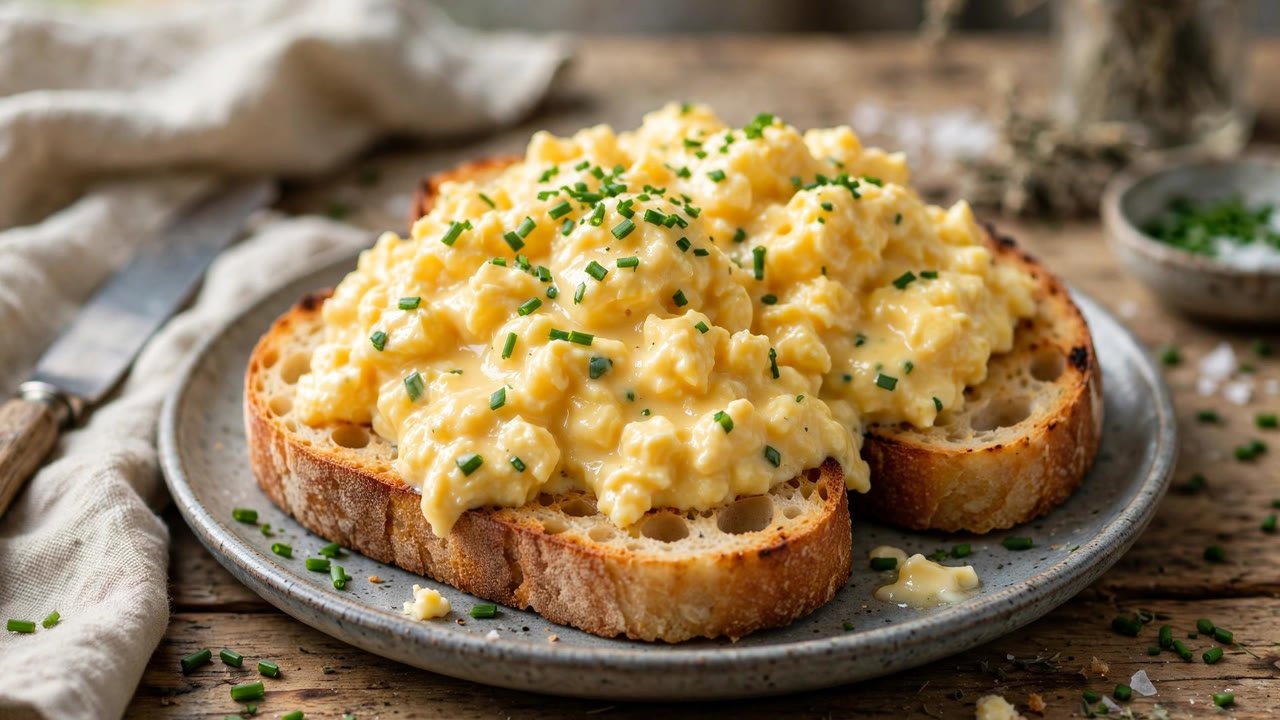
Who doesn’t love a plate of creamy, fluffy scrambled eggs in the morning? Yet, despite its simplicity, making perfect scrambled eggs is an art many home cooks struggle with. Overcooked, rubbery, or watery eggs are all too common—but they don’t have to be. With the right technique, ingredients, and a little patience, you can master how to make perfect scrambled eggs every single time. Whether you’re cooking for one or feeding a family, this guide will transform your breakfast game with foolproof steps, expert tips, and a recipe that delivers restaurant-quality results from your own kitchen.
Perfect Scrambled Eggs
Ingredients
Equipment
Method
- Prep your eggs and tools: crack 4 eggs into a bowl and beat them lightly with a fork, and set a nonstick skillet and silicone spatula by the stove.
- Crack and Whisk: Crack 4 eggs into a bowl. Add a pinch of salt and whisk vigorously for 30 to 60 seconds until well beaten and slightly frothy. Add 2 tablespoons milk or cream.
- Preheat the Pan: Place nonstick skillet over low to medium-low heat. Add 1 tablespoon butter and let melt slowly until foamy but not browned.
- Cook Low and Slow: Pour the egg mixture into the pan. Let it sit for 10 to 15 seconds, then begin stirring gently with a silicone spatula, pushing eggs from edges toward center.
- Fold Gently: Continue folding the eggs every 10 to 15 seconds. As they begin to set, reduce heat further. Avoid constant stirring to form soft, pillowy curds.
- Finish and Serve: Remove the pan from heat when eggs are creamy and just set (still slightly wet). Season with freshly ground black pepper. Serve immediately.
Why Perfect Scrambled Eggs Matter
Scrambled eggs are a breakfast staple, but their simplicity can be deceiving. A truly perfect scramble isn’t just about cracking eggs into a pan—it’s about texture, flavor, and consistency. When done right, each bite should be soft, custardy, and rich, with no browning or dry edges. The difference between good and great scrambled eggs often comes down to heat control, timing, and a few secret techniques that professional chefs use daily.
Many people rush the process, crank up the heat, or skip essential steps like whisking thoroughly or adding dairy. But perfection lies in the details. By understanding the science behind egg proteins and how they react to heat, you can avoid common pitfalls and create a dish that’s not just satisfying, but truly exceptional.
The Secret Ingredients for Perfect Scrambled Eggs
You don’t need fancy ingredients to make perfect scrambled eggs, just a few high-quality staples. The key is using fresh eggs, the right kind of fat, and a touch of dairy for creaminess. Here’s what you’ll need:
- Fresh eggs: Preferably free-range or pasture-raised for richer flavor and brighter yolks.
- Butter: Unsalted is best so you can control the salt. Butter adds richness and prevents sticking.
- Milk or cream: A splash of whole milk, half-and-half, or heavy cream makes eggs tender and luxurious.
- Salt: Added early to help break down proteins and enhance flavor.
- Pepper: Freshly ground black pepper adds a subtle kick.
Optional but recommended: a pinch of chives or parsley for freshness, or a dollop of crème fraîche at the end for extra silkiness.
Egg Quality Makes a Difference
Not all eggs are created equal. Fresh, high-quality eggs have firmer whites and richer yolks, which translate to better texture and taste. If possible, buy eggs from local farms or choose brands labeled “pasture-raised” or “omega-3 enriched.” These eggs often have a deeper yellow or even orange yolk, signaling higher nutrient content and better flavor.
Avoid eggs that are close to their expiration date. Older eggs tend to have thinner whites, which can lead to watery scrambled eggs. For the best results, use eggs within a week of purchase.
Equipment You’ll Need
You don’t need professional gear, but the right tools make a big difference. Here’s what works best:
- Nonstick skillet: Essential for easy cooking and cleanup. A 10-inch pan is ideal for 2 to 4 eggs.
- Silicone spatula: Flexible and heat-resistant, perfect for gentle folding.
- Whisk or fork: For beating eggs evenly.
- Bowl: To mix ingredients before cooking.
- Low to medium-low heat source: Crucial for slow, even cooking.
Avoid using stainless steel pans unless you’re experienced—they require more fat and precise heat control to prevent sticking.
Step-by-Step: How to Make Perfect Scrambled Eggs
Now that you have your ingredients and tools ready, let’s walk through the process. This method ensures creamy, fluffy, and perfectly cooked scrambled eggs every time.
Step 1: Crack and Whisk the Eggs
Crack 2 to 3 eggs per person into a bowl. Add a pinch of salt and whisk vigorously for 30 to 60 seconds. You want to fully combine the yolks and whites until the mixture is uniform and slightly frothy. This step incorporates air, which helps create a lighter texture.
Add 1 tablespoon of milk or cream per egg. This isn’t just for richness, it also lowers the cooking temperature of the eggs, preventing them from becoming tough. Whisk again until smooth.
Step 2: Preheat the Pan
Place your nonstick skillet over low to medium-low heat. Add 1 tablespoon of butter and let it melt slowly. The butter should foam slightly but not brown. If it starts to sizzle aggressively, your heat is too high.
Pro tip: Cold butter melts more evenly. If you drop in a cold pat, it will coat the pan gradually, reducing the risk of burning.
Step 3: Cook Low and Slow
Pour the egg mixture into the pan. Let it sit for 10 to 15 seconds, then begin stirring gently with your silicone spatula. Use a folding motion, scrape from the edges toward the center, creating soft curds.
Keep the heat low. The goal is to cook the eggs slowly, allowing them to set gradually without browning. This is the most important step in making perfect scrambled eggs. Rushing with high heat will dry them out.
Step 4: Fold, Don’t Stir Aggressively
Continue folding the eggs every 10 to 15 seconds. As they begin to set, reduce the heat even further or lift the pan off the burner occasionally to control temperature. The eggs are done when they’re just barely set but still look slightly wet. They’ll continue cooking from residual heat.
Avoid constant stirring. Letting the eggs sit briefly between folds helps form soft, pillowy curds.
Step 5: Finish and Serve Immediately
Once the eggs are creamy and just set, remove the pan from the heat. Season with freshly ground black pepper and any optional herbs. Serve immediately on a warm plate.
Perfect scrambled eggs wait for no one—they’re best enjoyed hot and fresh.
Pro Tips for Flawless Scrambled Eggs
Even with the right method, small adjustments can elevate your eggs from good to extraordinary. Here are some expert-backed tips:
- Cook on low heat: This is non-negotiable. High heat causes proteins to tighten too quickly, resulting in rubbery eggs.
- Don’t over-whisk: While thorough mixing is important, whipping too hard can incorporate too much air, leading to a foamy texture.
- Add salt early: Salting before cooking helps break down proteins, leading to a more tender result. Contrary to old myths, it won’t make eggs watery.
- Use a timer: Scrambled eggs cook fast. Set a timer for 3 to 5 minutes total cooking time to avoid overcooking.
- Finish with butter: Stir in a small pat of cold butter at the end for extra richness and shine.
The French vs. American Style
There are two main styles of scrambled eggs: French and American. French-style eggs are cooked very slowly, resulting in tiny, creamy curds with a custard-like texture. American-style eggs are cooked a bit faster, with larger, fluffier curds.
This recipe leans toward the French method—ideal for those who love rich, velvety eggs. If you prefer a lighter, fluffier texture, increase the heat slightly and stir more frequently.
Common Mistakes to Avoid
Even experienced cooks make these errors. Avoid them to ensure your scrambled eggs are always perfect:
- Using high heat: This is the #1 mistake. It leads to dry, rubbery eggs.
- Skipping the dairy: Milk or cream adds moisture and tenderness.
- Overcooking: Eggs continue to cook after removal from heat. Remove them when still slightly underdone.
- Not preheating the pan: A cold pan causes uneven cooking and sticking.
- Using old eggs: Fresh eggs hold their shape better and taste richer.
Another common error is adding fillers like cheese or vegetables too early. If you want to include mix-ins, add them in the last 30 seconds of cooking to prevent excess moisture.
How to Customize Your Perfect Scrambled Eggs
Once you’ve mastered the basics, feel free to get creative. Here are some delicious variations:
- Cheesy Scrambled Eggs: Fold in shredded cheddar, Gruyère, or feta at the end.
- Herbed Eggs: Stir in chives, dill, or tarragon for a fresh, aromatic touch.
- Smoked Salmon Scramble: Top with smoked salmon, capers, and a dollop of crème fraîche.
- Veggie-Packed Eggs: Sauté spinach, mushrooms, or bell peppers lightly and mix in at the end.
- Spicy Kick: Add a dash of hot sauce, red pepper flakes, or diced jalapeños.
Remember: less is more. Overloading with ingredients can dilute the delicate texture of perfect scrambled eggs.
Nutritional Benefits of Scrambled Eggs
Beyond being delicious, scrambled eggs are a nutritional powerhouse. They’re an excellent source of high-quality protein, providing all nine essential amino acids. Two large eggs contain about 12 grams of protein, making them ideal for muscle repair and satiety.
Eggs are also rich in choline, which supports brain health, and lutein and zeaxanthin, antioxidants that promote eye health. Contrary to outdated concerns, moderate egg consumption (up to one per day for most people) does not increase heart disease risk and can be part of a balanced diet.
For a healthier version, use olive oil instead of butter and add spinach or tomatoes for extra vitamins and fiber.
Perfect Scrambled Eggs for Meal Prep
While scrambled eggs are best served fresh, you can prep components in advance. Crack and whisk eggs the night before, store in a sealed container, and refrigerate. In the morning, simply pour into a preheated pan and cook as usual.
However, fully cooked scrambled eggs don’t reheat well. They tend to become dry. If you must reheat, do so gently in a covered pan over low heat with a splash of milk or water to restore moisture.
For meal prep, consider making egg muffins or frittatas instead, which hold up better when reheated.
Key Takeaways
- Perfect scrambled eggs require low heat, fresh ingredients, and gentle folding.
- Whisk eggs thoroughly with salt and a splash of dairy before cooking.
- Cook slowly in a buttered nonstick pan, stirring occasionally.
- Remove from heat when eggs are still slightly wet. They’ll finish cooking off the stove.
- Avoid high heat, over-stirring, and overcooking to prevent rubbery texture.
- Customize with herbs, cheese, or veggies, but add them at the end.
FAQ: Your Scrambled Egg Questions Answered
Can I make scrambled eggs without milk or cream?
Yes, you can. While dairy adds creaminess, you can skip it if you prefer. Just be sure to cook the eggs over very low heat and remove them while still slightly underdone. A splash of water or broth can help maintain moisture.
Why are my scrambled eggs watery?
Watery eggs usually result from overcooking or using old eggs. Overcooked eggs release moisture as they shrink. To fix this, cook slower and stop before they look fully set. Fresh eggs also hold their structure better.
How do I make fluffy scrambled eggs?
For fluffier eggs, whisk vigorously to incorporate air, use a bit more dairy, and cook over slightly higher heat with frequent stirring. This creates larger, airier curds—ideal for American-style scrambled eggs.
Final Thoughts: Master the Art of Perfect Scrambled Eggs
Making perfect scrambled eggs isn’t about complexity, it’s about precision, patience, and respect for the ingredients. With the right technique, even the simplest breakfast can feel like a gourmet experience. Whether you’re cooking for yourself or impressing guests, these creamy, tender eggs will become a go-to favorite. If you love breakfast, try our garlic butter chicken or learn how to make garlic confit for extra flavor. For more tips, see this Serious Eats guide to restaurant-quality scrambled eggs.
Remember: low heat, gentle folding, and fresh ingredients are your best allies. Once you’ve nailed this method, you’ll never settle for dry or rubbery eggs again. So crack those eggs, fire up the stove, and enjoy the perfect scramble—one delicious bite at a time.
About the Author
Luke is the home cook and writer behind Lumomint Foods. He spends his time testing comforting, practical recipes from around the world and writing them up in plain, easy language for everyday cooks.
3 thoughts on “How to Make Perfect Scrambled Eggs”