
Mastering Tiramisu
Introduction
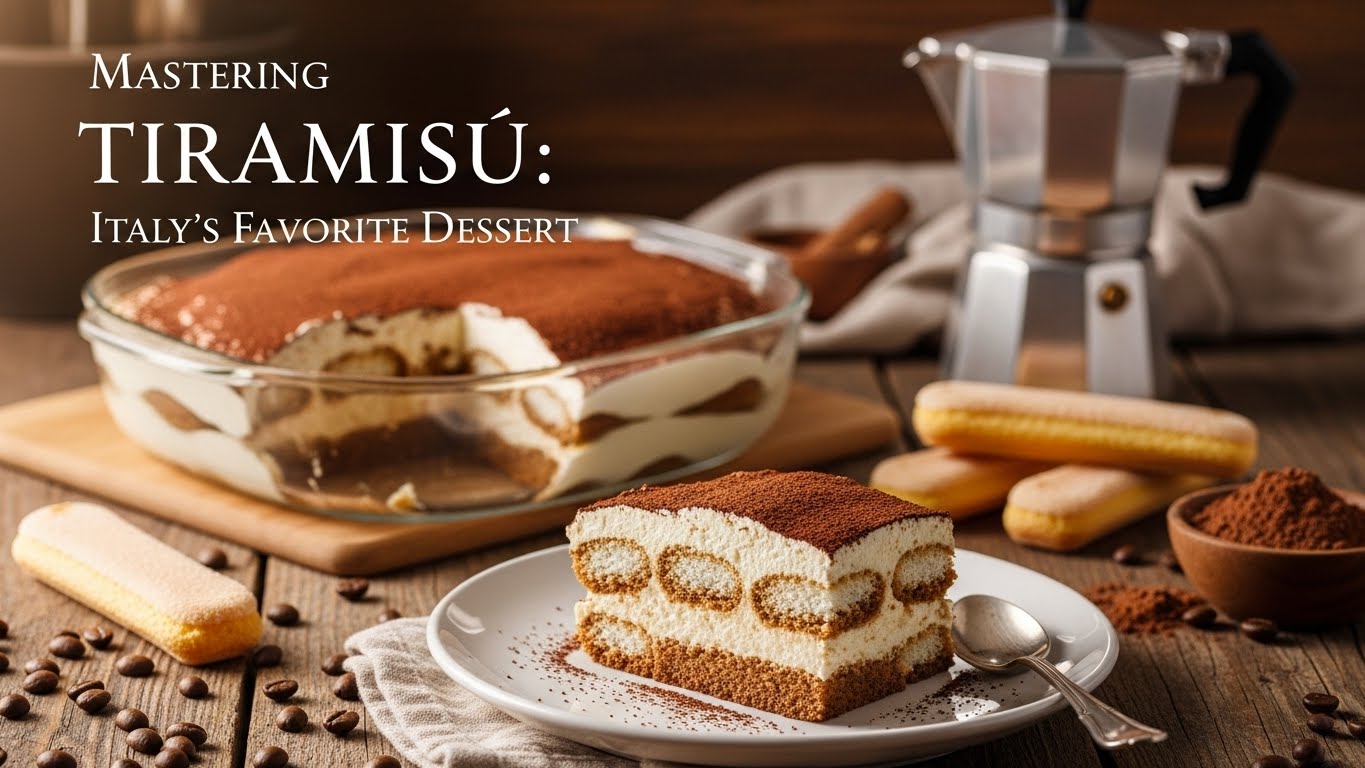
I still remember the first time I tasted real tiramisu in a tiny trattoria, layers of espresso-soaked ladyfingers giving way to the lightest mascarpone cream I had ever eaten. I went home determined to recreate it, and after many delicious trials, this is the recipe I make whenever I want a dessert that never fails to impress. Few desserts embody the elegance and comfort of Italian cuisine as perfectly as tiramisu. Its name means “pick me up” in Italian, a nod to the espresso and sugar that make it the perfect end to a meal.
Unlike many traditional desserts with centuries of history, tiramisu is relatively modern, yet it has earned its place as Italy’s most beloved sweet treat and a global icon. In this guide, we will walk through its history, the authentic recipe, popular variations, and the small details that take it from good to unforgettable. The secret is
simple: chill it for at least 6 hours, overnight if you can. If you love make-ahead desserts, my fluffy cinnamon rolls are another crowd pleaser.
Classic Authentic Italian Tiramisu
Ingredients
Equipment
Method
- Whisk egg yolks and sugar in a double boiler over simmering water until pale and thick. Remove from heat and let cool.
- Fold mascarpone cheese into the yolk mixture until smooth.
- Beat heavy cream until stiff peaks form, then gently fold it into the mascarpone mixture.
- Quickly dip each ladyfinger into cooled espresso mixed with Marsala if using. Avoid oversoaking to prevent sogginess.
- Arrange soaked ladyfingers in a dish, spread a layer of mascarpone cream on top, and repeat until the dish is full.
- Cover and refrigerate at least 4 to 6 hours, ideally overnight, for flavors to meld.
- Just before serving, generously dust the top with cocoa powder.
Notes
The History of Tiramisu
Tiramisu’s origins are the subject of debate, with multiple Italian regions claiming to have invented it.
- Veneto Region (Treviso): The most widely accepted birthplace. In the 1960s, Roberto Linguanotto, a pastry chef at Le Beccherie restaurant, is believed to have created tiramisu.
- Siena, Tuscany: Some accounts suggest tiramisu was inspired by desserts made for the Grand Duke of Tuscany in the 17th century, featuring coffee-soaked sponge and rich creams.
- Friuli Venezia Giulia: Another region that claims invention, emphasizing local variations using biscuits and cream.
What makes tiramisu fascinating is that, unlike older desserts such as cheesecake or creme brulee, it only gained popularity in the second half of the 20th century. By the 1980s and 1990s, it had become a worldwide sensation, appearing in restaurants across Europe, America, and Asia.
Key Ingredients of Authentic Tiramisu
The beauty of tiramisu lies in its reliance on few but quality ingredients. Each one plays a crucial role in creating the perfect balance of flavor and texture.
- Ladyfingers (Savoiardi): Crisp Italian biscuits that absorb espresso while maintaining structure.
- Espresso: Strong, freshly brewed coffee provides the dessert’s bold flavor.
- Mascarpone Cheese: The heart of tiramisu, giving it its creamy richness.
- Egg Yolks: Whipped with sugar to create a velvety base.
- Sugar: Sweetens the cream and balances the bitterness of coffee.
- Cocoa Powder: A dusting on top for contrast and elegance.
- Optional: Marsala wine, brandy, or rum to deepen flavor.
Classic Recipe: Authentic Italian Tiramisu
Ingredients (Serves 8 to 10)
- 6 large egg yolks
- 3/4 cup granulated sugar
- 2 cups mascarpone cheese
- 1 1/2 cups heavy cream
- 2 cups strong brewed espresso, cooled
- 2 packs (about 40) ladyfingers (savoiardi)
- 2 to 3 tbsp Marsala wine (optional)
- Unsweetened cocoa powder (for dusting)
Instructions
- Prepare the cream base: Whisk egg yolks and sugar in a double boiler over simmering water until pale and thick. Remove from heat and let cool.
- Add mascarpone: Fold mascarpone cheese into the yolk mixture until smooth.
- Whip the cream: Beat heavy cream until stiff peaks form, then gently fold it into the mascarpone mixture.
- Soak the ladyfingers: Quickly dip each ladyfinger into cooled espresso (mixed with Marsala if using). Avoid oversoaking to prevent sogginess.
- Assemble the layers: Arrange soaked ladyfingers in a dish, spread a layer of mascarpone cream on top, and repeat until the dish is full.
- Chill: Cover and refrigerate at least 4 to 6 hours, ideally overnight, for flavors to meld.
- Dust and serve: Just before serving, generously dust the top with cocoa powder. For another take on this classic, see BBC Good Food’s best ever tiramisu.
Variations of Tiramisu
While the classic recipe is cherished, tiramisu has inspired countless variations around the world:
- Fruit Tiramisu: Replaces coffee with fruit juice or puree (like strawberry or mango).
- Chocolate Tiramisu: Uses chocolate shavings or cocoa-infused cream.
- Green Tea Tiramisu: Popular in Japan, substituting matcha for coffee.
- Alcohol-Free Tiramisu: Ideal for children, using decaf coffee or milk.
- Cup Tiramisu: Served in individual cups for modern presentation.
- Frozen Tiramisu: Turned into an ice cream cake variation.
These variations highlight the dessert’s adaptability while maintaining its signature layered format.
Tips for Mastering Tiramisu
- Use fresh espresso: The quality of coffee defines the dessert.
- Do not oversoak ladyfingers: A quick dip is enough.
- Chill overnight: Patience pays off with better flavor and texture.
- Quality mascarpone is key: Substitute cream cheese only as a last resort.
- Dust before serving: Cocoa powder absorbs moisture if added too early.
Nutritional Profile (Per Serving, Approx.)
| Nutrient | Amount |
|---|---|
| Calories | 400 to 450 |
| Protein | 7 to 9g |
| Carbohydrates | 35 to 40g |
| Fat | 25 to 30g |
| Sugar | 20 to 25g |
| Caffeine | Moderate |
Tiramisu is indulgent and high in fat and sugar, but it also provides protein and energy, making it a true pick-me-up.
Cultural Significance of Tiramisu
Tiramisu is more than dessert; it is a symbol of Italian hospitality and creativity. Unlike regional desserts tied to centuries-old traditions, tiramisu reflects modern Italian innovation and adaptability.
- In Italy, tiramisu is often served at family gatherings, weddings, and festive occasions.
- Internationally, it has become a signature Italian export, found in cafes, fine-dining restaurants, and even fast-food chains.
- Its layers symbolize the layered richness of Italian culture, blending simple ingredients into something universally loved.
Today, tiramisu stands alongside pizza, pasta, and gelato as a dish that defines Italian cuisine worldwide. For a different kind of weekend baking project, try my secret to perfect Belgian waffles.
Conclusion
Tiramisu is more than a dessert; it is Italy’s gift to the sweet-toothed world. Born in the Veneto region just decades ago, it has rapidly become a global favorite. With its harmonious blend of espresso, mascarpone, and cocoa, tiramisu is indulgent yet comforting, sophisticated yet simple to make.
Mastering tiramisu means respecting its roots while embracing its flexibility. Whether you prepare the authentic recipe or experiment with fruit, chocolate, or modern twists, the essence stays the same: a dessert that brings joy, energy, and a little bit of luxury.
So the next time you dig your spoon through its creamy layers, remember you are enjoying a dessert that captured the hearts of millions in just a few decades. Now it is your turn to make it at home.
Frequently Asked Questions
Can I make tiramisu without raw eggs?
Yes. You can gently cook the yolks with sugar over a double boiler, as this recipe does, which reduces risk while keeping the creamy texture. For a fully egg-free version, whip mascarpone with sweetened whipped cream and a little vanilla instead.
Can I substitute cream cheese for mascarpone?
You can in a pinch, but the flavor and texture will be tangier and denser. For the most authentic result, use real mascarpone. If you must substitute, blend cream cheese with a little heavy cream to soften it.
How long does tiramisu last in the refrigerator?
Tiramisu keeps well for 3 to 4 days in the refrigerator when covered tightly. In fact, the flavor improves after the first day as the layers meld. Do not leave it at room temperature for more than 2 hours.
Can I freeze tiramisu?
Yes, tiramisu freezes well for up to 2 months. Wrap it tightly in plastic wrap and foil, then thaw overnight in the refrigerator. Dust with fresh cocoa powder after thawing for the best presentation.
About the Author
Luke is the home cook and writer behind Lumomint Foods. He spends his time testing comforting, practical recipes from around the world and writing them up in plain, easy language for everyday cooks.
2 thoughts on “Mastering Tiramisu”