
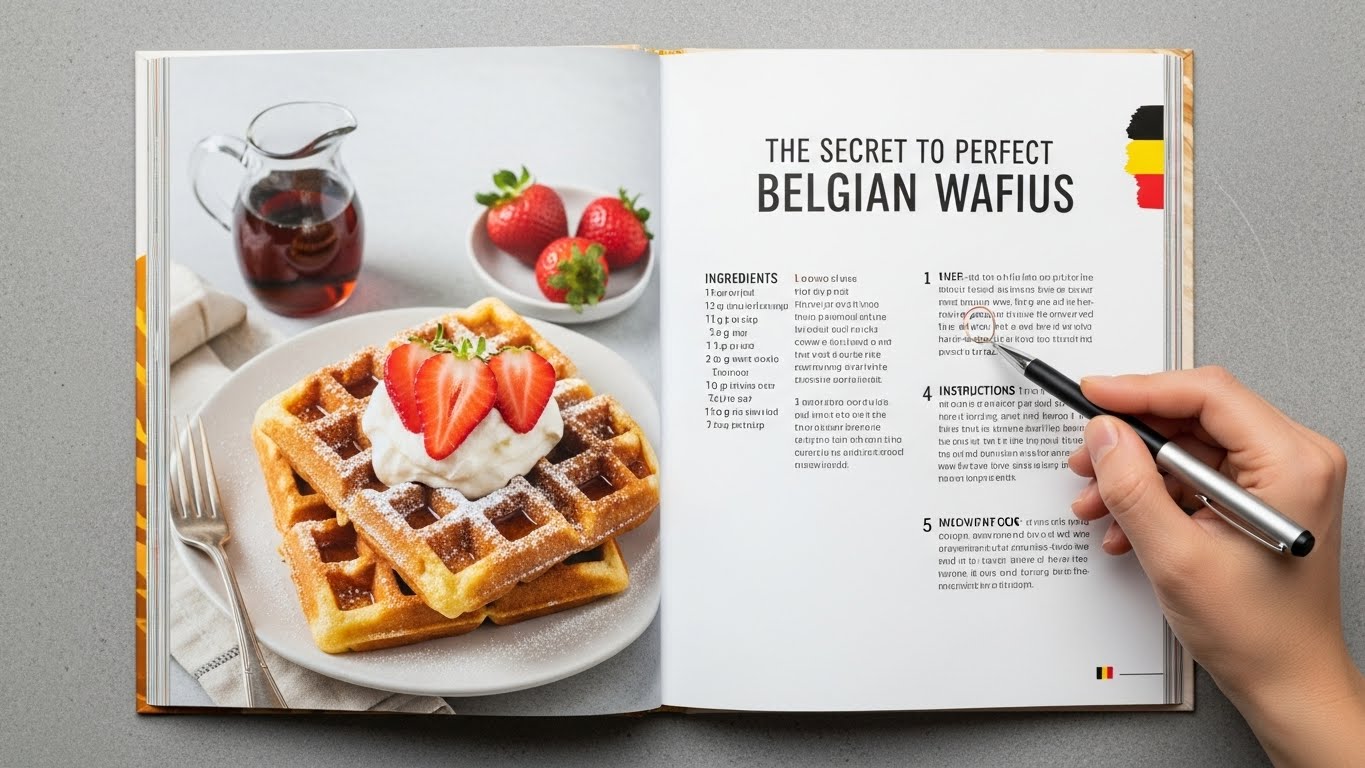
The Secret to Perfect Belgian Waffles
Introduction
Belgian waffles are one of the most beloved breakfast and dessert treats worldwide. Known for their crisp golden exterior, fluffy interior, and deep pockets perfect for holding syrup, whipped cream, and fruits, these waffles have become a culinary icon. But what makes them truly special, and how can you master the art of creating the perfect Belgian waffle at home?
In this article, we will explore the history of Belgian waffles, the key techniques and ingredients needed, common mistakes to avoid, variations to try, and finally, a step-by-step recipe. By the end, you’ll have the knowledge and confidence to create waffles that rival any restaurant or café.
The History of Belgian Waffles
The story of Belgian waffles dates back centuries. Waffles originated in Europe during the Middle Ages when they were cooked over open flames using two metal plates. These early versions were flat and more like thin wafers.
The modern Belgian waffle, however, rose to global fame after being introduced at the 1964 New York World’s Fair by Belgian chef Walter Cleyman. Unlike the denser American waffle, the Belgian version was lighter, crispier, and taller, thanks to a yeast-based or beaten-egg batter.
Since then, Belgian waffles have become a staple not only in Belgium but around the globe, often enjoyed with powdered sugar, chocolate, strawberries, or whipped cream.
What Makes Belgian Waffles Unique?
Belgian waffles stand apart from other varieties due to several characteristics:
-
Deep Pockets: Perfect for holding toppings like syrup, melted chocolate, or fruit.
-
Texture: Light and fluffy on the inside, crisp on the outside.
-
Batter: Often made with yeast or beaten egg whites for an airy rise.
-
Size: Larger and thicker than regular waffles.
These qualities combine to create the indulgent experience that makes Belgian waffles irresistible.
The Science Behind the Perfect Belgian Waffle
To achieve waffle perfection, it’s important to understand the science behind the batter and cooking process.
Key Elements:
-
Flour Type – Using all-purpose or pastry flour gives the ideal balance between structure and tenderness.
-
Leavening Agents – Yeast creates a complex flavor and fluffy rise, while baking powder offers convenience. Many recipes combine both.
-
Egg Whites – Beaten egg whites folded into the batter add lightness and volume.
-
Fat Content – Butter enriches the batter, adding flavor and crispness.
-
Sugar – Helps caramelize the outside for that golden crunch.
Opportunities and Risks in Making Belgian Waffles
Like any culinary art, waffle-making has both opportunities for creativity and risks of mistakes.
| Opportunities | Risks |
|---|---|
| Experiment with toppings (fruit, chocolate, syrups, nuts). | Overmixing batter → tough waffles. |
| Try yeast-based vs. baking powder recipes. | Not preheating the waffle iron → uneven cooking. |
| Fusion waffles (matcha, cinnamon, pumpkin spice). | Using too much batter → overflow mess. |
| Gluten-free or vegan variations for dietary needs. | Undercooking → soggy waffles. |
Graph: Crispiness vs. Cooking Time
Below is a simple representation of how cooking time affects waffle texture:
-
At 2–3 minutes, waffles may be pale and soft.
-
At 4–5 minutes, they become golden and crispy.
-
At 6+ minutes, they may over-brown or dry out.
Step-by-Step Recipe: Classic Belgian Waffles
Ingredients:
-
2 cups all-purpose flour
-
2 tbsp sugar
-
1 tbsp baking powder (or 1 tsp yeast for traditional version)
-
½ tsp salt
-
2 large eggs (separate yolks and whites)
-
1 ¾ cups milk (warm if using yeast)
-
½ cup melted butter
-
1 tsp vanilla extract
Instructions:
-
Prepare Batter
-
In a large bowl, whisk flour, sugar, baking powder (or yeast), and salt.
-
In another bowl, whisk egg yolks, milk, melted butter, and vanilla.
-
Combine wet and dry ingredients gently.
-
-
Beat Egg Whites
-
Beat egg whites until stiff peaks form.
-
Fold into the batter to keep it airy.
-
-
Preheat Waffle Iron
-
Ensure the waffle iron is fully heated for even cooking.
-
-
Cook the Waffles
-
Pour batter into the iron, close, and cook for 4–5 minutes until golden brown.
-
-
Serve with Toppings
-
Dust with powdered sugar, drizzle with syrup, or top with fruit, whipped cream, or Nutella.
-
Variations to Try
-
Chocolate Belgian Waffles – Add cocoa powder and chocolate chips.
-
Savory Belgian Waffles – Mix in cheese, herbs, or bacon.
-
Healthy Option – Use whole wheat flour and honey instead of sugar.
-
Seasonal Flavors – Pumpkin spice in autumn, lemon zest in spring.
Pro Tips for Perfect Results
-
Do not overmix the batter; lumps are fine.
-
Always grease the waffle iron lightly to prevent sticking.
-
Let yeast-based batter rest for at least 1 hour.
-
Serve immediately for best crispness (waffles lose crunch as they sit).
Belgian Waffles vs. Regular Waffles
| Feature | Belgian Waffles | Regular Waffles |
|---|---|---|
| Size | Larger, thicker | Smaller, thinner |
| Texture | Crispy outside, fluffy inside | Denser |
| Batter | Often yeast or egg whites | Usually baking powder |
| Pockets | Deep | Shallow |
Conclusion
Belgian waffles are more than just breakfast—they are a culinary masterpiece that blends tradition, science, and creativity. By understanding the history, perfecting the batter, and mastering the cooking technique, anyone can make café-quality waffles at home.
Whether you enjoy them plain with a dusting of powdered sugar, topped with fruits, or turned into a decadent dessert, Belgian waffles offer endless opportunities for personalization. The secret lies in balancing ingredients, patience in preparation, and respect for the craft.
So, the next time you crave a special breakfast or a delightful dessert, remember: with the right recipe and a little practice, the perfect Belgian waffle is just a whisk and a waffle iron away.
For another breakfast favorite, try our French Toast too.
Perfect Crispy Belgian Waffles
Ingredients
Equipment
Method
- In a large bowl, whisk together flour, sugar, baking powder, and salt. In another bowl, whisk egg yolks, milk, melted butter, and vanilla. Gently combine wet and dry ingredients until just mixed.
- Beat egg whites until stiff peaks form. Gently fold into the batter to keep it airy.
- Preheat the waffle iron until fully heated.
- Pour batter into the iron, close, and cook for 4-5 minutes until golden brown and crisp.
- Serve immediately with powdered sugar, syrup, fruit, whipped cream, or Nutella.
Frequently Asked Questions
What makes Belgian waffles different from regular waffles?
Belgian waffles are larger, thicker, and have deeper pockets than regular waffles. They are typically made with yeast or beaten egg whites for a light, airy texture that is crispy outside and fluffy inside.
Why are my waffles not crispy?
The most common causes are an underheated waffle iron, too much batter, or serving them too late. Always preheat fully and serve immediately. For more tips, see this buttermilk vanilla waffles recipe.
Can I make the batter ahead of time?
Yes, but with a caveat. Yeast-based batter benefits from resting, while baking powder batter is best used fresh. If you must prep ahead, keep the batter refrigerated and fold in beaten egg whites just before cooking. It also pairs well with fluffy pancakes for a brunch spread.
What toppings go well with Belgian waffles?
Classic choices include powdered sugar, maple syrup, fresh berries, and whipped cream. For something different, try cinnamon rolls alongside for a sweet breakfast feast, or go savory with fried chicken.
About the Author
Luke is the home cook and writer behind Lumomint Foods. He spends his time testing comforting, practical recipes from around the world and writing them up in plain, easy language for everyday cooks.
3 thoughts on “The Secret to Perfect Belgian Waffles”