Middle Eastern Hummus
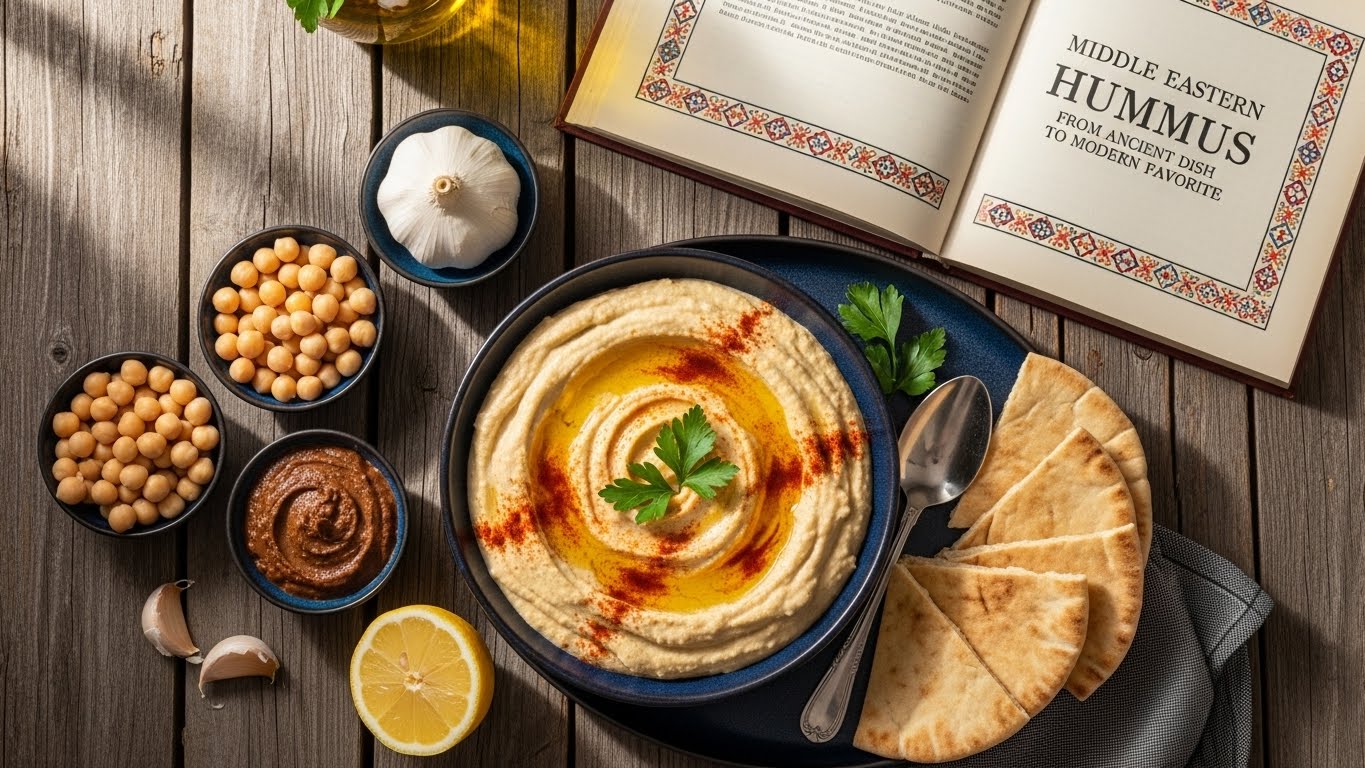
Introduction
Few dishes have achieved global popularity while maintaining deep cultural roots quite like hummus. This creamy blend of chickpeas, tahini, lemon juice, and garlic has traveled far beyond its Middle Eastern origins, now gracing tables in homes, restaurants, and supermarkets worldwide.
Hummus is more than just a dip—it’s a symbol of simplicity, nourishment, and sharing. In Middle Eastern culture, it embodies community, as it’s often enjoyed with family and friends around a shared plate. Yet in the modern world, hummus has also become a health icon, embraced by nutritionists, food lovers, and diet trends alike.
This article explores the ancient history of hummus, the secrets behind its recipe, its cultural and nutritional significance, and how it evolved into a modern global favorite.
Ancient Roots of Hummus
The exact birthplace of hummus is debated, with countries like Lebanon, Israel, Palestine, Syria, and Egypt all claiming ownership. Historical evidence suggests that hummus (or a dish very similar) was eaten as early as the 13th century in Egypt, where recipes mixing chickpeas, vinegar, and lemon appeared in Arabic cookbooks.
The word hummus itself comes from the Arabic term for chickpea, highlighting its central ingredient. Over centuries, it spread across the Levant and Mediterranean, becoming a staple of everyday meals.
In Middle Eastern culture, hummus is more than food—it is a heritage dish, passed down through generations, representing resilience, community, and identity.
What Makes Hummus Special?
Unlike many other dips and spreads, hummus is celebrated for its balance of flavor and nutrition:
-
Chickpeas provide protein, fiber, and a creamy texture.
-
Tahini (sesame seed paste) adds nutty richness.
-
Lemon juice contributes brightness and freshness.
-
Garlic enhances depth and aroma.
-
Olive oil adds smoothness and heart-healthy fats.
Together, these ingredients create a dish that is not only delicious but also highly nutritious—making hummus both a comfort food and a health food.
Nutritional Benefits of Hummus
One reason hummus has become a modern favorite is its health profile:
| Nutrient (per 100g) | Amount | Benefit |
|---|---|---|
| Calories | ~160 kcal | Moderate energy source |
| Protein | 8g | Supports muscle health |
| Fiber | 6g | Aids digestion |
| Healthy Fats | 9g | Good for heart health |
| Iron | 2.5mg | Supports blood health |
| Folate | 120mcg | Important for cell growth |
Hummus is naturally gluten-free, vegetarian, and vegan, fitting easily into various modern diets.
The Science of Perfect Hummus
Creating silky-smooth hummus may seem simple, but there’s science involved:
-
Chickpeas – The key is to cook them until soft. Some chefs peel chickpeas for extra creaminess.
-
Tahini Quality – Fresh, high-quality tahini makes a big difference in flavor.
-
Blending – Long, high-speed blending incorporates air for a lighter texture.
-
Emulsification – Lemon juice and water help bind fats (from tahini and olive oil) with starches, creating smoothness.
-
Serving – Hummus is best enjoyed fresh, garnished with olive oil, paprika, or herbs.
Opportunities and Risks in Preparing Hummus
| Opportunities | Risks |
|---|---|
| Experiment with flavors (beetroot, avocado, roasted red pepper). | Using canned chickpeas without rinsing → metallic aftertaste. |
| Healthy snacking alternative to processed dips. | Over-blending → gummy texture. |
| Fusion cuisines (hummus wraps, hummus pizza base). | Too much tahini → bitter flavor. |
| Vegan protein source in modern diets. | Insufficient seasoning → bland taste. |
Graph: Popularity of Hummus Over Time (Global Market Trend)
-
In the 1980s, hummus was largely confined to Middle Eastern households.
-
By the 2000s, it spread to Europe and North America, promoted as a healthy dip.
-
Today, hummus enjoys massive popularity worldwide, with growing demand for flavored and organic variations.
Step-by-Step Recipe: Classic Middle Eastern Hummus
Ingredients:
-
1 cup dried chickpeas (or 2 cans, drained and rinsed)
-
½ cup tahini (sesame paste)
-
3 tbsp fresh lemon juice
-
2 cloves garlic
-
4 tbsp extra-virgin olive oil (plus more for garnish)
-
½ tsp cumin (optional)
-
Salt to taste
-
Water or chickpea cooking liquid (as needed)
Instructions:
-
Prepare Chickpeas
-
Soak dried chickpeas overnight.
-
Boil until tender (about 60–90 minutes). Drain and cool.
-
-
Blend Base
-
Add chickpeas, tahini, lemon juice, garlic, cumin, and salt into a food processor.
-
-
Add Liquids
-
Slowly drizzle olive oil while blending. Add cold water until smooth.
-
-
Taste and Adjust
-
Add more lemon juice or salt if needed.
-
-
Serve
-
Spread onto a plate, drizzle with olive oil, and sprinkle paprika or parsley.
-
Serve with warm pita bread or fresh vegetables.
-
Variations of Hummus
-
Beetroot Hummus – Vibrant color and earthy flavor.
-
Avocado Hummus – Creamy fusion with guacamole.
-
Spicy Hummus – With chili or harissa.
-
Dessert Hummus – Sweetened with cocoa or cinnamon (modern twist).
Hummus in Middle Eastern Culture
Hummus holds a special place in Middle Eastern identity:
-
It is eaten for breakfast, lunch, or dinner—often as part of a mezze (shared appetizers).
-
In countries like Lebanon and Israel, hummus is a national dish, sparking friendly rivalries over who makes it best.
-
Sharing hummus is a social act, emphasizing unity and togetherness.
-
It represents hospitality, often served to guests with warm bread.
Hummus vs. Other Global Dips
| Feature | Hummus | Guacamole | Baba Ganoush |
|---|---|---|---|
| Base Ingredient | Chickpeas | Avocado | Eggplant |
| Flavor Profile | Nutty, tangy, garlicky | Creamy, citrusy | Smoky, earthy |
| Nutrition | High protein & fiber | High healthy fats | Low-calorie, fiber-rich |
| Origin | Middle East | Mexico | Middle East |
Common Mistakes and Fixes
-
Grainy texture → Chickpeas not cooked enough.
-
Too thick → Add water gradually until smooth.
-
Bitter taste → Too much tahini; balance with lemon juice.
-
Overpowering garlic → Use roasted garlic for a milder flavor.
Tips for Perfect Hummus
-
Always use fresh lemon juice for brightness.
-
Chill hummus before serving for best texture.
-
Garnish creatively: olive oil, paprika, sesame seeds, za’atar.
-
Pair with pita bread, fresh veggies, or falafel for a full meal.
Conclusion
Hummus has journeyed from an ancient Middle Eastern staple to a modern global favorite, proving that the best foods are often the simplest. Its creamy texture, balanced flavor, and nutritional value have made it a star in kitchens worldwide.
Rooted in history yet adaptable to modern tastes, hummus bridges cultures—whether enjoyed in a Lebanese mezze, an Israeli street stall, or as a healthy snack in a Western supermarket.
Ultimately, hummus is more than a dip; it is a dish of tradition, nourishment, and unity. With every scoop of warm pita, it carries centuries of culture while reminding us that good food is meant to be shared.
Silky Smooth Homemade Hummus
Ingredients
Equipment
Method
- If using dried chickpeas, soak overnight, then boil until tender (60-90 minutes). Drain and cool. If using canned, drain and rinse.
- Add chickpeas, tahini, lemon juice, garlic, cumin, and salt into a food processor.
- Slowly drizzle olive oil while blending. Add cold water until smooth.
- Taste and adjust with more lemon juice or salt if needed.
- Spread onto a plate, drizzle with olive oil, and sprinkle paprika or parsley. Serve with warm pita bread or fresh vegetables.
Frequently Asked Questions
How do you make hummus extra smooth?
Use cooked chickpeas that are very soft, blend for several minutes, and add ice water slowly while processing. For more tips on achieving a silky texture, see this extra-smooth hummus method.
Can I use canned chickpeas instead of dried?
Yes. Drain and rinse two 15-ounce cans to replace 1 cup of dried chickpeas. Canned chickpeas save time and still produce creamy hummus, especially if you simmer them briefly until very tender.
How long does homemade hummus last?
Store it in an airtight container in the refrigerator for up to 5 days. Drizzle a little olive oil on top before sealing to keep it fresh. It also pairs well with homemade falafel for a complete Middle Eastern spread.
What should I serve with hummus?
Warm pita bread, fresh vegetables, and olives are classic choices. For extra flavor, try it with garlic confit drizzled on top, or use it as a spread in wraps and sandwiches.
About the Author
Luke is the home cook and writer behind Lumomint Foods. He spends his time testing comforting, practical recipes from around the world and writing them up in plain, easy language for everyday cooks.