
Classic Chicken Soup
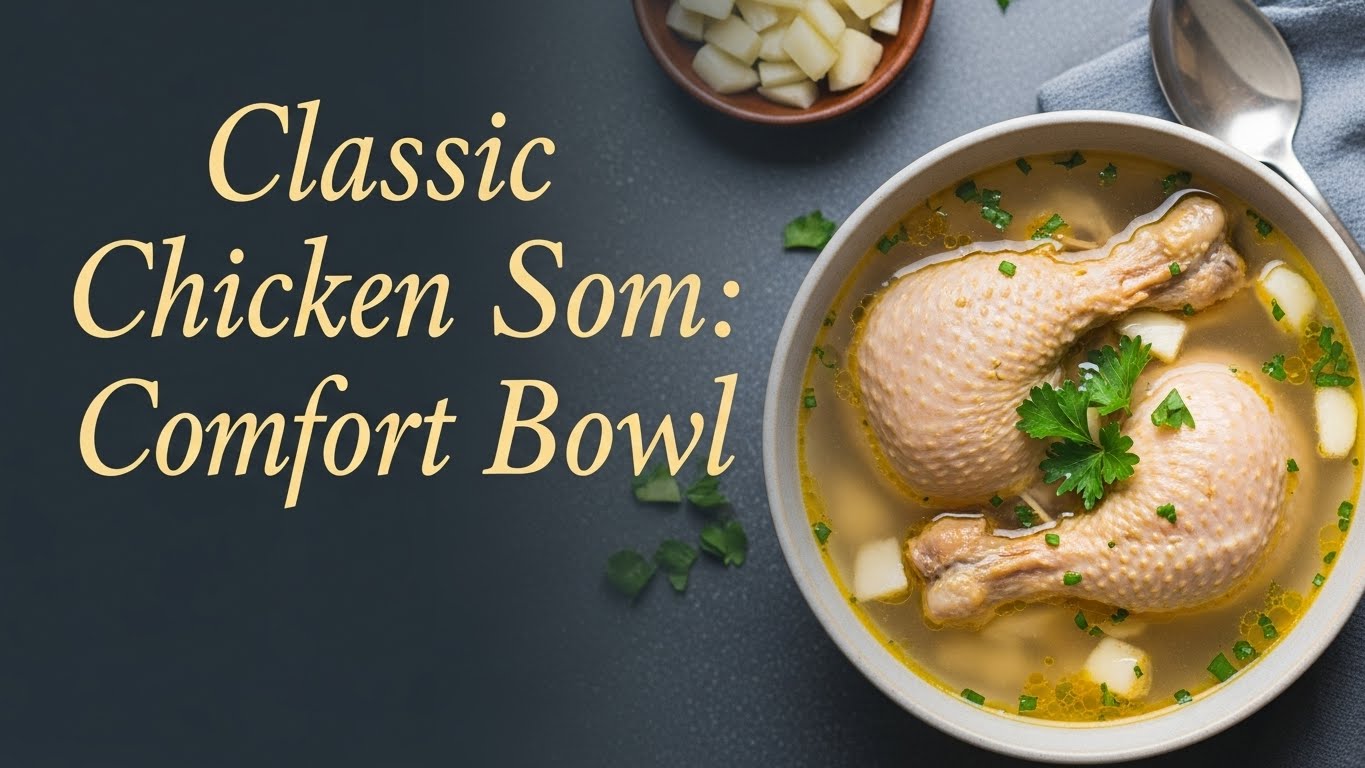
Few dishes comfort like a steaming bowl of classic chicken soup. It warms you from the inside out, and it always tastes like someone cares.
Around the world, people turn to chicken soup when they feel sick, tired, or simply in need of comfort. In America it is nicknamed Jewish penicillin. In Asia it is often brewed with ginger and healing herbs.
What makes it so timeless? Simple ingredients, slow simmering, and patience. This guide covers its history, health benefits, and my foolproof recipe for the perfect bowl. Serve it with a side of crispy onion rings for the ultimate comfort meal.
Classic Chicken Soup
Ingredients
Equipment
Method
- Place the chicken, onions, garlic, bay leaves, and peppercorns in a large pot. Cover with water and bring to a boil.
- Reduce to low heat, skim off the foam, and simmer for 1 to 1.5 hours. Remove the chicken, shred the meat, and discard the skin and bones.
- Add the carrots, celery, and herbs to the broth. Cook until tender, about 20 minutes.
- Return the shredded chicken to the pot. Add salt and adjust the seasoning.
- Garnish with fresh parsley and serve hot with noodles, rice, or bread.
Notes
A Brief History of Chicken Soup
Chicken soup has ancient roots:
- Ancient China (2000+ years ago): Used as a medicinal broth to promote wellness.
- Egyptian Era: Records show chicken broth was prescribed to treat colds and respiratory issues.
- Jewish Tradition: Chicken soup became central to Ashkenazi Jewish cuisine, often served on Shabbat and holidays.
- European Kitchens: In medieval times, chickens were more valuable for eggs, so when slaughtered, every part was used in the soup pot.
- American Homes: Immigrant families brought chicken soup recipes, adapting them with local vegetables and noodles. Campbell’s condensed chicken noodle soup (1934) made it a household staple.
Over centuries, chicken soup transitioned from medicine to comfort food, loved universally for its warmth and nourishment. For a tested take on the classic, see Serious Eats homemade chicken soup recipe.
Key Ingredients in Classic Chicken Soup
Chicken
Whole chicken, thighs, or drumsticks provide rich flavor.
Bones release collagen, which thickens and enriches the broth.
Vegetables
The “holy trinity” of soup: onion, carrots, celery.
Other add-ins: garlic, parsnips, leeks, or potatoes.
Broth Base
Slow-simmered chicken stock creates depth and richness.
Store-bought broth can be used but homemade is best.
Herbs & Spices
Classic: parsley, thyme, bay leaves, peppercorns.
Variations may include dill, ginger, or turmeric for extra health benefits.
Optional Additions
Noodles, rice, dumplings, or matzo balls add substance.
Lemon juice or vinegar brightens flavor.
Nutritional Profile of Chicken Soup
| Nutrient (per 1-cup serving) | Amount | Health Benefit |
|---|---|---|
| Calories | 150–250 | Light yet filling meal |
| Protein | 12–20g | Supports muscle repair |
| Fat | 5–12g | Provides satiety & flavor |
| Carbohydrates | 10–20g | Energy from noodles/rice |
| Sodium | 600–900mg | Can be high if using store-bought broth |
| Vitamins A, C, K | High | Boosts immunity |
| Collagen | Present (from bones) | Good for joints & skin |
👉 Adding leafy greens, garlic, or ginger boosts antioxidants and makes chicken soup an immune-boosting powerhouse
Delicious Variations
- Chicken Noodle Soup: Add egg noodles for the American classic.
- Matzo Ball Soup: Jewish tradition with fluffy dumplings.
- Avgolemono (Greek): With lemon juice and egg yolk for creamy tang.
- Thai Chicken Soup (Tom Kha Gai): Coconut milk, lemongrass, and ginger.
- Mexican Caldo de Pollo: With jalapeños, lime, and avocado garnish.
- Bone Broth Version: Simmer longer for richer collagen and nutrients.
Chicken Soup in Global Culture
United States: A symbol of care and healing; often made for the sick.
Jewish Homes: Served on Shabbat and holidays; matzo balls elevate it to festive status.
China: Known as a medicinal dish, often paired with ginseng or ginger.
Greece: Avgolemono soup is a holiday and comfort food tradition.
Latin America: Chicken soups are spiced, hearty, and often served with rice or tortillas.
Across cultures, chicken soup is not just food but a gesture of love, healing, and togetherness.
Common Mistakes and Fixes
Cloudy broth: Simmer gently, don’t boil aggressively.
Greasy texture: Skim fat regularly or refrigerate and remove solidified fat.
Bland soup: Season in layers—add herbs, salt, and pepper at different stages.
Overcooked chicken: Remove meat after 1 hour, then add back later.
Too salty: Dilute with water or unsalted broth.
Tips for the Perfect Chicken Soup
Roast chicken bones before simmering for deeper flavor.
Add a splash of lemon juice or vinegar for brightness.
Use fresh herbs at the end for aroma and freshness.
Cook pasta or rice separately to prevent sogginess.
Freeze leftovers in portions for easy reheating.
Frequently Asked Questions
How long does homemade chicken soup last in the fridge?
Homemade chicken soup keeps for 3 to 4 days in the fridge in an airtight container. Let it cool to room temperature first, then refrigerate it promptly.
Can I freeze chicken soup?
Yes, chicken soup freezes well for up to 3 months. Freeze it in portion-sized containers, leaving a little headspace for expansion. Thaw overnight in the fridge and reheat gently on the stove.
How do I get a clear, golden broth?
Keep the soup at a gentle simmer and never let it boil hard. Skim off the foam during the first 30 minutes of cooking, then strain the finished broth through a fine mesh sieve.
Can I use store-bought broth instead of homemade?
You can, but homemade broth gives a much richer flavor. If you use store-bought broth, choose a low-sodium one and simmer it with the chicken and vegetables for at least 30 minutes.
Conclusion
Chicken soup is more than a recipe; it is a symbol of comfort, healing, and tradition. From ancient remedies to modern kitchens, this timeless dish has adapted to countless cultural contexts while keeping its place as the ultimate bowl of warmth.
Perfecting chicken soup requires patience, fresh ingredients, and balance: a flavorful broth, tender chicken, and aromatic vegetables. Beyond technique, its magic lies in the emotional connection; it is often served during illness, after long days, or at family gatherings.
In every spoonful of chicken soup, we taste not just nourishment but also history, love, and comfort. And that is why it will forever remain comfort in a bowl. Finish the meal with simple desserts made from just a few ingredients. For another comforting bowl with bold flavors, try our Beef Pho too.
About the Author
Luke is the home cook and writer behind Lumomint Foods. He spends his time testing comforting, practical recipes from around the world and writing them up in plain, easy language for everyday cooks.
6 thoughts on “Classic Chicken Soup”