
Easy Homemade Dumplings Guide
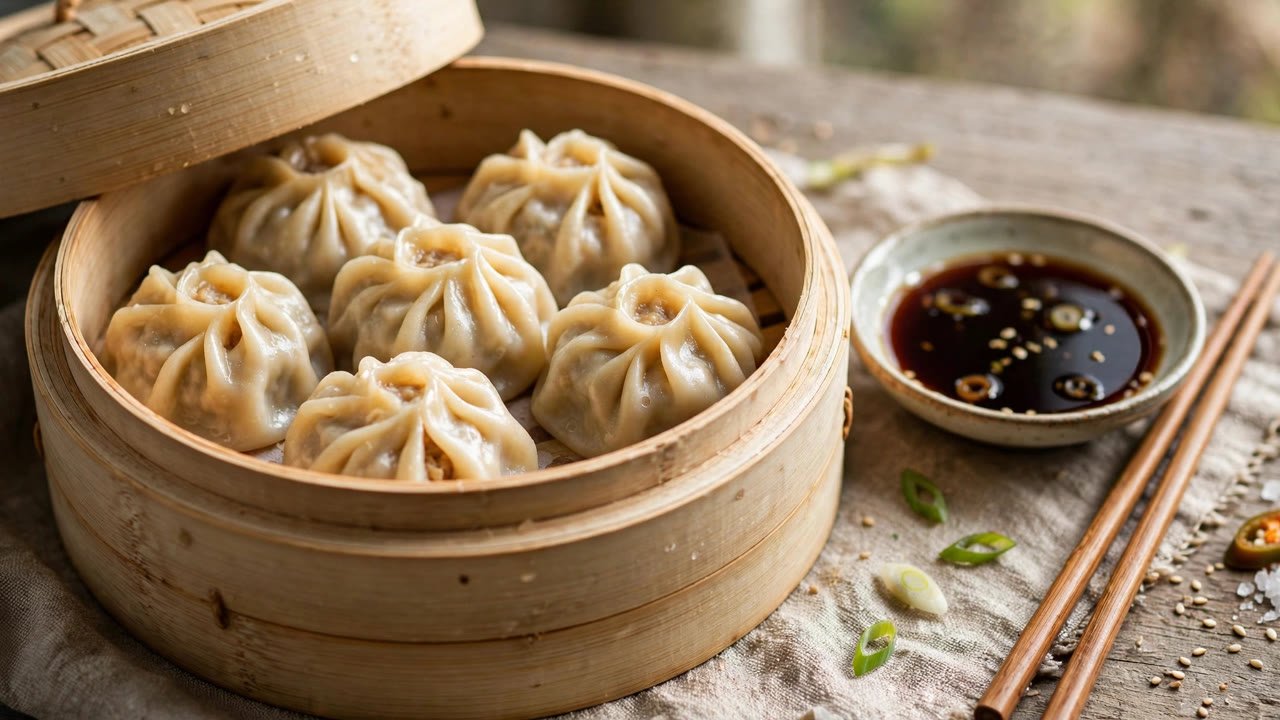
Easy Homemade Dumplings
Ingredients
Equipment
Method
- Make the dough: In a large bowl, mix flour and salt. Gradually add warm water, stirring until a shaggy dough forms. Knead on a floured surface for 8-10 minutes until smooth. Cover and rest for 30 minutes.
- Prepare the filling: Place shredded cabbage in a clean towel and squeeze out excess moisture. In a bowl, combine pork, cabbage, scallions, ginger, soy sauce, sesame oil, salt, and pepper. Mix until well combined.
- Roll the wrappers: Divide rested dough into 20 to 24 small balls. On a lightly floured surface, roll each ball into a 3-inch circle. Keep unused dough covered with a damp cloth.
- Fill and fold: Place 1 tablespoon of filling in the center of each wrapper. Fold in half and pleat the edges to seal tightly. Ensure no air is trapped inside.
- Cook the dumplings: Steam for 8 to 10 minutes, boil for 6 to 8 minutes, or pan-fry for 2 to 3 minutes until golden, then add 1/4 cup water, cover, and steam 5 minutes.
- Serve: Serve hot with soy-vinegar dipping sauce or your favorite accompaniment.
If you’ve ever dreamed of making soft, pillowy dumplings from scratch but thought it was too complicated, think again. This easy homemade dumplings guide walks you through every step, from mixing the dough to steaming or frying your first perfect batch. Whether you’re craving classic Chinese-style dumplings, comforting chicken and herb dumplings for soup, or pan-fried potstickers, this guide delivers foolproof techniques and beginner-friendly tips. No fancy equipment, no culinary school required: just simple ingredients and a little patience.
Why Homemade Dumplings Are Worth the Effort
Store-bought dumplings can’t compete with the fresh, customizable flavors of homemade versions. When you make dumplings at home, you control every ingredient—no preservatives, no mystery fillings. Plus, the process is deeply satisfying: rolling out dough, filling each wrapper with aromatic mixtures, and watching them transform in the pan or steamer.
Homemade dumplings also offer unmatched versatility. Want a vegetarian version? Swap in mushrooms and cabbage. Craving something rich and savory? Try pork and ginger. You can even freeze extras for quick weeknight meals. And let’s be honest—there’s something magical about biting into a warm, juicy dumpling you made with your own hands.
The Joy of Customization
One of the biggest advantages of homemade dumplings is the freedom to tailor flavors to your taste. Adjust the seasoning, experiment with fillings, or try different cooking methods—steam, boil, pan-fry, or deep-fry. Each technique brings out unique textures and flavors, so you’re never stuck with the same old bite.
Plus, making dumplings can be a fun, meditative activity. Many home cooks find the rhythmic motion of folding wrappers therapeutic. It’s also a great way to bond with family or friends—invite someone to help, and turn it into a shared culinary experience.
Essential Ingredients for Easy Homemade Dumplings
You don’t need a pantry full of exotic ingredients to make delicious dumplings. Most recipes rely on a few staples you probably already have. Here’s what you’ll need for both the dough and common fillings.
Dumpling Dough Basics
Traditional Chinese dumpling wrappers are made with just three ingredients: flour, water, and a pinch of salt. For homemade dough, use all-purpose flour for the best balance of elasticity and tenderness. Some recipes call for a small amount of oil or egg, but they’re optional.
| Ingredient | Amount (for 20 to 24 wrappers) |
|---|---|
| All-purpose flour | 2 cups (250g) |
| Warm water | 3/4 cup (180ml) |
| Salt | 1/2 tsp |
Mix the flour and salt in a bowl, then gradually add warm water while stirring with chopsticks or a fork. Once it forms a shaggy dough, knead by hand for 5–7 minutes until smooth and elastic. Cover with a damp cloth and let rest for 30 minutes. This resting time is crucial—it relaxes the gluten and makes the dough easier to roll.
Popular Filling Ideas
The filling is where creativity shines. While pork and chives are classic, don’t be afraid to mix it up. Here are a few crowd-pleasing combinations:
- Pork and Cabbage: Ground pork, finely shredded napa cabbage, ginger, soy sauce, and sesame oil.
- Chicken and Herb: Ground chicken, scallions, cilantro, garlic, and a touch of lemon zest.
- Vegetarian Mushroom: Chopped shiitake mushrooms, tofu, bok choy, and five-spice powder.
- Beef and Carrot: Ground beef, grated carrot, onion, and a splash of hoisin sauce.
Squeeze excess moisture from vegetables like cabbage or bok choy before mixing to prevent soggy dumplings. Season generously—remember, the filling is the heart of the dumpling.
Step-by-Step: How to Make Easy Homemade Dumplings
Now that you have your dough and filling ready, it’s time to assemble. Follow these simple steps for perfectly shaped, flavorful dumplings every time.
1. Roll Out the Dough
After resting, divide the dough into small balls (about the size of a walnut). On a lightly floured surface, flatten each ball with your palm, then use a rolling pin to roll it into a thin circle—about 3–4 inches in diameter. Aim for thinner edges and a slightly thicker center to prevent tearing during cooking.
Pro tip: Keep unused dough covered with a damp cloth to prevent drying. If the dough starts to crack, lightly moisten your fingers with water and smooth it out.
2. Add the Filling
Place about 1 tablespoon of filling in the center of each wrapper. Don’t overfill, too much filling can cause the dumplings to burst. Wet the edges of the wrapper with a fingertip dipped in water to help seal.
3. Fold and Seal
There are many ways to fold dumplings, but the pleated crescent (or “half-moon”) is the most common. Bring the edges together and pinch the center, then create small pleats along one side, pressing each fold firmly to seal. Alternatively, you can simply fold the wrapper in half and crimp the edges with a fork for a quicker seal.
For beginners, the simple “purse” fold works well: gather the edges and twist to close. As long as it’s sealed, it will cook properly—don’t stress over perfection.
Cooking Methods: Steam, Boil, Pan-Fry, or Deep-Fry?
How you cook your dumplings dramatically affects their texture and flavor. Each method has its own charm, so choose based on your mood and meal plan.
Steaming: Light and Tender
Steaming is the healthiest option and preserves the delicate texture of the dough. Use a bamboo steamer lined with parchment paper or cabbage leaves to prevent sticking. Arrange dumplings in a single layer, leaving space between them to expand.
Steam over boiling water for 8 to 10 minutes until the wrappers are translucent and the filling is cooked through. Serve immediately with a dipping sauce of soy sauce, vinegar, and chili oil.
Boiling: Classic and Comforting
Boiled dumplings, known as *jiaozi* in China, are soft and slightly chewy. Bring a large pot of water to a boil, then gently drop in the dumplings. Stir once to prevent sticking.
Cook for 6 to 8 minutes, or until they float to the surface and the filling is hot. Remove with a slotted spoon and serve in broth or with sauce.
Pan-Frying: Crispy Bottoms, Juicy Tops
Pan-fried dumplings, or potstickers, offer the best of both worlds: a crispy, golden bottom and a tender, steamed top. Heat a non-stick skillet over medium heat and add a tablespoon of oil.
Place dumplings in the pan, flat side down, and cook for 2 to 3 minutes until the bottoms are golden. Pour in 1/4 cup of water, cover immediately, and steam for 5 to 6 minutes until the water evaporates and the dumplings are cooked through. Uncover and let the bottoms crisp up for another minute.
Deep-Frying: Rich and Crispy
For a decadent treat, deep-fry dumplings until golden and crisp. Heat oil to 350°F (175°C) and fry in batches for 3–4 minutes. Drain on paper towels and serve hot.
Deep-frying is best reserved for special occasions. It’s delicious but higher in fat. Stick to steaming or pan-frying for everyday meals.
Pro Tips for Perfect Homemade Dumplings Every Time
Even with the best recipe, small details can make or break your dumplings. Keep these expert tips in mind for consistent success.
Keep Wrappers Covered
Dumpling dough dries out quickly. Always cover unused wrappers with a damp cloth or plastic wrap to prevent cracking.
Don’t Overfill
A common mistake is adding too much filling. Stick to 1 tablespoon per dumpling. This ensures even cooking and prevents bursting.
Seal Tightly
A secure seal is essential, especially for boiling or frying. If the dumpling opens during cooking, the filling will leak out. Double-check each one before cooking.
Use Fresh Ingredients
Fresh ginger, scallions, and herbs make a huge difference in flavor. Avoid pre-ground spices when possible—grate your own ginger and chop herbs just before using.
Freeze for Later
Homemade dumplings freeze beautifully. Place uncooked dumplings on a baking sheet in a single layer, freeze until solid, then transfer to a freezer bag. Cook directly from frozen—just add 1–2 minutes to the cooking time.
Serving Suggestions and Dipping Sauces
Dumplings shine when paired with the right accompaniments. A simple dipping sauce can elevate the entire experience.
Classic Soy-Vinegar Dipping Sauce
Mix 2 tablespoons soy sauce, 1 tablespoon rice vinegar, 1 teaspoon sesame oil, and a pinch of red pepper flakes. Add finely chopped scallions or garlic for extra flavor.
Spicy Chili Oil Sauce
Combine 2 tablespoons chili oil, 1 tablespoon black vinegar, 1 teaspoon sugar, and a dash of soy sauce. Perfect for those who love heat.
Garlic and Cilantro Yogurt Sauce
For a creamy twist, mix Greek yogurt with minced garlic, chopped cilantro, lemon juice, and a pinch of salt. Great with chicken or vegetable dumplings.
Serve dumplings as an appetizer, main course, or even a snack. Pair with Classic Chinese Fried Rice or homemade sushi rolls for a complete Asian-inspired meal.
Key Takeaways
- Homemade dumplings are easier than you think: just flour, water, salt, and your favorite filling.
- Resting the dough is essential for smooth, pliable wrappers.
- Don’t overfill, and always seal tightly to prevent leaks.
- Steam, boil, pan-fry, or deep-fry: each method offers a unique texture.
- Freeze uncooked dumplings for quick, homemade meals anytime.
- Pair with a flavorful dipping sauce to complete the experience.
Frequently Asked Questions
Can I use store-bought wrappers instead of making my own?
Absolutely! Pre-made dumpling wrappers are widely available in Asian grocery stores or the refrigerated section of many supermarkets. They save time and still deliver great results. Just make sure to keep them covered while working to prevent drying.
How do I prevent dumplings from sticking to the steamer?
Line your steamer with parchment paper, cabbage leaves, or a clean kitchen towel. Lightly oil the surface if needed. Avoid overcrowding—leave space between dumplings so they don’t fuse together.
Can I make dumplings ahead of time?
Yes! Assemble dumplings up to 24 hours in advance and store them in the fridge, covered with plastic wrap. For longer storage, freeze them as described earlier. Cook directly from frozen with a slight increase in cooking time.
Final Thoughts: Embrace the Dumpling Journey
Making easy homemade dumplings is more than just a cooking project. It’s a celebration of flavor, tradition, and creativity. Once you master the basics, you’ll find endless ways to adapt the recipe to your tastes and ingredients on hand.
Start simple, be patient with the folding, and don’t fear a few imperfect shapes. Every dumpling you make brings you closer to mastering this timeless dish. So roll up your sleeves, gather your ingredients, and enjoy the delicious rewards of homemade dumplings—one tender, flavorful bite at a time.
About the Author
Luke is the home cook and writer behind Lumomint Foods. He spends his time testing comforting, practical recipes from around the world and writing them up in plain, easy language for everyday cooks.
1 thought on “Easy Homemade Dumplings Guide”